Korea Plus +
Home
Community
Spotlight
Events
Guides
ActivityEat & ShopRegional GuidesAccommodationLiving guide
Korea Now
Korea Picks
Korea Plus +
HomeCommunitySpotlightEvents
Guides
ActivityEat & ShopRegional GuidesAccommodationLiving guide
Korea NowKorea Picks
Korea Plus +

Korea Plus + helps international visitors and residents find Korea news, events, travel information, history context, and community discussions in English.

Information may change, so always check official sources before booking or visiting.

Support

koreaplus.support@gmail.comTerms of ServicePrivacy PolicyAbout Us@korea.plus_official

Made by

DNA Studio

Insights by

Plugspace
PayPal QR code for supporting Korea Plus +Support Korea Plus +

© 2026 Korea Plus +. All rights reserved.

Guides

Guides

Helpful travel and culture guides for Korea.

Region

All regionsSeoulJejuBusanIncheonJeonnam-GwangjuJeollanam-do
Show all regions (13)

Category

All categoriesAccommodationCulture & MuseumsRestaurantNature & ParksCafeAttractionsNeighborhoods & StreetsHeritage & HistoryCity TourOne-Day TourRural ExperienceTheme Park Shuttle
Show fewer categories
RYSE Autograph Collection Seoul by Marriott Accommodation Guide image

RYSE Autograph Collection Seoul by Marriott Accommodation Guide

## Highlights - Located in central Seoul with easy access to Hongdae Street. - Works well with Seoul Station, Myeongdong, and Namdaemun Market day plans. - A good fit for travelers who prefer a design-forward luxury hotel. Booking link: https://affiliate.klook.com/redirect?aid=126864&aff_adid=1335963&k_site=https%3A%2F%2Fwww.klook.com%2Fko%2Fhotels%2Fdetail%2F426496-ryse-autograph-collection-seoul-by-marriott%2F%3Fcheck_in%3D2026-08-10%26check_out%3D2026-08-11%26room_num%3D1%26adult_num%3D1%26child_num%3D0

BEER UP image

BEER UP

BEER UP is a Korea Plus Eat & Shop guide for planning a useful stop in Seoul. The goal is not to repeat a short API summary, but to turn the listing into a readable visitor plan: what kind of stop it is, how it can fit into a day, and what you should confirm before going. Use this page when you need a realistic meal, cafe break, market browse, or shopping pause near your route. A good Eat & Shop plan should support the day rather than take over the whole itinerary, so this guide focuses on location, timing, expectations, backup planning, and simple decision points for international visitors. Before you go, save the name and address in a map app, check the most recent hours or last-order rules, and keep one nearby alternative ready. Menus, stock, reservations, prices, and temporary closures can change quickly, especially around weekends, holidays, weather shifts, and peak dining hours. ## Why Visit - It gives you a concrete restaurant idea in Seoul without starting from a blank map search. - It can work as a meal anchor, coffee break, dessert stop, market browse, or shopping errand between bigger sightseeing plans. - It helps you plan around real travel friction: walking distance, crowding, payment, language comfort, and whether the stop is worth the detour. - It is easier to enjoy when paired with one nearby attraction, one rest stop, and a flexible backup instead of a packed schedule. ## What To Expect Treat this as a meal or snack anchor. Check whether it is better for lunch, dinner, solo dining, groups, quick ordering, or a slower sit-down meal before building the rest of the route around it. If you are traveling with other people, agree on the purpose of the stop first. Some visitors want a photo-friendly place, some want a specific dish, some want efficient shopping, and some simply need a comfortable break. Clear expectations make the route smoother. ## Planning Notes - Save the Korean and English place name if available, plus the address. - Check current hours, last order, reservation rules, break time, and holiday closures. - Card payment is common in Korea, but small markets, pop-ups, and older vendors can vary. - Keep a translation app ready for menu questions, allergies, tax refund requests, or directions. - If the stop is crowded or closed, switch to your saved backup and keep the route simple. ## Suggested Pairing Pair BEER UP with a nearby neighborhood walk instead of crossing the city for only one stop. In Seoul, Eat & Shop plans usually work best when a cafe, restaurant, market, or shop is close to another attraction, transit hub, park, museum, or shopping street. For cafes and restaurants, leave enough time for queues, ordering, and a relaxed break. For markets and shops, allow time to browse without making the day feel rushed. Weather also matters: rainy days favor indoor cafes and malls, while clear days make markets, streets, and coastal routes easier to enjoy. ## Final Tips Keep this as a flexible stop, not a rigid appointment. Confirm the latest information, save the address, prepare a short translated request if needed, and choose one nearby backup before leaving. That small bit of planning makes Eat & Shop stops feel like a useful part of the trip rather than a stressful detour.


Seoul to Everland and Caribbean Bay Shuttle Bus Guide image

Seoul to Everland and Caribbean Bay Shuttle Bus Guide

## Highlights - Board from popular Seoul pickup points such as Myeongdong, Hongdae, and Seoul Station. - Skip complicated transfers and ride a shuttle operated by a professional driver. - A convenient round-trip option for Everland and Caribbean Bay visitors. - Rest in your seat and use the storage space for personal belongings. ## Visitor Notes Check that your theme park ticket time and shuttle schedule work together. Save the exact pickup point and departure time in advance because multiple stops are available. On holidays, school breaks, and peak travel dates, allow extra time for traffic and park entry. Booking link: https://affiliate.klook.com/redirect?aid=126864&aff_adid=1335948&k_site=https%3A%2F%2Fwww.klook.com%2Fko%2Factivity%2F14421-shuttle-bus-transfers-between-everland-carribean-bay-and-seoul

Urban Groove Hotel Busan Accommodation Guide image

Urban Groove Hotel Busan Accommodation Guide

## Highlights - Located in Busan Seomyeon, close to Lotte Department Store Busan Main Branch. - Useful for Nampho-dong, Gwangalli Beach, and Haeundae Beach routes. - Practical for travelers who want a central Busan base. Booking link: https://affiliate.klook.com/redirect?aid=126864&aff_adid=1335966&k_site=https%3A%2F%2Fwww.klook.com%2Fko%2Fhotels%2Fdetail%2F1744927-urban-groove-hotel%2F%3Fcheck_in%3D2026-08-13%26check_out%3D2026-08-14%26room_num%3D1%26adult_num%3D1%26child_num%3D0

Seoul City Tour Bus Downtown Palace Namsan Course Guide image

Seoul City Tour Bus Downtown Palace Namsan Course Guide

## Highlights - Exchange your ticket at the Gwanghwamun ticket office before boarding. - The route loops through major Seoul sights including Myeongdong, Cheong Wa Dae, Namsan, and Hanok Village. - Get off at stops you want to explore, then board the next bus later. - Depending on reservation and traffic conditions, the vehicle may be an open-top double-decker, open single-decker, or regular double-decker bus. - Outside food and drinks are not allowed inside the bus. Booking link: https://affiliate.klook.com/redirect?aid=126864&aff_adid=1335961&k_site=https%3A%2F%2Fwww.klook.com%2Fko%2Factivity%2F87163-seoul-city-tour-bus-seoul-trip-center-palaces-course-hop-on-hop-off-bus-tour-seoul

Shilla Stay Gangnam Yeoksam Accommodation Guide image

Shilla Stay Gangnam Yeoksam Accommodation Guide

## Highlights - Located in central Gangnam near Teheran-ro. - Useful for plans around Gangnam Finance Center, Seonjeongneung, and Kukkiwon. - Practical for travelers combining business, shopping, meetings, and city movement. Booking link: https://affiliate.klook.com/redirect?aid=126864&aff_adid=1335968&k_site=https%3A%2F%2Fwww.klook.com%2Fko%2Fhotels%2Fdetail%2F272575-shilla-stay-gangnam-yeoksam%2F%3Fcheck_in%3D2026-08-09%26check_out%3D2026-08-10%26room_num%3D1%26adult_num%3D1%26child_num%3D0

Busan One-Day Highlights Regional Guide image

Busan One-Day Highlights Regional Guide

## Highlights - See Busan east coast views from the beach train and sky capsule. - Travel between major stops with a tour vehicle and guide support. - Cover Busan landmarks such as Gamcheon Culture Village and Haeundae Blue Line Park in a single day. - This Regional Guides listing is intentionally duplicated with the Activity listing. Booking link: https://affiliate.klook.com/redirect?aid=126864&aff_adid=1335967&k_site=https%3A%2F%2Fwww.klook.com%2Fko%2Factivity%2F74132-busan-oneday-tour-busan

Yecheon Suspension Bridge Village image

Yecheon Suspension Bridge Village

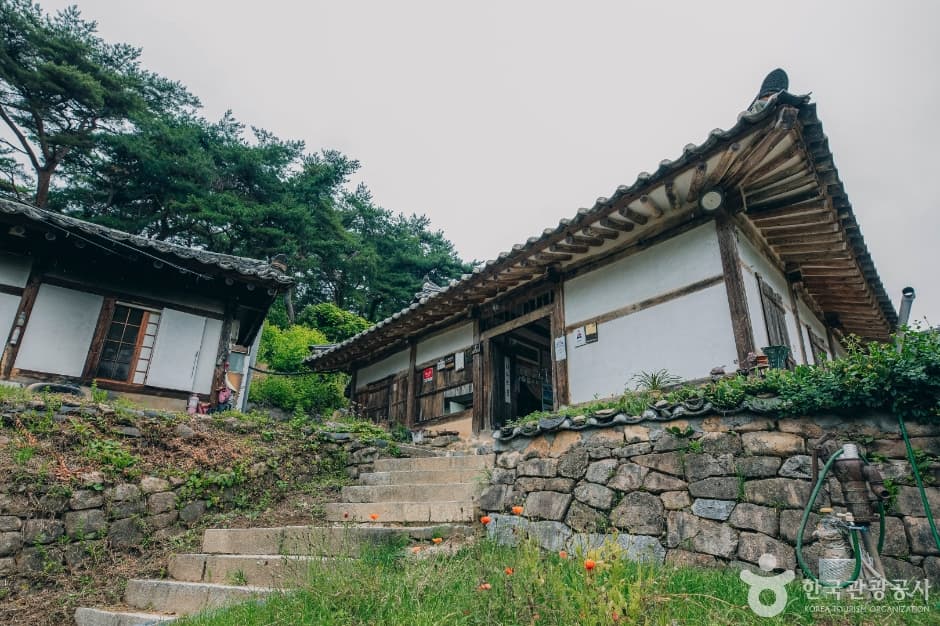
Yecheon Suspension Bridge Village offers a picturesque setting with its crystalline waters and mountainous landscapes by day, and a celestial canopy of stars by night. The village provides a range of accommodation options suitable for groups. Guests have the opportunity to delve into the rural lifestyle with hands-on experience programs in the vegetable garden, involving the preparation of dishes and syrups using the village's own freshly grown agricultural produce. For those looking to explore the vicinity, nearby attractions include Choganjeong Pavilion, Gyeongcheonho Lake, and Seoaksa Temple, each offering its unique charm and cultural insights.

Del Pino image

Del Pino

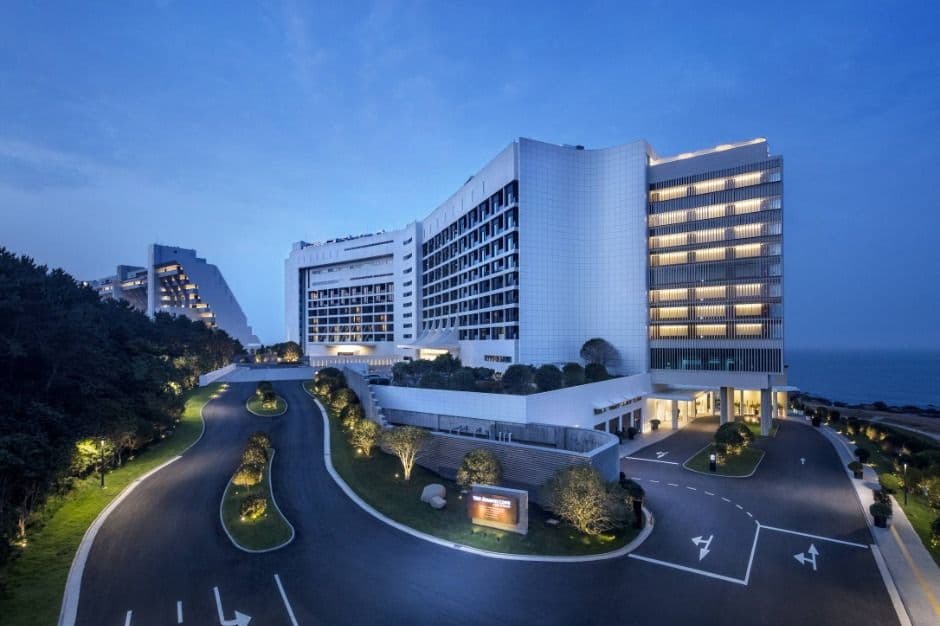
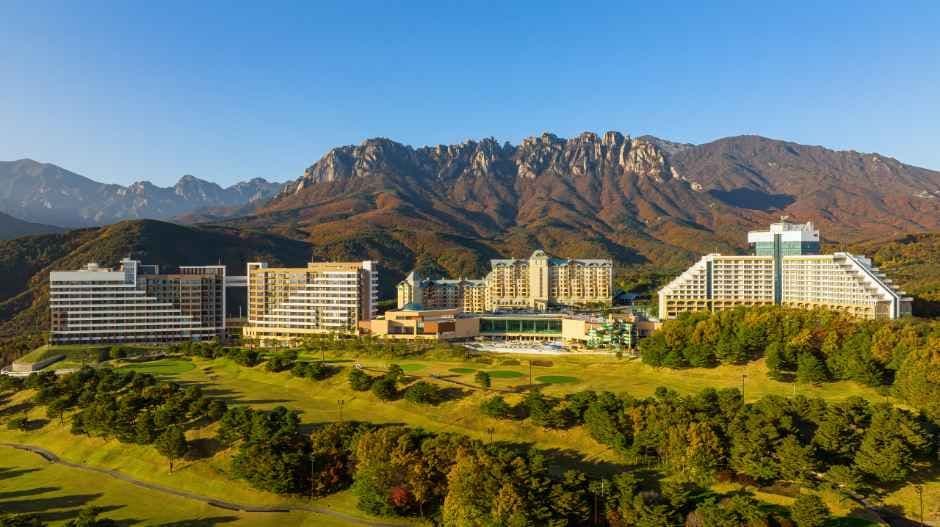
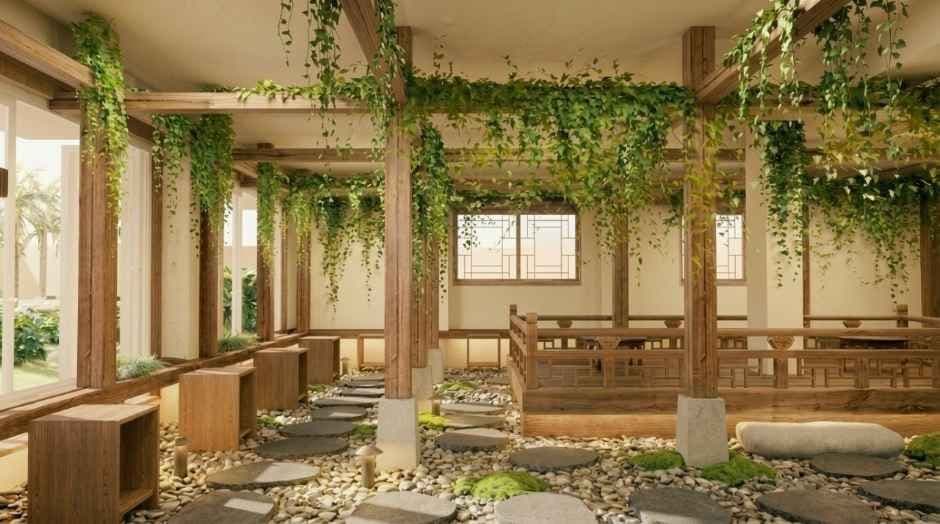
Del Pino is a resort located in Goseong-gun, Gangwon Province. It is situated in a location that is ideal for enjoying relaxation in nature, close to Seoraksan Mountain and the East Sea. In particular, the magnificent Ulsanbawi Rock can be appreciated from the guest rooms and various areas of the resort, making it a representative charm of Del Pino. All guest rooms and the Sono Felice rooftop infinity pool are supplied with hot spring water, providing a deeper relaxation and wellness experience during the stay. The complex offers a variety of room types, catering to a wide range of guests from families to couples and groups. With various facilities such as a golf course, water park, hot spring sauna, buffet and restaurant, and banquet hall, guests can enjoy a convenient stay within the resort.

Ganghwa Homie image

Ganghwa Homie

Ganghwa Homie is a storytelling bakery cafe imagined from the story of the tiger in the Dangun myth after it jumped out of the cave. It is located along the coastal road near Dongmak Beach and Ganghwa Beach. Based on the character world of Tiger Master Beom, Tiny, Minisoo, and Hipdak, it has created a cave-concept open kitchen, themed spaces, and an outdoor plaza. Centered around a grill bakery that directly bakes ingredients in a wood-fired oven to complete dishes, it offers unique signature menus such as Jjapaghetti sandwiches, pork rib sandwiches, and sirloin sandwiches, along with various bakery items and beverages. It operates a free dedicated parking lot, providing a convenient space for tourists visiting Ganghwa Island to enjoy meals and relaxation.

Arie-ne guesthouse image

Arie-ne guesthouse

Ariene Guesthouse is an integrated cultural platform located in Yangrim-dong, Nam-gu, Gwangju. The accomodation is located in the downtown area of Gwangju, making it both easily accessible and affordable. On the first basement floor, there is Yanglim Culture Hall, a lounge cafe on the first floor, and a rooftop party room on the fourth floor. The guesthouse has nine rooms on the second and third floors, including double rooms, twin rooms, ondol rooms, and separate dormitory rooms for men and women. Each room is equipped with a bathroom for guests' convenience, and breakfast is provided at no charge. A fee is charged for laundry services. There are modern cultural and historic sites nearby.

Association for Preservation of Pilbong Farmers Music of Imsil image

Association for Preservation of Pilbong Farmers Music of Imsil

Chwirakwon is a popular hanok stay operated by the Association for the Preservation of Pilbong Farmer's Music of Imsil. Chwirakwon offers rooms for two or for groups, depending on the number of guests. There are 11 guest rooms, all of which have a private bathroom with a shower. It is recommended that you check ahead of time whether cooking facilities are available in each room. At Pilbong Cultural Village, you may dine in the restaurant or rent a grill. A permanent performance is held every Thursday through Saturday under the theme of Imsil Pilbong Nongak. Nearby tourist attractions include Okjeongho Lake and the Hoemunsan National Recreational Forest.

BACKPACKERS IN YEOSU image

BACKPACKERS IN YEOSU

Backpackers in Yeosu is a guesthouse that welcomes individual, family, and group travelers with reasonable prices. It has a spacious shared kitchen, a reading room, coin laundry and dryer room, and even a pub&cafe where guests can make friends over beer. The guesthouse has a parking lot, and transport connections are good: it's not far to Yeosu Airport, Yeosu Expo Station, Yeosu Bus Terminal, and the Passenger Ship Terminal, making this a good base for exploring Yeosu, Suncheon and Jeju Island.

BREEV Gwangju by Lotte Hotel image

BREEV Gwangju by Lotte Hotel

BREEV Gwangju by Lotte Hotel is a new brand under the Lotte Hotels and Resorts family. Located at the heart of Seo-gu Sangmu District in Gwangju, it offers ultimate comfort in the middle of the city. Featuring spacious and pleasant rooms and modern interiors, the BREEV Gwangju creates a cozy and comfortable atmosphere. Convenient amenities such as supermarkets and various restaurants can be found nearby, appealing to both international tourists and business travelers. It is about a 20-minute drive from Gwangju Songjeong Station and Gwangju Airport, and is also close to Sangmu Station, making transportation convenient.

Backam Springs Hotel image

Backam Springs Hotel

Located in the Baegam Hot Springs Tourist Zone, Baegam Springs Hotel in Uljin-gun, Gyeongsangbuk-do, opened in 1930 as the Baegam Inn, but has since been expanded and developed. The nearby spring emits alkaline water at a temperature of 50 , which has health benefits for bathers. Other local attractions such as Wolsongjeong Pavilion, Manghyangjeong Pavilion, and Seongryu Cave are all 30 minutes away. Behind the hotel rises Baekamsan Mountain, with an excellent hiking course, and nearby is Shinson Valley with its ancient forest - making this a favourite base for walkers and hikers.

141MINIHOTEL image

141MINIHOTEL

The 141 Mini Hotel is in Gyeongju, Gyeongsangbuk-do - capital of the ancient Silla kingdom and often described as 'a museum without walls'. The hotel caters to both holiday and business travelers, and hotel facilities include a book cafe, gallery, board game room, and business center, so visitors enjoy hotel-level convenience at motel-level prices. Gyeongju Station and Gyeongju Express Bus Terminal are just 5 minutes and 10 minutes away respectively; while tourist sites such as Daereungwon Tomb Complex, Donggung Palace and Wolji Pond, Cheomseongdae, and Bulguksa Temple are all nearby.

3917Majung image

3917Majung

3917 Majung is a Japanese- and Western-style hanok commonly seen in the late Korean Empire period, in Naju, Jeollanam-do, which combines a cafe, cultural space and hanok stay. The 3.2 acre site contains four buildings, with a mixture of ondol rooms, tatami rooms, daecheong floors and numaru lofts. Some buildings have bathrooms installed, some share outdoor bathrooms. All four buildings are let as private houses.

ALLEY HOSTEL & GUESTHOUSE image

ALLEY HOSTEL & GUESTHOUSE

The Alley Guest House in central Gyeongju, Gyeongsangbuk-do, is a 3-minute walk from Gyeongju Station, and is popular with hikers. Guestrooms range from single and twin rooms to family rooms and dormitories with bunk beds. There's no parking lot, but parking can be arranged for family room customers. All rooms have AC, a bathroom and shower, and lockable doors. A simple free breakfast and a luggage storage service are provided. Nearby must-see places include Daereungwon, Cheomseongdae, Donggung Palace and Wolji Pond.

AT Business Hotel image

AT Business Hotel

AT Business Hotel is a business hotel located a 10-minute walk from Gyeongnam Changwon City Hall. For business travelers, the hotel provides a business zone with free access to public computers and printers, a clothing care system for preparing for important meetings, and a laundry room for those staying long term. The hotel has 26 rooms of different types, each with a simple design that stands out. With free access to Netflix and YouTube, guests can unwind and relax after a hard day's work.

Aank Air Hotel Gaebong image

Aank Air Hotel Gaebong

Aank Air Hotel Gaebong is located 2 minute's walking distance from Gaebong Station, making it a convenient location for guests who opt to use the subway for traveling in Seoul. The hotel takes cleanliness and comfort seriously, making sure the guests enjoy their experience during their stay. The hotel offers a basic standard room type for comfort and a movie room for entertainment, each carefully curated to meet guests' needs and interests.

Aank Air Hotel Gapyeong image

Aank Air Hotel Gapyeong

Aank Air Hotel Gapyeong offers offers a variety of theme-based room types tailored to every guest's needs, such as a business room, 2 PC room, movie room, lounge room, and a jacuzzi spa room. The hotel also has a parking lot, a guest lounge, and mini massager for rent.

Aank Hotel & Spa Jongno Unni Branch image

Aank Hotel & Spa Jongno Unni Branch

Aank Hotel & Spa Jongno Unni Branch embodies the warmth and charms of Korea. Guests are welcome to unwind with diverse room options to choose from such as the msuic room, signature spa room, desktop 2-PC room, and standard room. It's location in the heart of Seoul makes it a great place for tourists as well as well.

Aank Hotel & Spa Pyeongtaek image

Aank Hotel & Spa Pyeongtaek

Aank Hotel & Spa Pyeongtaek is where diverse culture coexist within Korea's welcoming atmosphere. The rooms are kept tidy and clean at all times, and available room types include a music room, signature spa room, and sauna room where guests can unwind and recharge.

Aank Hotel Yeongdeungpo image

Aank Hotel Yeongdeungpo

Located within 5 minute's walking distance from Yeongdeungpo Station, Aank Hotel Yeongdeungpo has major attractions like Times Square and Yeongdeungpo Market in the vicnity. The hotel lobby has a coffee machine, ice dispenser, and water dispenser for guests' convenience. Equipped with a variety of room types, guests can enjoy both comfort and entertainment at Aank Hotel Yeongdeungpo.

Almecsresort image

Almecsresort

Almex Land is a camping and resort complex overlooking the Imjin River in Yeoncheon-gun, Gyeonggi-do. The resort offers a family room accommodating up to eight people; a panorama room with a 180-degree view over the Imjin River; and two connecting rooms designed for large groups. Breakfast needs to be booked ahead, and is charged for. Resort leisure facilities include a 7 kilometre train ride round the forest, a swimming pool in summer, a sledding slope in winter, a kids' cafe, and a woodland trail.

Almond Hotel image

Almond Hotel

A five-minute walk from Busan Station and 1 km from the Busan Port Passenger Terminal, Hotel Almond is highly convenient for public transport and particularly popular with business travelers. Its spacious guestrooms are divided into ondol type and bedroom type rooms, and most of them come with a large bathtub. The hotel provies photocopying, printing, faxing and luggage storage services. Nearby tourist attractions include Choryangibagu-gil, Yongdusan Park, Bosu-dong Bookstore Alley, and Jagalchi Market.

An dong gotak Esanru image

An dong gotak Esanru

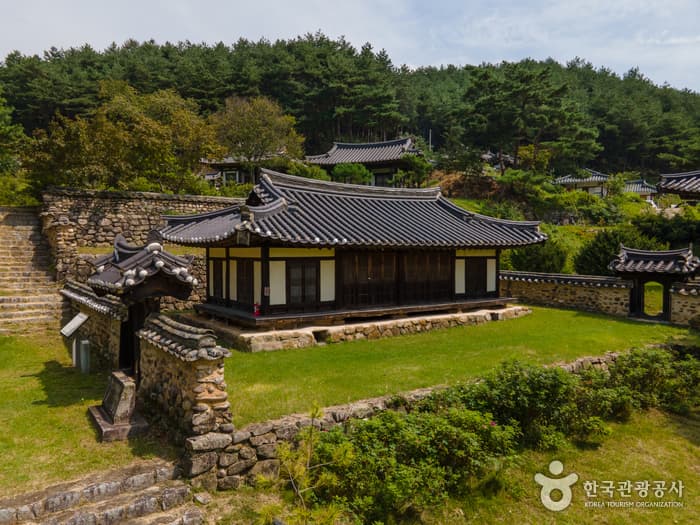
Andong Old House Lee Sangnu stands at the foot of Cheondeungsan Mountain in Andong, Gyeongsangbuk-do. The house has a 250-year history and is still used for family rituals commemorating the founder of the Andong Kim Clan. Lee Sangnu is a dignified two-story wooden pavilion with an attic, while at Yisangru visitors can set a fire in the fire pit in the winter or sleep in a tent or mosquito net in the summer. Cultural programs are available: tea ceremonies, knot craft, the mask dance, natural dyeing, Korean paper craft, and learning about filial piety. The Old House's location between Andong Hahoe Village and Dosan Seowon makes it convenient for local site-seeing.

Ananti at Busan Cove image

Ananti at Busan Cove

Located in Gijang, Busan, Ananti at Busan Cove is a premium resort offering a perfect urban retreat with stunning ocean and mountain views. Situated within the Osiria Tourism Complex, it provides convenient access to major attractions such as Haeundae and Centum City. The property features private balcony rooms, diverse dining options including live cooking restaurants and afternoon tea lounges, as well as extensive leisure facilities such as infinity pools, a fitness center, and the Ananti Water House. Guests can also enjoy cultural experiences at Eternal Journey and scenic coastal walks with retail shops and caf s nearby. Closed on the third Tuesday of every month.

Andong Gunja Village image

Andong Gunja Village

Andong Gunja Village, established 600 years ago, was relocated 2 kilometers from its original site due to submergence during the construction of Andong Dam. The village's tradtional houses and pavilions were meticulously moved to preserve their historic value. Known as Gunja Village, it derives its name from a remark by the Joseon-era civil servant Jeong Gu, who noted, "There is no one in the village who is not a Gunja ". The village is home to over 20 ancient houses, including the Hujodang Head House and Takcheongjeong Pavilion, maintained in their original state. Moreover, the village archives over 1,000 documents detailing adoption, property ownership, and labor distribution.

BROOK5 image

BROOK5

Located at the foot of Kalbong Mountain in Gapyeong, BROOK5 is a large-scale pension that offers 20 different room types, including pool villas, kid-friendly rooms, and standard guest rooms. There are five pool villas, and two kid-friendly rooms with an indoor jungle gym, baby bathtub, milk bottle sterilizer, and potty training seats. Each room has a kitchen and barbecue area. Only some of the guest rooms have whirlpool bathtubs, so make sure to check the availability in advance. There is a heated swimming pool for children and adults available all year round, a cafe next to the pool, and Dumilcheon Steam right in front of the pool, which is a great place to swim in the summer.

The Stay Hotel Myeongdong image

The Stay Hotel Myeongdong

The Stay Hotel Myeongdong is an accommodation option in Myeongdong, Seoul. Korea Plus rewrites the Klook hotel information into a planning-friendly guide instead of leaving it as a short API-style summary. The source listing places the property at 31 Myeongdong 8ga-gil, with 35 and access notes around Myeong-dong Station 100m; Seoul Station 1.6km. This makes it useful when you want a real hotel page to compare by location, room scale, facilities, and nearby movement rather than only by price. ## Why Stay - Location fit: Prime Myeongdong base near subway, airport bus, shopping, dining, night market, and Myeongdong Cathedral. - Facilities noted by Klook: WiFi, luggage storage - Nearby reference points: Myeong-dong Station, Seoul Station, Gimpo International Airport - Traveler signal: Family-friendly notes, good location, view, and friendly staff appear on Klook. ## Location Notes Myeong-dong Station 100m; Seoul Station 1.6km is the main movement reference from the Klook page. Use it as a starting point, then check your own route for airport arrival time, luggage, transfer count, and late-night return plans. In Korea, a hotel that is close to the right subway station or airport route can be more useful than a hotel that is only close to one attraction. ## Booking Notes After 15:00 / before 11:00. Klook policies can vary by room type, date, guest count, age rule, breakfast option, and payment method. Confirm the current cancellation rules, deposits, breakfast fees, parking, child policy, and check-in instructions before booking. ## Good to Know Save the hotel name, address, and booking page before you travel. If you arrive early or late, message or call the property through the booking channel. For a smoother trip, compare this stay with one backup in the same district and one backup near your arrival station or airport route.

Ocean Suites Jeju Hotel image

Ocean Suites Jeju Hotel

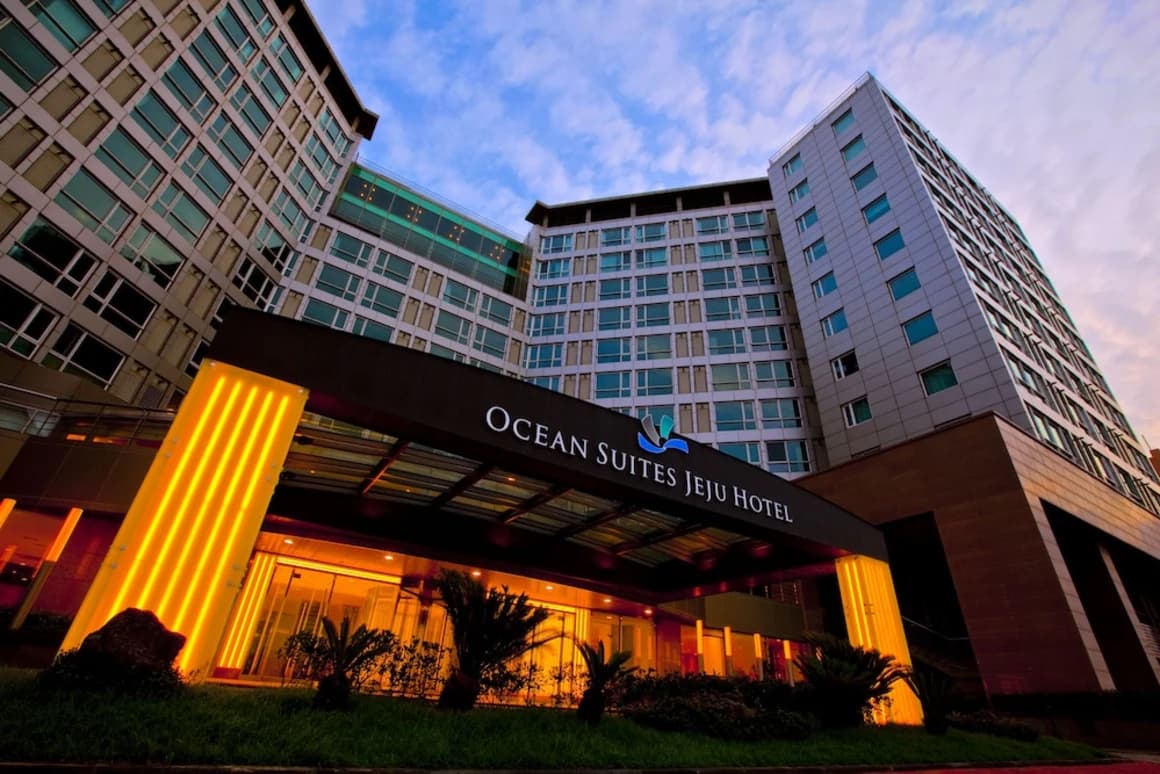
Ocean Suites Jeju Hotel is an accommodation option in Jeju City, Jeju. Korea Plus rewrites the Klook hotel information into a planning-friendly guide instead of leaving it as a short API-style summary. The source listing places the property at 74 Tapdonghaean-ro, with 350 and access notes around Jeju International Airport and central Jeju access. This makes it useful when you want a real hotel page to compare by location, room scale, facilities, and nearby movement rather than only by price. ## Why Stay - Location fit: Oceanfront Jeju City option close to airport, Dongmun Market, Black Pork Street, shopping, eateries, and bus access. - Facilities noted by Klook: Restaurant, free WiFi, fitness center, 24-hour front desk, luggage storage, business center - Nearby reference points: Tapdong Beach Plaza, Dongmun Market, Black Pork Street, airport route - Traveler signal: Klook highlights shuttle service, location, view, staff, dining, and a large review base. ## Location Notes Jeju International Airport and central Jeju access is the main movement reference from the Klook page. Use it as a starting point, then check your own route for airport arrival time, luggage, transfer count, and late-night return plans. In Korea, a hotel that is close to the right subway station or airport route can be more useful than a hotel that is only close to one attraction. ## Booking Notes Check Klook for current room and policy details. Klook policies can vary by room type, date, guest count, age rule, breakfast option, and payment method. Confirm the current cancellation rules, deposits, breakfast fees, parking, child policy, and check-in instructions before booking. ## Good to Know Save the hotel name, address, and booking page before you travel. If you arrive early or late, message or call the property through the booking channel. For a smoother trip, compare this stay with one backup in the same district and one backup near your arrival station or airport route.

Hotel Thomas Myeongdong image

Hotel Thomas Myeongdong

Hotel Thomas Myeongdong is an accommodation option in Myeongdong / City Hall, Seoul. Korea Plus rewrites the Klook hotel information into a planning-friendly guide instead of leaving it as a short API-style summary. The source listing places the property at 26 Sejong-daero 16-gil, Jung-gu, with 123 and access notes around City Hall 200m; Seoul Station 1.2km. This makes it useful when you want a real hotel page to compare by location, room scale, facilities, and nearby movement rather than only by price. ## Why Stay - Location fit: Central location near City Hall Station, Myeongdong Street, Namdaemun Market, airport bus stops, restaurants, and convenience stores. - Facilities noted by Klook: Restaurant, free WiFi, fitness center, 24-hour front desk, luggage storage, business center - Nearby reference points: City Hall, Seoul Station, Gyeongbokgung Palace, Namdaemun Market - Traveler signal: Klook reviews note location, spacious rooms, comfortable beds, helpful multilingual staff, and dining. ## Location Notes City Hall 200m; Seoul Station 1.2km is the main movement reference from the Klook page. Use it as a starting point, then check your own route for airport arrival time, luggage, transfer count, and late-night return plans. In Korea, a hotel that is close to the right subway station or airport route can be more useful than a hotel that is only close to one attraction. ## Booking Notes After 15:00 to before 03:00 / before 12:00. Klook policies can vary by room type, date, guest count, age rule, breakfast option, and payment method. Confirm the current cancellation rules, deposits, breakfast fees, parking, child policy, and check-in instructions before booking. ## Good to Know Save the hotel name, address, and booking page before you travel. If you arrive early or late, message or call the property through the booking channel. For a smoother trip, compare this stay with one backup in the same district and one backup near your arrival station or airport route.

New Jeju Hotel image

New Jeju Hotel

New Jeju Hotel is an accommodation option in Nohyeong-dong, Jeju. Korea Plus rewrites the Klook hotel information into a planning-friendly guide instead of leaving it as a short API-style summary. The source listing places the property at 2 Wonnohyeong 6-gil, with 40 and access notes around Jeju International Airport 3.1km. This makes it useful when you want a real hotel page to compare by location, room scale, facilities, and nearby movement rather than only by price. ## Why Stay - Location fit: Recently renovated Jeju City hotel near dining, transport, Tapdong Beach Plaza, Dongmun Market, and Cheju Halla General Hospital. - Facilities noted by Klook: Free WiFi, 24-hour front desk, parking, elevator - Nearby reference points: Jeju International Airport, Jjimjil Spa, BVLGARI, Yongduam - Traveler signal: Klook reviews mention clean rooms, friendly staff, value, ondol heating, and spacious rooms. ## Location Notes Jeju International Airport 3.1km is the main movement reference from the Klook page. Use it as a starting point, then check your own route for airport arrival time, luggage, transfer count, and late-night return plans. In Korea, a hotel that is close to the right subway station or airport route can be more useful than a hotel that is only close to one attraction. ## Booking Notes After 14:00 to before 01:00 / before 11:00. Klook policies can vary by room type, date, guest count, age rule, breakfast option, and payment method. Confirm the current cancellation rules, deposits, breakfast fees, parking, child policy, and check-in instructions before booking. ## Good to Know Save the hotel name, address, and booking page before you travel. If you arrive early or late, message or call the property through the booking channel. For a smoother trip, compare this stay with one backup in the same district and one backup near your arrival station or airport route.

Pacific Hotel image

Pacific Hotel

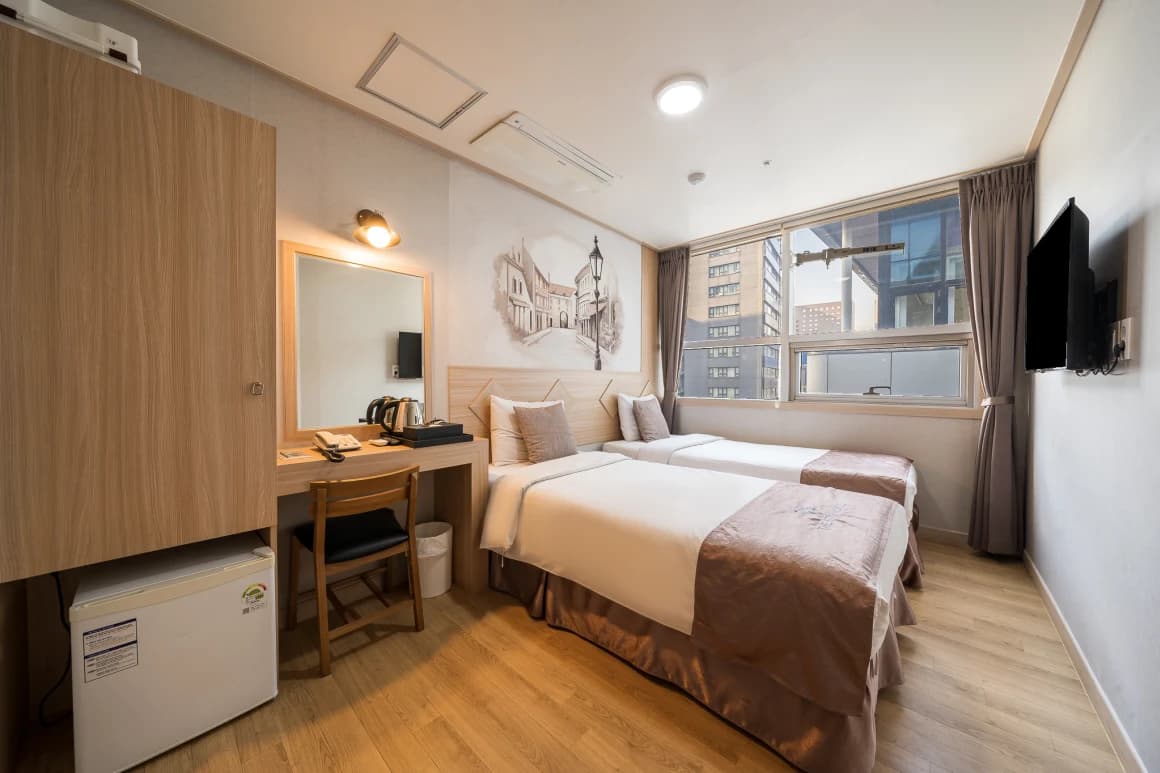
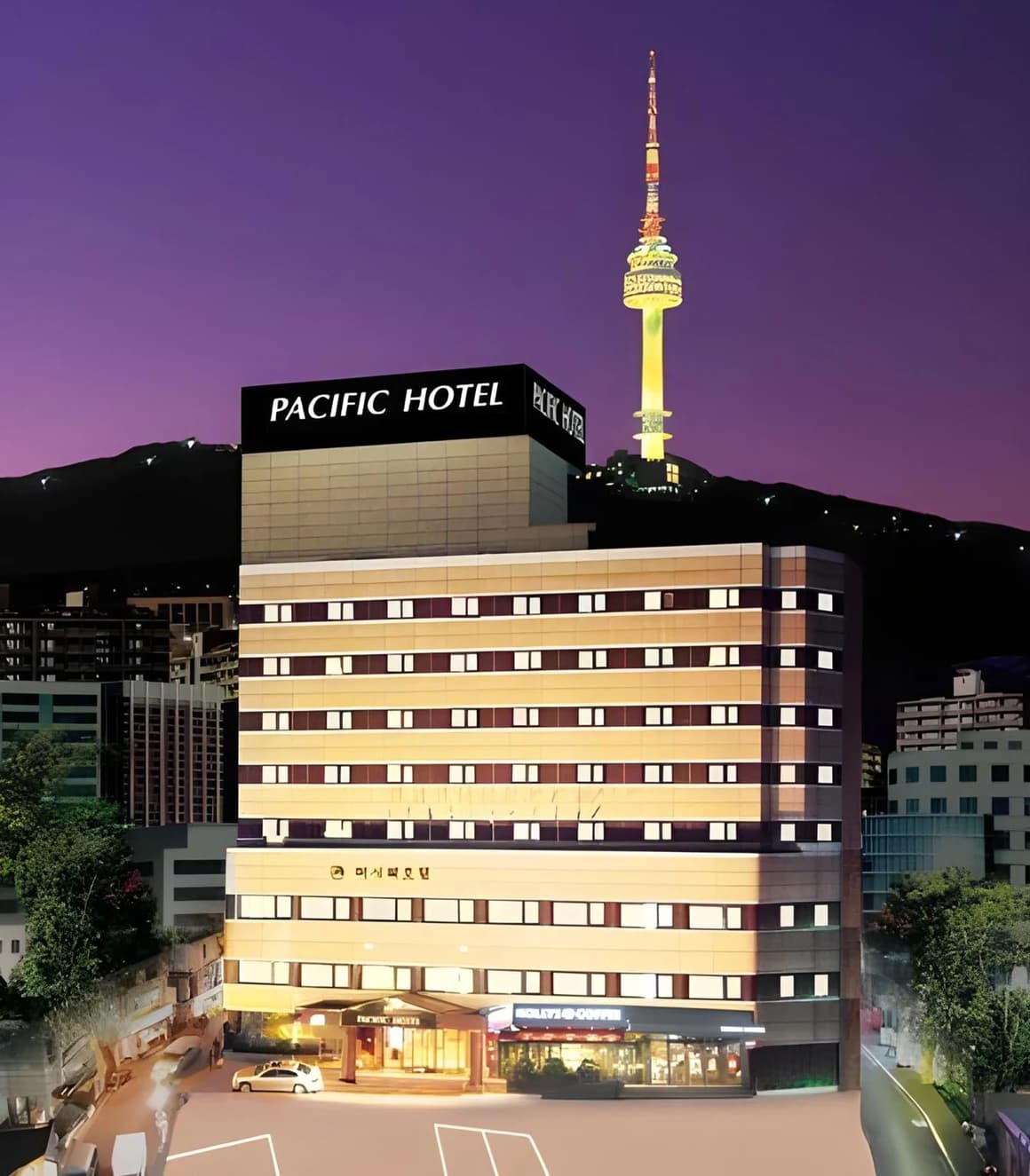
Pacific Hotel is an accommodation option in Myeongdong, Seoul. Korea Plus rewrites the Klook hotel information into a planning-friendly guide instead of leaving it as a short API-style summary. The source listing places the property at 2 Toegye-ro 20-gil, Jung-gu, with 181 and access notes around Myeong-dong Station 200m; Seoul Station 1.5km. This makes it useful when you want a real hotel page to compare by location, room scale, facilities, and nearby movement rather than only by price. ## Why Stay - Location fit: Myeongdong stay on a quieter street, near station exits, airport bus, shopping, dining, night market, and Namsan trail. - Facilities noted by Klook: Restaurant, free WiFi, 24-hour front desk, luggage storage, business center - Nearby reference points: Myeong-dong, Namsan Mountain Park, Namdaemun Market, Lotte Department Store - Traveler signal: Klook reviews note clean spacious rooms, views, multilingual staff, GS25, and Hollys Coffee convenience. ## Location Notes Myeong-dong Station 200m; Seoul Station 1.5km is the main movement reference from the Klook page. Use it as a starting point, then check your own route for airport arrival time, luggage, transfer count, and late-night return plans. In Korea, a hotel that is close to the right subway station or airport route can be more useful than a hotel that is only close to one attraction. ## Booking Notes After 15:00 / before 12:00. Klook policies can vary by room type, date, guest count, age rule, breakfast option, and payment method. Confirm the current cancellation rules, deposits, breakfast fees, parking, child policy, and check-in instructions before booking. ## Good to Know Save the hotel name, address, and booking page before you travel. If you arrive early or late, message or call the property through the booking channel. For a smoother trip, compare this stay with one backup in the same district and one backup near your arrival station or airport route.

L'Escape, a Luxury Collection Hotel, Seoul Myeongdong image

L'Escape, a Luxury Collection Hotel, Seoul Myeongdong

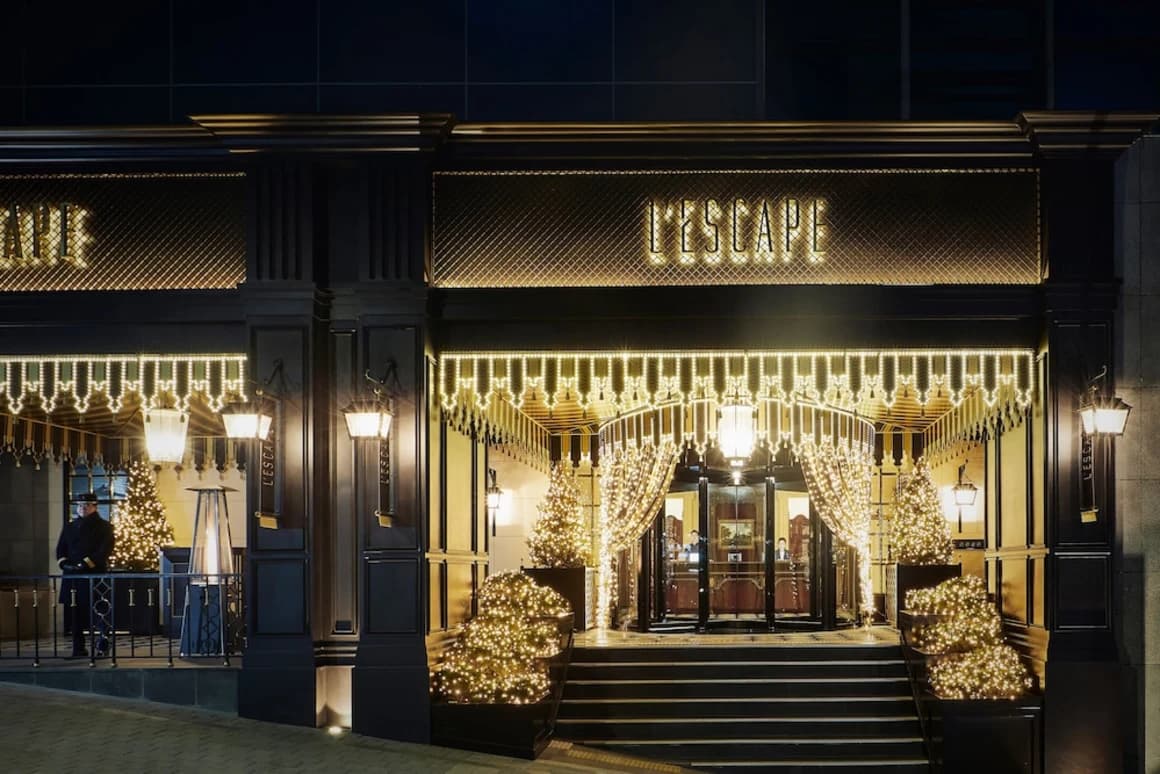
L'Escape, a Luxury Collection Hotel, Seoul Myeongdong is an accommodation option in Myeongdong / Namdaemun, Seoul. Korea Plus rewrites the Klook hotel information into a planning-friendly guide instead of leaving it as a short API-style summary. The source listing places the property at 67 Toegye-ro, Jung-gu, with 204 and access notes around Hoehyeon Station 300m; Seoul Station 1.0km. This makes it useful when you want a real hotel page to compare by location, room scale, facilities, and nearby movement rather than only by price. ## Why Stay - Location fit: Luxury Myeongdong/Namdaemun stay near Hoehyeon Station, shopping, dining, markets, Namsan Mountain Park, and N Seoul Tower. - Facilities noted by Klook: Restaurant, free WiFi, fitness center, spa, 24-hour front desk, luggage storage - Nearby reference points: Namdaemun Market, Myeongdong Street, Namsan Mountain Park, N Seoul Tower - Traveler signal: Klook reviews mention spacious designed rooms, staff, breakfast, cleanliness, and location. ## Location Notes Hoehyeon Station 300m; Seoul Station 1.0km is the main movement reference from the Klook page. Use it as a starting point, then check your own route for airport arrival time, luggage, transfer count, and late-night return plans. In Korea, a hotel that is close to the right subway station or airport route can be more useful than a hotel that is only close to one attraction. ## Booking Notes Check Klook for current room and policy details. Klook policies can vary by room type, date, guest count, age rule, breakfast option, and payment method. Confirm the current cancellation rules, deposits, breakfast fees, parking, child policy, and check-in instructions before booking. ## Good to Know Save the hotel name, address, and booking page before you travel. If you arrive early or late, message or call the property through the booking channel. For a smoother trip, compare this stay with one backup in the same district and one backup near your arrival station or airport route.

Stay Hotel Gangnam image

Stay Hotel Gangnam

Stay Hotel Gangnam is an accommodation option in Gangnam / Yeoksam, Seoul. Korea Plus rewrites the Klook hotel information into a planning-friendly guide instead of leaving it as a short API-style summary. The source listing places the property at 15-4 Nonhyeon-ro 87-gil, Gangnam-gu, with 52 and access notes around Yeoksam Station 300m; Suseo Station 5.7km. This makes it useful when you want a real hotel page to compare by location, room scale, facilities, and nearby movement rather than only by price. ## Why Stay - Location fit: Gangnam/Yeoksam stay near subway, airport bus, restaurants, convenience stores, and a calm safer-feeling area. - Facilities noted by Klook: Free WiFi, 24-hour front desk, luggage storage, business center - Nearby reference points: Yeoksam Station, Gangnam Finance Center, Teheranno, COEX-area by car - Traveler signal: Klook reviews mention excellent location, clean comfortable rooms, helpful staff, and comfortable beds. ## Location Notes Yeoksam Station 300m; Suseo Station 5.7km is the main movement reference from the Klook page. Use it as a starting point, then check your own route for airport arrival time, luggage, transfer count, and late-night return plans. In Korea, a hotel that is close to the right subway station or airport route can be more useful than a hotel that is only close to one attraction. ## Booking Notes After 15:00 to before 05:00 / before 12:00. Klook policies can vary by room type, date, guest count, age rule, breakfast option, and payment method. Confirm the current cancellation rules, deposits, breakfast fees, parking, child policy, and check-in instructions before booking. ## Good to Know Save the hotel name, address, and booking page before you travel. If you arrive early or late, message or call the property through the booking channel. For a smoother trip, compare this stay with one backup in the same district and one backup near your arrival station or airport route.

Yejeon image

Yejeon

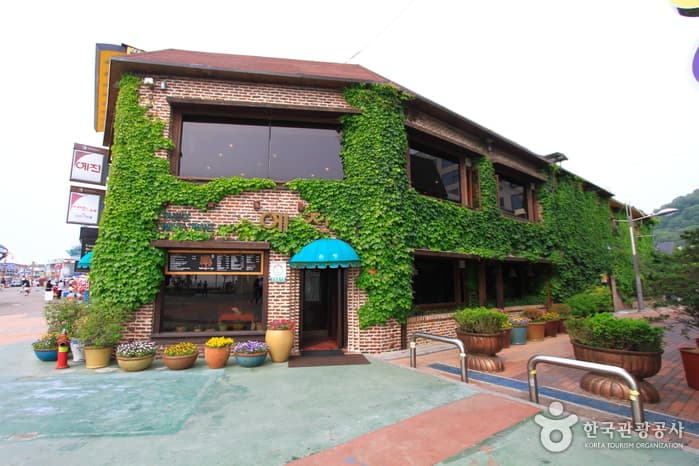
Yejeon is a Korea Plus Eat & Shop guide for planning a useful stop in Incheon. The goal is not to repeat a short API summary, but to turn the listing into a readable visitor plan: what kind of stop it is, how it can fit into a day, and what you should confirm before going. Use this page when you need a realistic meal, cafe break, market browse, or shopping pause near your route. A good Eat & Shop plan should support the day rather than take over the whole itinerary, so this guide focuses on location, timing, expectations, backup planning, and simple decision points for international visitors. Before you go, save the name and address in a map app, check the most recent hours or last-order rules, and keep one nearby alternative ready. Menus, stock, reservations, prices, and temporary closures can change quickly, especially around weekends, holidays, weather shifts, and peak dining hours. ## Why Visit - It gives you a concrete restaurant idea in Incheon without starting from a blank map search. - It can work as a meal anchor, coffee break, dessert stop, market browse, or shopping errand between bigger sightseeing plans. - It helps you plan around real travel friction: walking distance, crowding, payment, language comfort, and whether the stop is worth the detour. - It is easier to enjoy when paired with one nearby attraction, one rest stop, and a flexible backup instead of a packed schedule. ## What To Expect Treat this as a meal or snack anchor. Check whether it is better for lunch, dinner, solo dining, groups, quick ordering, or a slower sit-down meal before building the rest of the route around it. If you are traveling with other people, agree on the purpose of the stop first. Some visitors want a photo-friendly place, some want a specific dish, some want efficient shopping, and some simply need a comfortable break. Clear expectations make the route smoother. ## Planning Notes - Save the Korean and English place name if available, plus the address. - Check current hours, last order, reservation rules, break time, and holiday closures. - Card payment is common in Korea, but small markets, pop-ups, and older vendors can vary. - Keep a translation app ready for menu questions, allergies, tax refund requests, or directions. - If the stop is crowded or closed, switch to your saved backup and keep the route simple. ## Suggested Pairing Pair Yejeon with a nearby neighborhood walk instead of crossing the city for only one stop. In Incheon, Eat & Shop plans usually work best when a cafe, restaurant, market, or shop is close to another attraction, transit hub, park, museum, or shopping street. For cafes and restaurants, leave enough time for queues, ordering, and a relaxed break. For markets and shops, allow time to browse without making the day feel rushed. Weather also matters: rainy days favor indoor cafes and malls, while clear days make markets, streets, and coastal routes easier to enjoy. ## Final Tips Keep this as a flexible stop, not a rigid appointment. Confirm the latest information, save the address, prepare a short translated request if needed, and choose one nearby backup before leaving. That small bit of planning makes Eat & Shop stops feel like a useful part of the trip rather than a stressful detour.
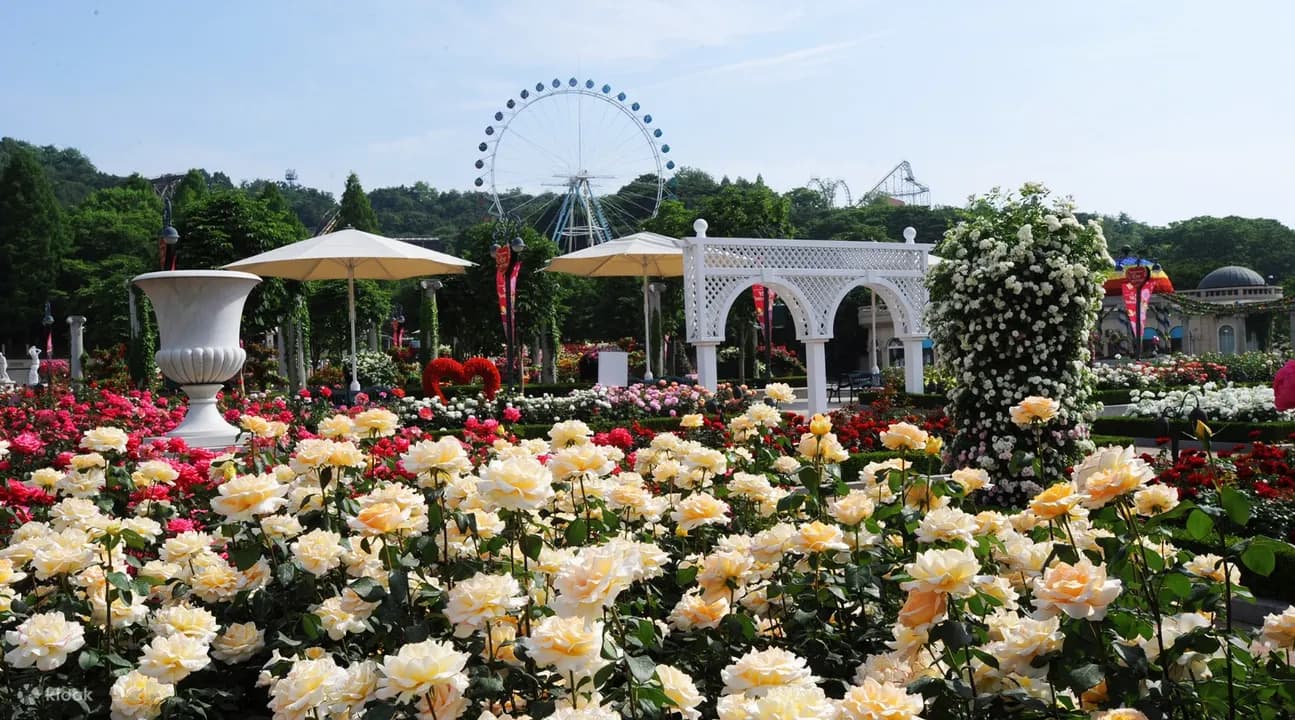
Hoesoodaok image

Hoesoodaok

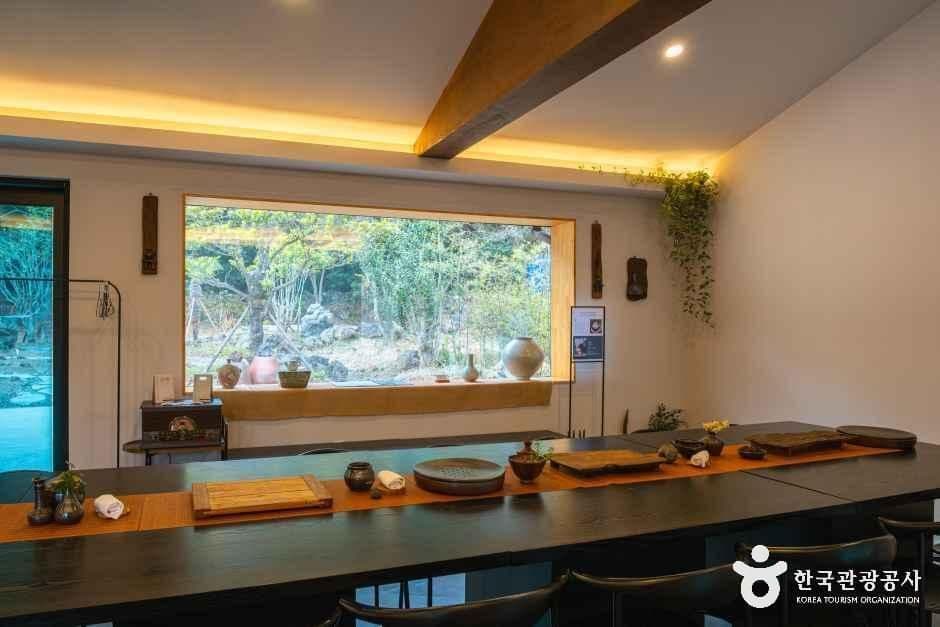
Hoesoodaok is a Korea Plus Eat & Shop guide for planning a useful stop in Jeju. The goal is not to repeat a short API summary, but to turn the listing into a readable visitor plan: what kind of stop it is, how it can fit into a day, and what you should confirm before going. Use this page when you need a realistic meal, cafe break, market browse, or shopping pause near your route. A good Eat & Shop plan should support the day rather than take over the whole itinerary, so this guide focuses on location, timing, expectations, backup planning, and simple decision points for international visitors. Before you go, save the name and address in a map app, check the most recent hours or last-order rules, and keep one nearby alternative ready. Menus, stock, reservations, prices, and temporary closures can change quickly, especially around weekends, holidays, weather shifts, and peak dining hours. ## Why Visit - It gives you a concrete cafe idea in Jeju without starting from a blank map search. - It can work as a meal anchor, coffee break, dessert stop, market browse, or shopping errand between bigger sightseeing plans. - It helps you plan around real travel friction: walking distance, crowding, payment, language comfort, and whether the stop is worth the detour. - It is easier to enjoy when paired with one nearby attraction, one rest stop, and a flexible backup instead of a packed schedule. ## What To Expect Treat this as a coffee, dessert, bakery, brunch, or quiet reset stop. Cafes are useful for slowing down the day, checking maps, organizing photos, and deciding whether to keep exploring the same district. If you are traveling with other people, agree on the purpose of the stop first. Some visitors want a photo-friendly place, some want a specific dish, some want efficient shopping, and some simply need a comfortable break. Clear expectations make the route smoother. ## Planning Notes - Save the Korean and English place name if available, plus the address. - Check current hours, last order, reservation rules, break time, and holiday closures. - Card payment is common in Korea, but small markets, pop-ups, and older vendors can vary. - Keep a translation app ready for menu questions, allergies, tax refund requests, or directions. - If the stop is crowded or closed, switch to your saved backup and keep the route simple. ## Suggested Pairing Pair Hoesoodaok with a nearby neighborhood walk instead of crossing the city for only one stop. In Jeju, Eat & Shop plans usually work best when a cafe, restaurant, market, or shop is close to another attraction, transit hub, park, museum, or shopping street. For cafes and restaurants, leave enough time for queues, ordering, and a relaxed break. For markets and shops, allow time to browse without making the day feel rushed. Weather also matters: rainy days favor indoor cafes and malls, while clear days make markets, streets, and coastal routes easier to enjoy. ## Final Tips Keep this as a flexible stop, not a rigid appointment. Confirm the latest information, save the address, prepare a short translated request if needed, and choose one nearby backup before leaving. That small bit of planning makes Eat & Shop stops feel like a useful part of the trip rather than a stressful detour.

Suncheonui Gyejeol image

Suncheonui Gyejeol

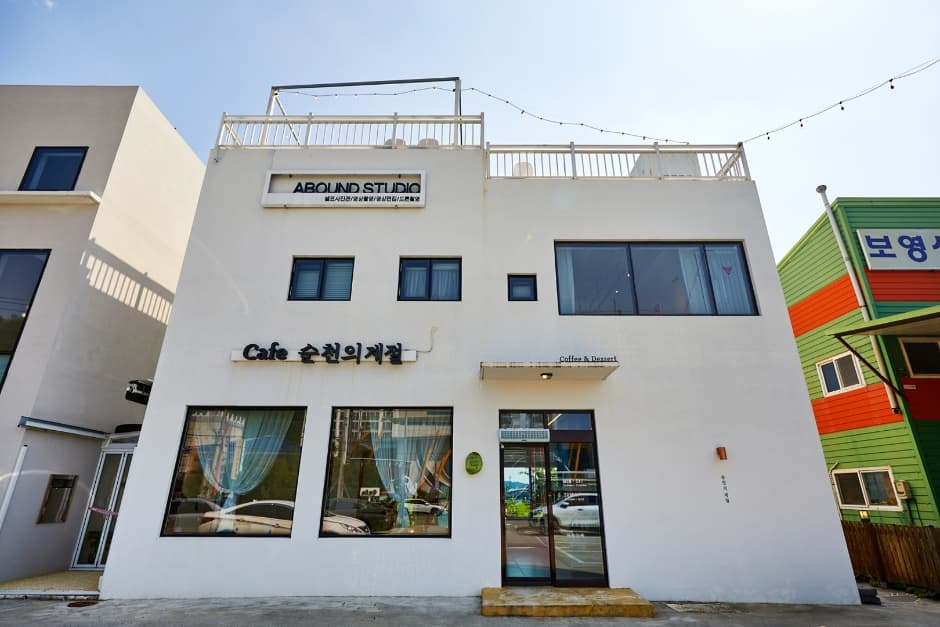
Suncheonui Gyejeol is a Korea Plus Eat & Shop guide for planning a useful stop in Jeollanam-do. The goal is not to repeat a short API summary, but to turn the listing into a readable visitor plan: what kind of stop it is, how it can fit into a day, and what you should confirm before going. Use this page when you need a realistic meal, cafe break, market browse, or shopping pause near your route. A good Eat & Shop plan should support the day rather than take over the whole itinerary, so this guide focuses on location, timing, expectations, backup planning, and simple decision points for international visitors. Before you go, save the name and address in a map app, check the most recent hours or last-order rules, and keep one nearby alternative ready. Menus, stock, reservations, prices, and temporary closures can change quickly, especially around weekends, holidays, weather shifts, and peak dining hours. ## Why Visit - It gives you a concrete cafe idea in Jeollanam-do without starting from a blank map search. - It can work as a meal anchor, coffee break, dessert stop, market browse, or shopping errand between bigger sightseeing plans. - It helps you plan around real travel friction: walking distance, crowding, payment, language comfort, and whether the stop is worth the detour. - It is easier to enjoy when paired with one nearby attraction, one rest stop, and a flexible backup instead of a packed schedule. ## What To Expect Treat this as a coffee, dessert, bakery, brunch, or quiet reset stop. Cafes are useful for slowing down the day, checking maps, organizing photos, and deciding whether to keep exploring the same district. If you are traveling with other people, agree on the purpose of the stop first. Some visitors want a photo-friendly place, some want a specific dish, some want efficient shopping, and some simply need a comfortable break. Clear expectations make the route smoother. ## Planning Notes - Save the Korean and English place name if available, plus the address. - Check current hours, last order, reservation rules, break time, and holiday closures. - Card payment is common in Korea, but small markets, pop-ups, and older vendors can vary. - Keep a translation app ready for menu questions, allergies, tax refund requests, or directions. - If the stop is crowded or closed, switch to your saved backup and keep the route simple. ## Suggested Pairing Pair Suncheonui Gyejeol with a nearby neighborhood walk instead of crossing the city for only one stop. In Jeollanam-do, Eat & Shop plans usually work best when a cafe, restaurant, market, or shop is close to another attraction, transit hub, park, museum, or shopping street. For cafes and restaurants, leave enough time for queues, ordering, and a relaxed break. For markets and shops, allow time to browse without making the day feel rushed. Weather also matters: rainy days favor indoor cafes and malls, while clear days make markets, streets, and coastal routes easier to enjoy. ## Final Tips Keep this as a flexible stop, not a rigid appointment. Confirm the latest information, save the address, prepare a short translated request if needed, and choose one nearby backup before leaving. That small bit of planning makes Eat & Shop stops feel like a useful part of the trip rather than a stressful detour.
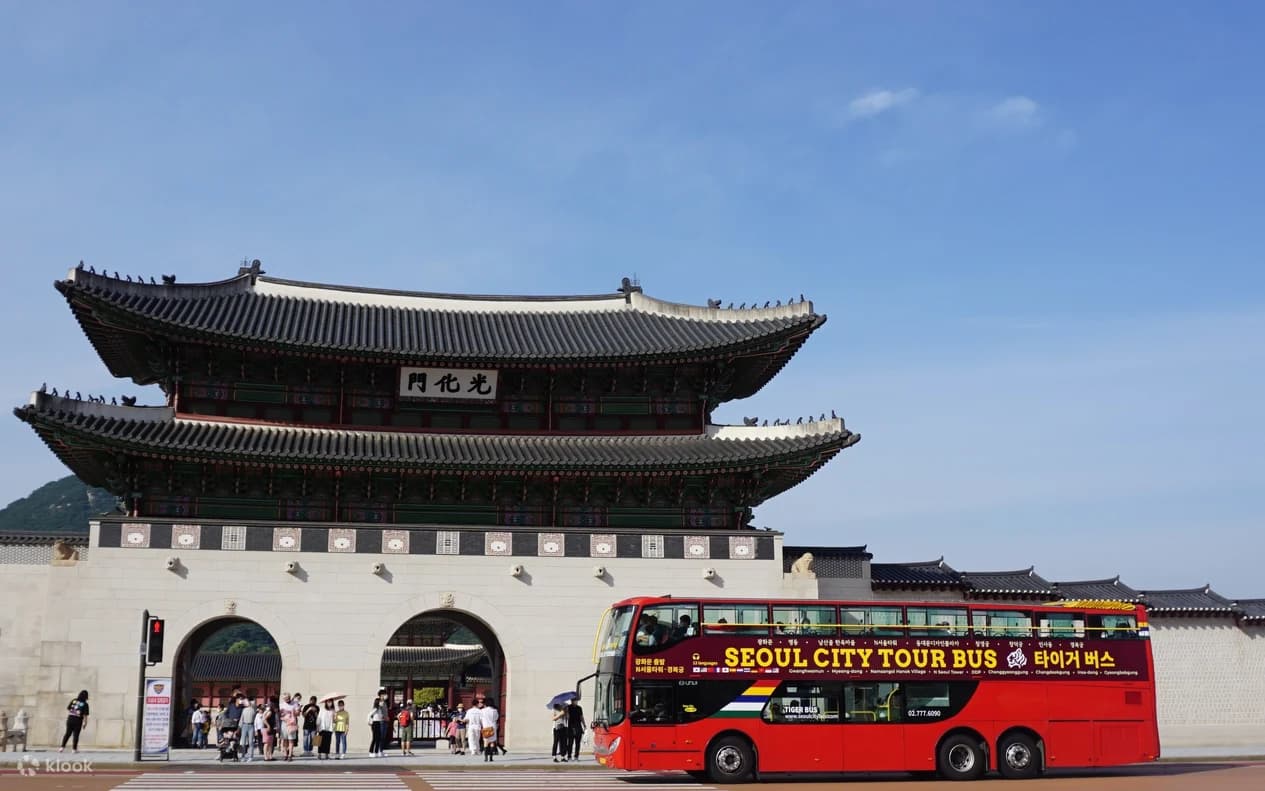
Wumok image

Wumok

Wumok is a Korea Plus Eat & Shop guide for planning a useful stop in Seoul. The goal is not to repeat a short API summary, but to turn the listing into a readable visitor plan: what kind of stop it is, how it can fit into a day, and what you should confirm before going. Use this page when you need a realistic meal, cafe break, market browse, or shopping pause near your route. A good Eat & Shop plan should support the day rather than take over the whole itinerary, so this guide focuses on location, timing, expectations, backup planning, and simple decision points for international visitors. Before you go, save the name and address in a map app, check the most recent hours or last-order rules, and keep one nearby alternative ready. Menus, stock, reservations, prices, and temporary closures can change quickly, especially around weekends, holidays, weather shifts, and peak dining hours. ## Why Visit - It gives you a concrete restaurant idea in Seoul without starting from a blank map search. - It can work as a meal anchor, coffee break, dessert stop, market browse, or shopping errand between bigger sightseeing plans. - It helps you plan around real travel friction: walking distance, crowding, payment, language comfort, and whether the stop is worth the detour. - It is easier to enjoy when paired with one nearby attraction, one rest stop, and a flexible backup instead of a packed schedule. ## What To Expect Treat this as a meal or snack anchor. Check whether it is better for lunch, dinner, solo dining, groups, quick ordering, or a slower sit-down meal before building the rest of the route around it. If you are traveling with other people, agree on the purpose of the stop first. Some visitors want a photo-friendly place, some want a specific dish, some want efficient shopping, and some simply need a comfortable break. Clear expectations make the route smoother. ## Planning Notes - Save the Korean and English place name if available, plus the address. - Check current hours, last order, reservation rules, break time, and holiday closures. - Card payment is common in Korea, but small markets, pop-ups, and older vendors can vary. - Keep a translation app ready for menu questions, allergies, tax refund requests, or directions. - If the stop is crowded or closed, switch to your saved backup and keep the route simple. ## Suggested Pairing Pair Wumok with a nearby neighborhood walk instead of crossing the city for only one stop. In Seoul, Eat & Shop plans usually work best when a cafe, restaurant, market, or shop is close to another attraction, transit hub, park, museum, or shopping street. For cafes and restaurants, leave enough time for queues, ordering, and a relaxed break. For markets and shops, allow time to browse without making the day feel rushed. Weather also matters: rainy days favor indoor cafes and malls, while clear days make markets, streets, and coastal routes easier to enjoy. ## Final Tips Keep this as a flexible stop, not a rigid appointment. Confirm the latest information, save the address, prepare a short translated request if needed, and choose one nearby backup before leaving. That small bit of planning makes Eat & Shop stops feel like a useful part of the trip rather than a stressful detour.

Quay Cafe image

Quay Cafe

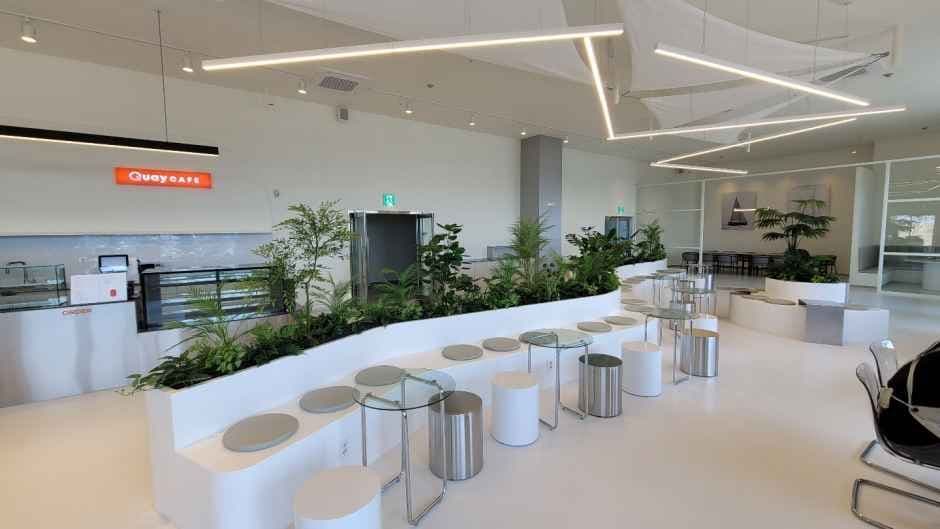
Quay Cafe is a Korea Plus Eat & Shop guide for planning a useful stop in Incheon. The goal is not to repeat a short API summary, but to turn the listing into a readable visitor plan: what kind of stop it is, how it can fit into a day, and what you should confirm before going. Use this page when you need a realistic meal, cafe break, market browse, or shopping pause near your route. A good Eat & Shop plan should support the day rather than take over the whole itinerary, so this guide focuses on location, timing, expectations, backup planning, and simple decision points for international visitors. Before you go, save the name and address in a map app, check the most recent hours or last-order rules, and keep one nearby alternative ready. Menus, stock, reservations, prices, and temporary closures can change quickly, especially around weekends, holidays, weather shifts, and peak dining hours. ## Why Visit - It gives you a concrete cafe idea in Incheon without starting from a blank map search. - It can work as a meal anchor, coffee break, dessert stop, market browse, or shopping errand between bigger sightseeing plans. - It helps you plan around real travel friction: walking distance, crowding, payment, language comfort, and whether the stop is worth the detour. - It is easier to enjoy when paired with one nearby attraction, one rest stop, and a flexible backup instead of a packed schedule. ## What To Expect Treat this as a coffee, dessert, bakery, brunch, or quiet reset stop. Cafes are useful for slowing down the day, checking maps, organizing photos, and deciding whether to keep exploring the same district. If you are traveling with other people, agree on the purpose of the stop first. Some visitors want a photo-friendly place, some want a specific dish, some want efficient shopping, and some simply need a comfortable break. Clear expectations make the route smoother. ## Planning Notes - Save the Korean and English place name if available, plus the address. - Check current hours, last order, reservation rules, break time, and holiday closures. - Card payment is common in Korea, but small markets, pop-ups, and older vendors can vary. - Keep a translation app ready for menu questions, allergies, tax refund requests, or directions. - If the stop is crowded or closed, switch to your saved backup and keep the route simple. ## Suggested Pairing Pair Quay Cafe with a nearby neighborhood walk instead of crossing the city for only one stop. In Incheon, Eat & Shop plans usually work best when a cafe, restaurant, market, or shop is close to another attraction, transit hub, park, museum, or shopping street. For cafes and restaurants, leave enough time for queues, ordering, and a relaxed break. For markets and shops, allow time to browse without making the day feel rushed. Weather also matters: rainy days favor indoor cafes and malls, while clear days make markets, streets, and coastal routes easier to enjoy. ## Final Tips Keep this as a flexible stop, not a rigid appointment. Confirm the latest information, save the address, prepare a short translated request if needed, and choose one nearby backup before leaving. That small bit of planning makes Eat & Shop stops feel like a useful part of the trip rather than a stressful detour.
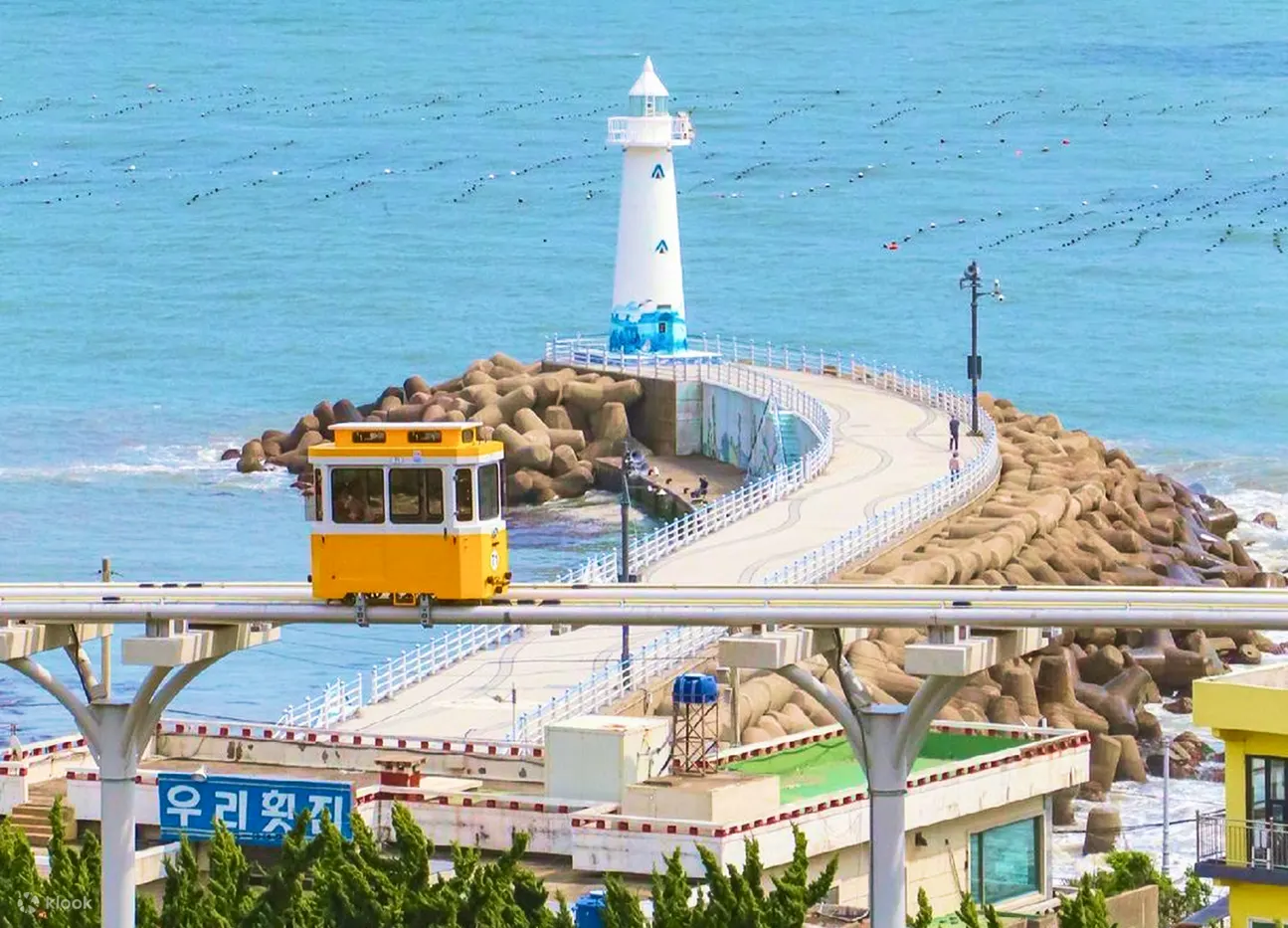
Mulgogi Coffee Roasters image

Mulgogi Coffee Roasters

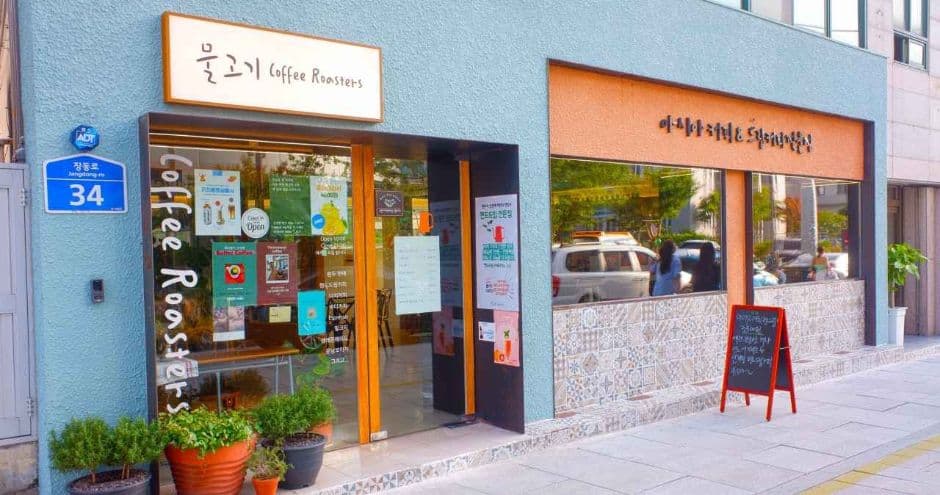
Mulgogi Coffee Roasters is a Korea Plus Eat & Shop guide for planning a useful stop in Gwangju. The goal is not to repeat a short API summary, but to turn the listing into a readable visitor plan: what kind of stop it is, how it can fit into a day, and what you should confirm before going. Use this page when you need a realistic meal, cafe break, market browse, or shopping pause near your route. A good Eat & Shop plan should support the day rather than take over the whole itinerary, so this guide focuses on location, timing, expectations, backup planning, and simple decision points for international visitors. Before you go, save the name and address in a map app, check the most recent hours or last-order rules, and keep one nearby alternative ready. Menus, stock, reservations, prices, and temporary closures can change quickly, especially around weekends, holidays, weather shifts, and peak dining hours. ## Why Visit - It gives you a concrete cafe idea in Gwangju without starting from a blank map search. - It can work as a meal anchor, coffee break, dessert stop, market browse, or shopping errand between bigger sightseeing plans. - It helps you plan around real travel friction: walking distance, crowding, payment, language comfort, and whether the stop is worth the detour. - It is easier to enjoy when paired with one nearby attraction, one rest stop, and a flexible backup instead of a packed schedule. ## What To Expect Treat this as a coffee, dessert, bakery, brunch, or quiet reset stop. Cafes are useful for slowing down the day, checking maps, organizing photos, and deciding whether to keep exploring the same district. If you are traveling with other people, agree on the purpose of the stop first. Some visitors want a photo-friendly place, some want a specific dish, some want efficient shopping, and some simply need a comfortable break. Clear expectations make the route smoother. ## Planning Notes - Save the Korean and English place name if available, plus the address. - Check current hours, last order, reservation rules, break time, and holiday closures. - Card payment is common in Korea, but small markets, pop-ups, and older vendors can vary. - Keep a translation app ready for menu questions, allergies, tax refund requests, or directions. - If the stop is crowded or closed, switch to your saved backup and keep the route simple. ## Suggested Pairing Pair Mulgogi Coffee Roasters with a nearby neighborhood walk instead of crossing the city for only one stop. In Gwangju, Eat & Shop plans usually work best when a cafe, restaurant, market, or shop is close to another attraction, transit hub, park, museum, or shopping street. For cafes and restaurants, leave enough time for queues, ordering, and a relaxed break. For markets and shops, allow time to browse without making the day feel rushed. Weather also matters: rainy days favor indoor cafes and malls, while clear days make markets, streets, and coastal routes easier to enjoy. ## Final Tips Keep this as a flexible stop, not a rigid appointment. Confirm the latest information, save the address, prepare a short translated request if needed, and choose one nearby backup before leaving. That small bit of planning makes Eat & Shop stops feel like a useful part of the trip rather than a stressful detour.
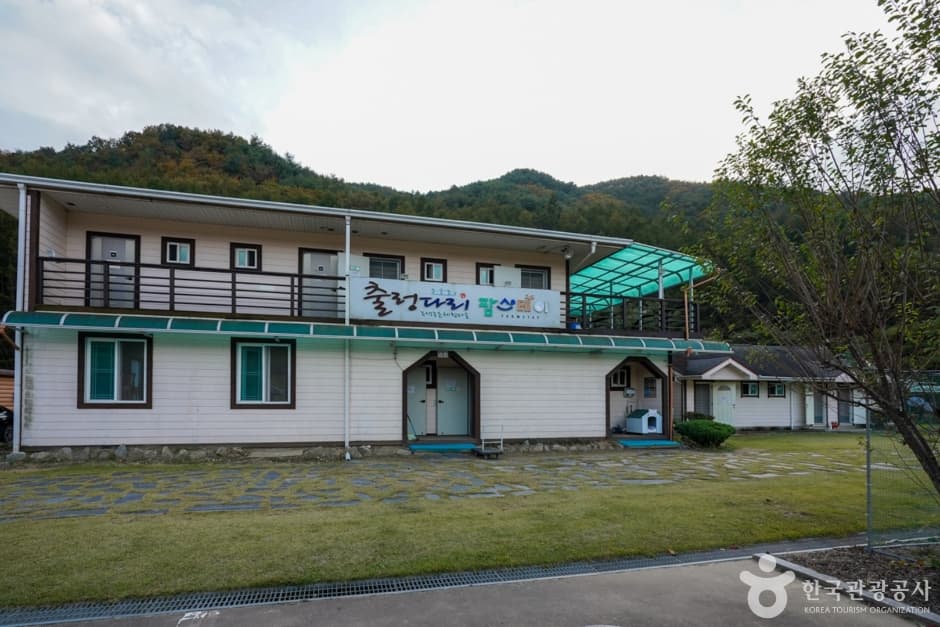
Cafe Rim image

Cafe Rim

Cafe Rim is a Korea Plus Eat & Shop guide for planning a useful stop in Incheon. The goal is not to repeat a short API summary, but to turn the listing into a readable visitor plan: what kind of stop it is, how it can fit into a day, and what you should confirm before going. Use this page when you need a realistic meal, cafe break, market browse, or shopping pause near your route. A good Eat & Shop plan should support the day rather than take over the whole itinerary, so this guide focuses on location, timing, expectations, backup planning, and simple decision points for international visitors. Before you go, save the name and address in a map app, check the most recent hours or last-order rules, and keep one nearby alternative ready. Menus, stock, reservations, prices, and temporary closures can change quickly, especially around weekends, holidays, weather shifts, and peak dining hours. ## Why Visit - It gives you a concrete cafe idea in Incheon without starting from a blank map search. - It can work as a meal anchor, coffee break, dessert stop, market browse, or shopping errand between bigger sightseeing plans. - It helps you plan around real travel friction: walking distance, crowding, payment, language comfort, and whether the stop is worth the detour. - It is easier to enjoy when paired with one nearby attraction, one rest stop, and a flexible backup instead of a packed schedule. ## What To Expect Treat this as a coffee, dessert, bakery, brunch, or quiet reset stop. Cafes are useful for slowing down the day, checking maps, organizing photos, and deciding whether to keep exploring the same district. If you are traveling with other people, agree on the purpose of the stop first. Some visitors want a photo-friendly place, some want a specific dish, some want efficient shopping, and some simply need a comfortable break. Clear expectations make the route smoother. ## Planning Notes - Save the Korean and English place name if available, plus the address. - Check current hours, last order, reservation rules, break time, and holiday closures. - Card payment is common in Korea, but small markets, pop-ups, and older vendors can vary. - Keep a translation app ready for menu questions, allergies, tax refund requests, or directions. - If the stop is crowded or closed, switch to your saved backup and keep the route simple. ## Suggested Pairing Pair Cafe Rim with a nearby neighborhood walk instead of crossing the city for only one stop. In Incheon, Eat & Shop plans usually work best when a cafe, restaurant, market, or shop is close to another attraction, transit hub, park, museum, or shopping street. For cafes and restaurants, leave enough time for queues, ordering, and a relaxed break. For markets and shops, allow time to browse without making the day feel rushed. Weather also matters: rainy days favor indoor cafes and malls, while clear days make markets, streets, and coastal routes easier to enjoy. ## Final Tips Keep this as a flexible stop, not a rigid appointment. Confirm the latest information, save the address, prepare a short translated request if needed, and choose one nearby backup before leaving. That small bit of planning makes Eat & Shop stops feel like a useful part of the trip rather than a stressful detour.
Woomooljip Bucheon image

Woomooljip Bucheon

Woomooljip Bucheon is a Korea Plus Eat & Shop guide for planning a useful stop in Gyeonggi-do. The goal is not to repeat a short API summary, but to turn the listing into a readable visitor plan: what kind of stop it is, how it can fit into a day, and what you should confirm before going. Use this page when you need a realistic meal, cafe break, market browse, or shopping pause near your route. A good Eat & Shop plan should support the day rather than take over the whole itinerary, so this guide focuses on location, timing, expectations, backup planning, and simple decision points for international visitors. Before you go, save the name and address in a map app, check the most recent hours or last-order rules, and keep one nearby alternative ready. Menus, stock, reservations, prices, and temporary closures can change quickly, especially around weekends, holidays, weather shifts, and peak dining hours. ## Why Visit - It gives you a concrete restaurant idea in Gyeonggi-do without starting from a blank map search. - It can work as a meal anchor, coffee break, dessert stop, market browse, or shopping errand between bigger sightseeing plans. - It helps you plan around real travel friction: walking distance, crowding, payment, language comfort, and whether the stop is worth the detour. - It is easier to enjoy when paired with one nearby attraction, one rest stop, and a flexible backup instead of a packed schedule. ## What To Expect Treat this as a meal or snack anchor. Check whether it is better for lunch, dinner, solo dining, groups, quick ordering, or a slower sit-down meal before building the rest of the route around it. If you are traveling with other people, agree on the purpose of the stop first. Some visitors want a photo-friendly place, some want a specific dish, some want efficient shopping, and some simply need a comfortable break. Clear expectations make the route smoother. ## Planning Notes - Save the Korean and English place name if available, plus the address. - Check current hours, last order, reservation rules, break time, and holiday closures. - Card payment is common in Korea, but small markets, pop-ups, and older vendors can vary. - Keep a translation app ready for menu questions, allergies, tax refund requests, or directions. - If the stop is crowded or closed, switch to your saved backup and keep the route simple. ## Suggested Pairing Pair Woomooljip Bucheon with a nearby neighborhood walk instead of crossing the city for only one stop. In Gyeonggi-do, Eat & Shop plans usually work best when a cafe, restaurant, market, or shop is close to another attraction, transit hub, park, museum, or shopping street. For cafes and restaurants, leave enough time for queues, ordering, and a relaxed break. For markets and shops, allow time to browse without making the day feel rushed. Weather also matters: rainy days favor indoor cafes and malls, while clear days make markets, streets, and coastal routes easier to enjoy. ## Final Tips Keep this as a flexible stop, not a rigid appointment. Confirm the latest information, save the address, prepare a short translated request if needed, and choose one nearby backup before leaving. That small bit of planning makes Eat & Shop stops feel like a useful part of the trip rather than a stressful detour.
Wolmi Park image

Wolmi Park

Wolmi Park, once a military zone for 50 years following the Korean War (1950-1953), has been transformed into a park preserving its natural ecosystem. Centered around Wolmi Mountain, the park features traditional Korean gardens such as Palace Garden, Hermitage Garden, and Tradition Private House Garden. Visitors can enjoy views of Incheon Port and the sunset over the Seohae Sea from the nearby Wolmi Observatory. It is conveniently located near Wolmi Cultural Street.

Dorisan Observatory image

Dorisan Observatory

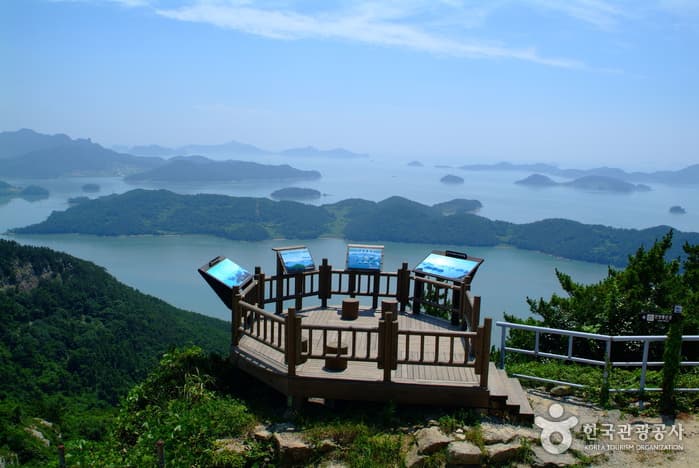
Located at the top of Mt. Dorisan in Yeomi-ri of Sangjodo Island, Dorisan Observatory is the highlight of the area, and offers panoramic views of Dadohae and its many islands including Gwanmae, Byeongpung, Nabae, Daema and Soma Islands. The eco-friendly structure provides panoramic views of nearby islands that locals like to say, “appear scattered over the sea like a flock of birds over water.” Visitors can enjoy majestic sunrise and sunset views, and on days with clear visibility, can see Bogildo Island in Haenam and even as far as Hallasan Mountain and Chujado Island in Jeju. Another of Jodo’s attractions is the nature lover spots on Hajodo Island. Jodo is comprised of the Sangjodo and Hajodo Islands connected by a bridge. The entire area is filled with pine trees and has plenty of beach access. The nearby Dondaebong Peak (230m) and the Hajodo Lighthouse offer comparable views and scenic landscapes for visitors in the area to enjoy.

Hwawon Oceano Tourism Complex image

Hwawon Oceano Tourism Complex

Set before the beautiful Korean archipelago, Hwawon Oceano Tourism Complex offers visitors a romantic beachside camping experience with a large campground and convenience amenities such as shower stalls. The campsite is particularly beautiful at sunset and night when stars fill the sky. Currently, the complex offers a golf course in addition to the campground, with plans to add a culture & arts center and marine world zone. Particularly, Pine Beach Golf Course located inside the tourism complex is surrounded by the ocean on three sides, and is perfect for playing a round of golf toward the endless ocean. The course is regarded as Asia’s Pebble Beach, a small coastal resort destination and home to famous golf courses in California.

Gwangju National Museum image

Gwangju National Museum

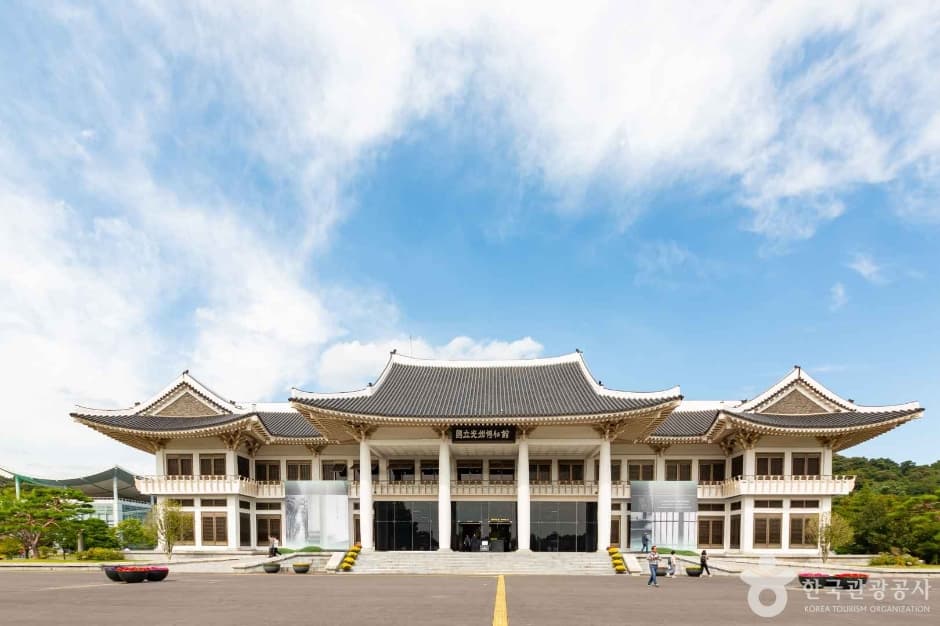
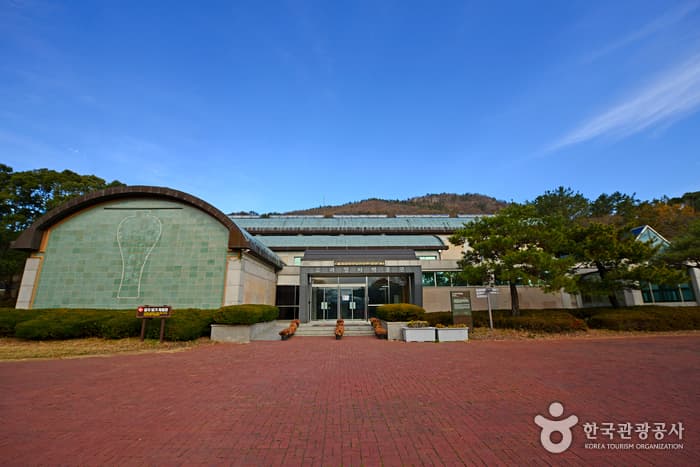
Gwangju National Museum, opened on December 6, 1978, was established to promote the development of cultural arts and to foster patriotism. Gwangju National Museum’s goal is to conserve cultural values through the collection and preservation of historical and valuable artifacts found in the Gwangju and Jeollanam-do regions as well as make contributions to the community through continuous research, exhibition, and education. With over 160,000 artifacts as well as various educational and experience programs, the museum aims to provide an enjoyable cultural center for visitors.

Naju Pear Museum image

Naju Pear Museum

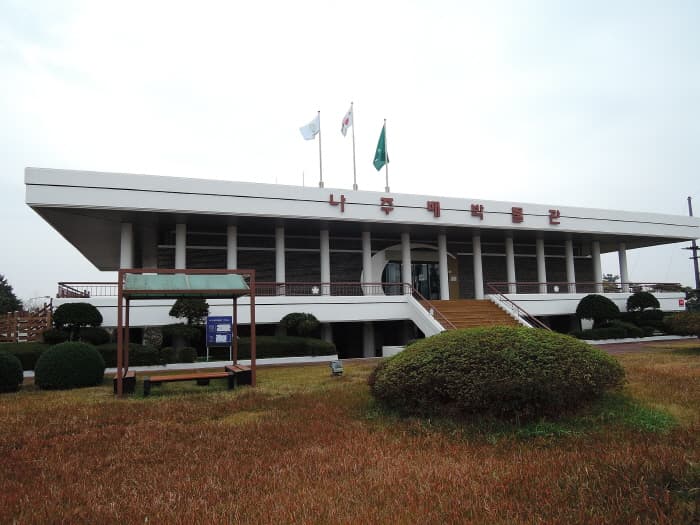
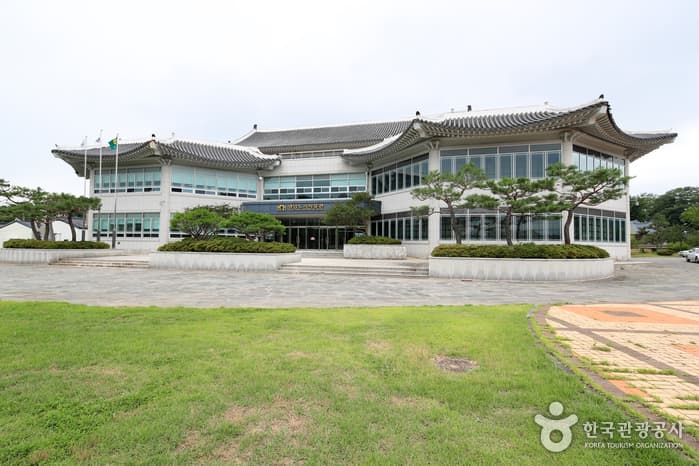
Known as the birthplace of Korean pears, Naju pears are well-known for its long history. The fruit was exported worldwide starting in 1967. The Naju Pear Museum promotes the fruit and is a learning center for its agricultural history. The museum opened on April 20, 1992 and is the world's only pear museum.

Korea Bamboo Museum image

Korea Bamboo Museum

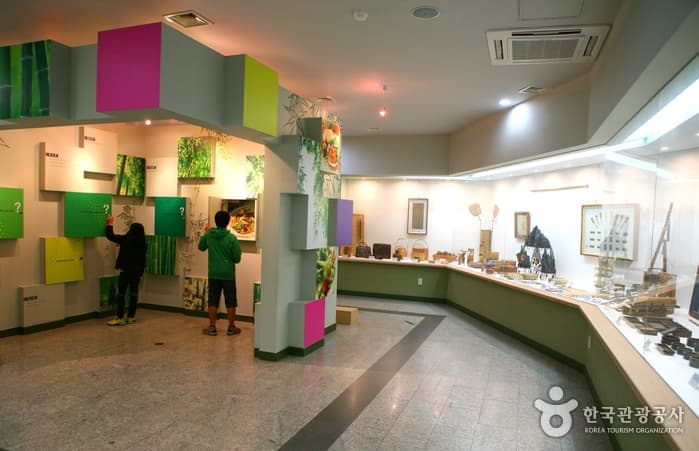
The Korean Bamboo Museum is a comprehensive complex that preserves, exhibits, produces, and allows people to experience bamboo products. First opened in 1981 at Damju-ri, the museum was expanded and relocated to the current location in March 1998. Not only does the museum provide bamboo-related exhibitions, it also provides techniques on making bamboo products as well as holds the Bamboo Festival every May.

Incheon Chinatown image

Incheon Chinatown

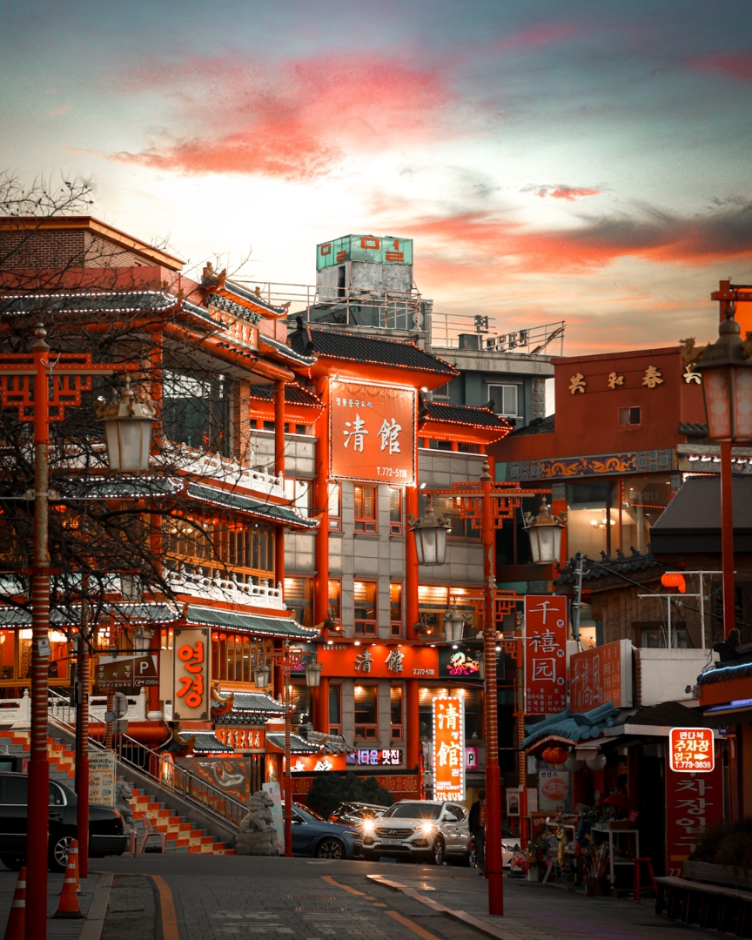
Incheon's Chinatown came into being with the opening of Incheon Port in 1883 and Incheon's designation as an extraterritoriality of the Ching dynasty in the following year. In the past, the area held many stores trading goods imported from China, but currently most Chinese businesses in the area are restaurants. Today, the residents of Chinatown are mostly 2nd or 3rd generation Chinese, descendents of the early Chinese settlers. The area harbors many of the flavors of China, while the traditional culture of the first generation is preserved.

Jungoe Park image

Jungoe Park

Jungoe Park is one of the nation's most famous leisure spaces. There is a children's grand park, the Olympic Garden, and the Olympic Monument. The children's grand park is especially popular on weekends and holidays. There is also a folk museum, an education center, and the Biennale Exhibition Hall in the Biennale & Museum section of the park. The park is most popular during fall for its beautiful foliage. In addition, the Rainbow Bridge is a symbol of the Biennale and was installed during the 1st Gwangju Biennale.

Gokseong Leisure Culture Center image

Gokseong Leisure Culture Center

Gokseong Leisure Culture Center was built to provide culture, education, and leisure facilities to the public. There are three concert and lecture halls, Dongak Art Hall, Seomjin Hall, and Daehwang Hall. There are also facilities for hobby and health classes. The center opened on March 11, 2010.

Kimdaejung Convention Center image

Kimdaejung Convention Center

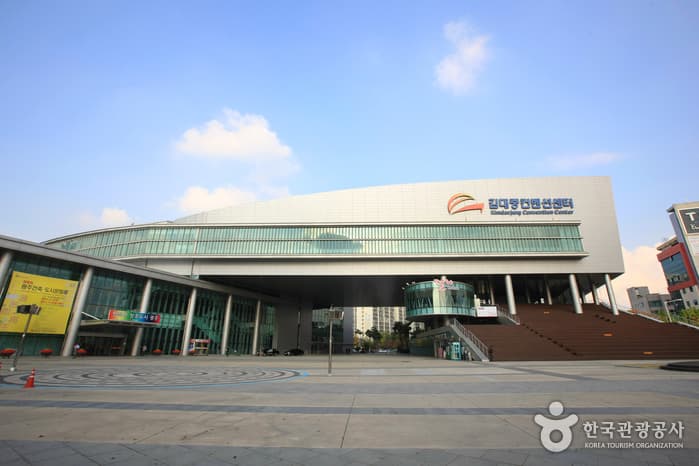
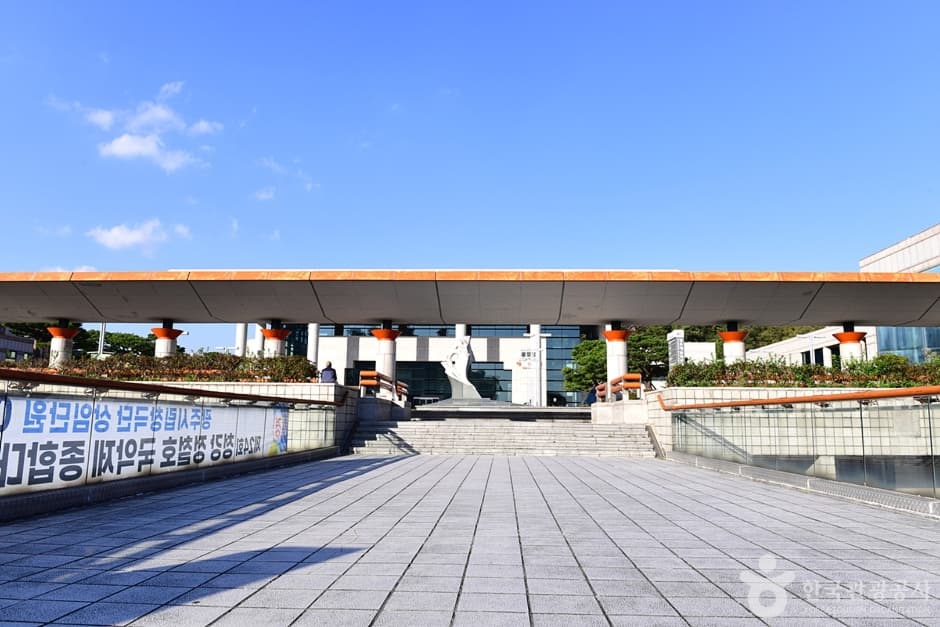
Kimdaejung Convention Center is a state-of-the-art facility in Gwangju, a city with rich cultural heritage and tourism resources. It was built as part of the efforts to promote Gwangju’s competitiveness as a main trade city in northeast Asia to boost local economy and, particularly, tourism resources. The center has served as a main venue for international meetings and exchanges (concerning products, information, culture, and technologies), significantly improving Gwangju’s image. Outstanding services, professional staff, and diverse amenities will make any meeting at Kimdaejung Convention Center pleasant and successful.

Chungjang-ro Street image

Chungjang-ro Street

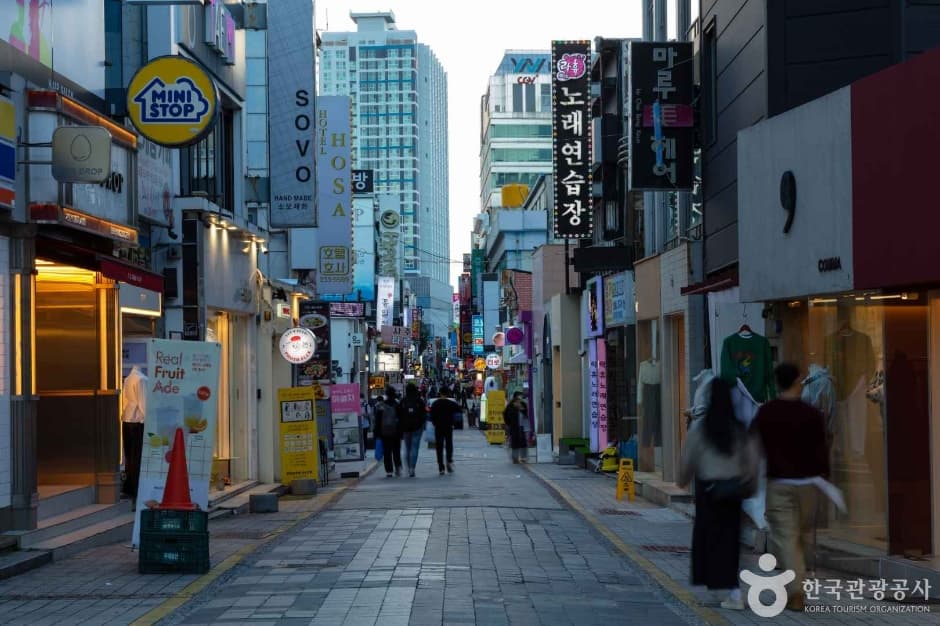
Chungjang-ro Street is Gwangju’s major fashion district, comparable with Myeongdong Street of Seoul. The streets of Chungjang-ro are lined with shopping malls, clothing stores, restaurants, cafes, movie theaters and various other attractions, providing the ultimate experience of modern culture in Gwangju. It is the city's hub of fashion, both trendy and traditional, as well as venue for diverse performances.

Gangjin Goryeo Celadon Museum image

Gangjin Goryeo Celadon Museum

Goryeo Celadon Museum was established to preserve and promote Gangjin celadon, as well as foster knowledge and creativity in regards to celedon in the next generation. The exhibition halls feature smart pads and audio explanations, combining modern technology with ancient relics for better understanding. This museum is considered to be an informative historic site to get knowledge of Goryeo Celadon through the past, present and future.

Gwangju Arts Center image

Gwangju Arts Center

Opened in 1991, the Gwangju Arts Center is the cornerstone of culture and arts in Gwangju. It offers high-quality performances and exhibitions across various genres, including Korean traditional music, opera, classical music, and ballet. The center boasts a range of artistic facilities, such as a main theater, a secondary theater, a traditional music hall, a sculpture garden, and an amphitheater. The main theater has a seating capacity for up to 1,500 people.

Incheon Jayu Park image

Incheon Jayu Park

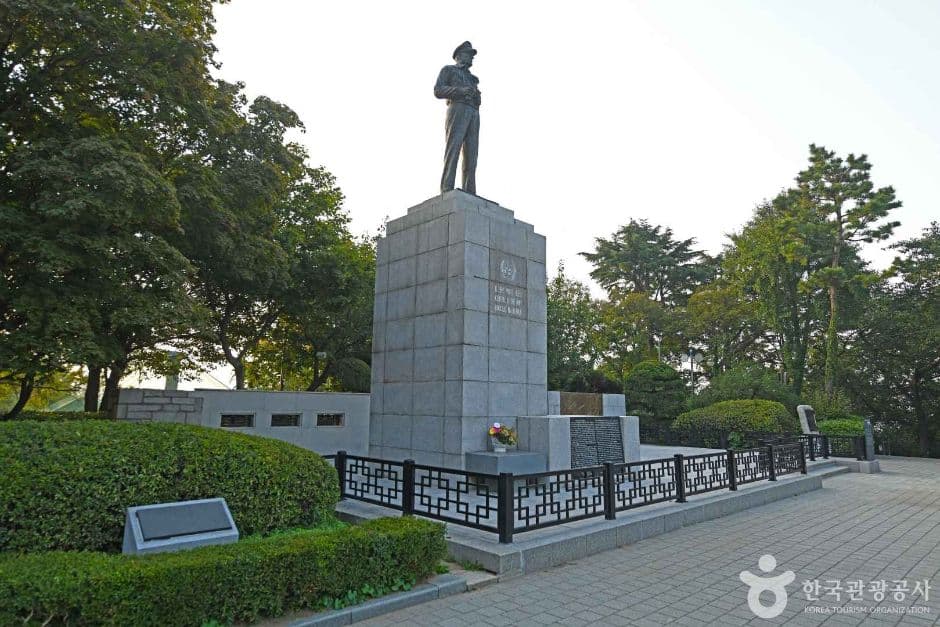
Jayu Park is the first Western-style park in Korea, built five years after the opening of Incheon Port. The location is perfect for a nice stroll as it is located high above sea level with spacious areas and a thick forest. At top of the park is the Korea-U.S.A. Centennial Monument built in 1982 to commemorate the 100 th anniversary of the treaty of peace, commerce and navigation between Korean and the US. Within the park, visitors can enjoy a small zoo, a pagoda, benches and other rest areas. A statue of General MacArthur stands in the park as a memorial of the general's feat of Operation Chromite during the Korean War. Every April, a cherry blossom festival is held as the cherry blossoms fill the park, attracting many visitors. The panoramic view of the city is breathtaking with nightscape especially popular for couples. There are many attractions nearby for visitors to enjoy food and history.

Yeongam Pottery Museum image

Yeongam Pottery Museum

Yeongam Pottery Museum is dedicated to promoting the history of pottery in Korea, starting from the oldest known pottery coming from Gurim Village. Visitors can learn about the history of this art form through exhibitions, educational programs, and hands-on experiences. Locally produced pottery is also available for sale. Nearby attractions include the Wangin Historic Site and Ha Jung-woong Museum of Art.

Jangseongho Tourist Area image

Jangseongho Tourist Area

Jangseongho Tourist Area is located south of Naejangsan National Park, in Jangseong, known as the hometown of Hong Gil-dong, a Korean Robin Hood. The lake was made by the damming of Hwangnyonggang River, and holds up to 89.7 million tons of water, filled with many freshwater fish species. In addition, the walking path along the 603-meter-long embankment attracts many tourists with beautiful views of the mountains and lake. Cruise ferries and motorboats also cross the lake. Nearby attractions include Ibamsan and Baegamsan Mountains, Namchanggyegok Valley, Baegyangsa and Naejangsa Temples, Gosanseowon Confucian Academy, Bangjangsan Recreational Forest, and more.

Seomjingang Train Village image

Seomjingang Train Village

Since its development in April 1999 as a part of government efforts to boost regional tourism, Seomjingang Train Village has established itself as a popular attraction in Gokseong. A replica of the region's old steam engine train runs 10 kilometers between the old Gokseong Station in Seomjingang Train Village and Gajeong Station. The train runs along the old tracks at a moderate speed, allowing passengers to enjoy the scenic view along the tracks.

Korea Gasa Literature Collection image

Korea Gasa Literature Collection

The Gasa Literature Collection was completed in October 2000 and is located in Damyang, Jeollanam-do, an area which is famous for its fertile land and rich historical heritage. Apart from the main building, additional buildings include a souvenir shop, and traditional tea house. In the museum, historical literature such as “Myeonangjip” (a collection of Gasa poems by Song Sun) and “Songgangjip,” (a collection of Gasa poems by Jeong Cheol) are on display. There are 11,461 artifacts and literature on Gasa culture, 18 Gasa works, and 15,000 books about Gasa.

Jangheung Jeongnamjin image

Jangheung Jeongnamjin

Jangheung-gun’s Jeongnamjin is the warmest place on the Korean mainland. The region has a diverse natural environment including stunning views of mountains, fields, the ocean, lakes, rivers and streams. It also has several cultural and tourist sites such as Cheongwansan Mountain, Bangchon Cultural Village, and Borimsa Temple, one of the three Borimsa Temples in Asia. The Jeongnamjin district has a wide variety of tourist attractions nearby such as the Samsan Embankment; a provincial park on Cheongwansan Mountain; a literature park; and Sodeungseom Island, a famous sunset attraction often used as a filming location and festival grounds. A number of festivals are held around the area to promote the region's diverse produce and beauty.

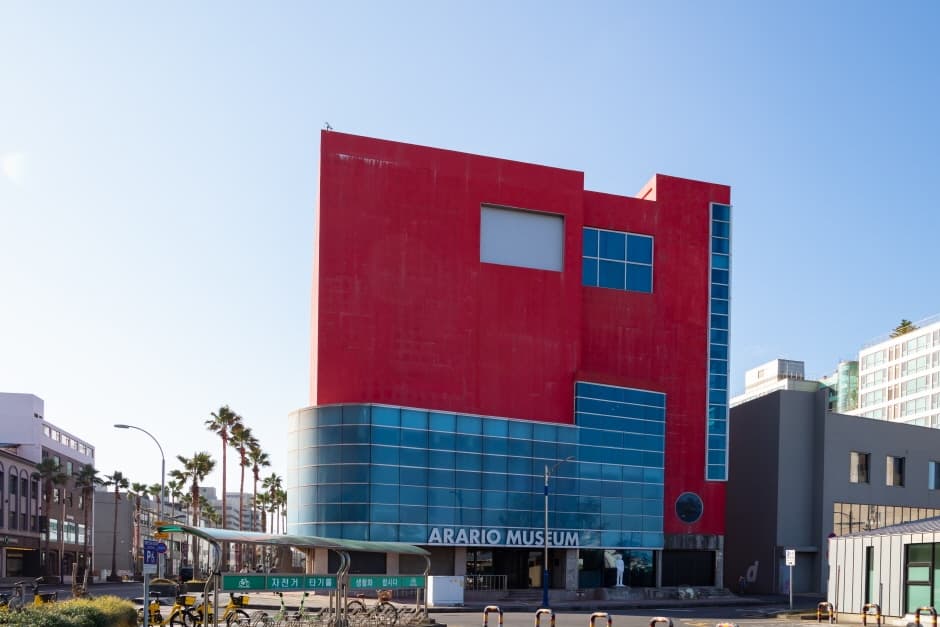
Arario Museum Tapdong Cinema image

Arario Museum Tapdong Cinema

Arario Museum Tapdong Cinema was created by Kim Chang-il, a famous artwork collector in Korea, who reused an abandoned building to make a contemporary art museum. The building did not go through extreme renovation, allowing visitors enjoy the building's original features along with the artworks. The underground floor and four ground floors hold exhibits where visitors can take photographs (flash photography not allowed), and the fifth floor houses a souvenir shop and a cafe where visitors can relax and enjoy panoramic views of the old city center and Tap-dong.

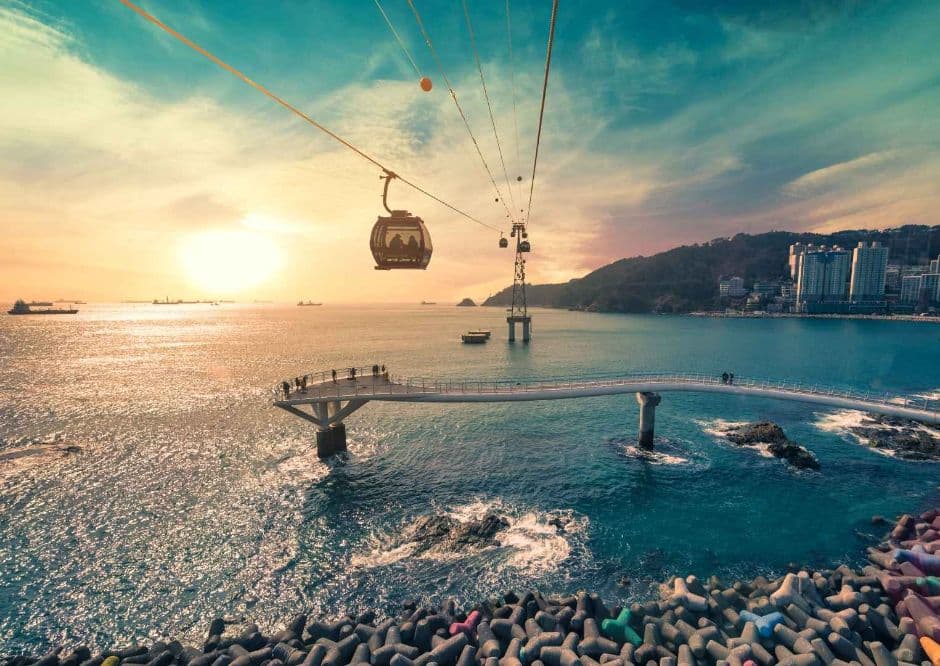
Busan Air Cruise image

Busan Air Cruise

Busan Air Cruise was built to revive the reputation of Songdo Beach, the first public beach in Korea opened nearly 30 years ago. Thirty-nine cabins, including crystal cabins with transparent floors, travel over the ocean between Songnim Park on the east and Amnam Park on the west. Visitors can also enjoy the first cable car museum in the nation at Songdo Doppelmayr World, Asia's first midair swing Sky Swing, theme park photo services and more.

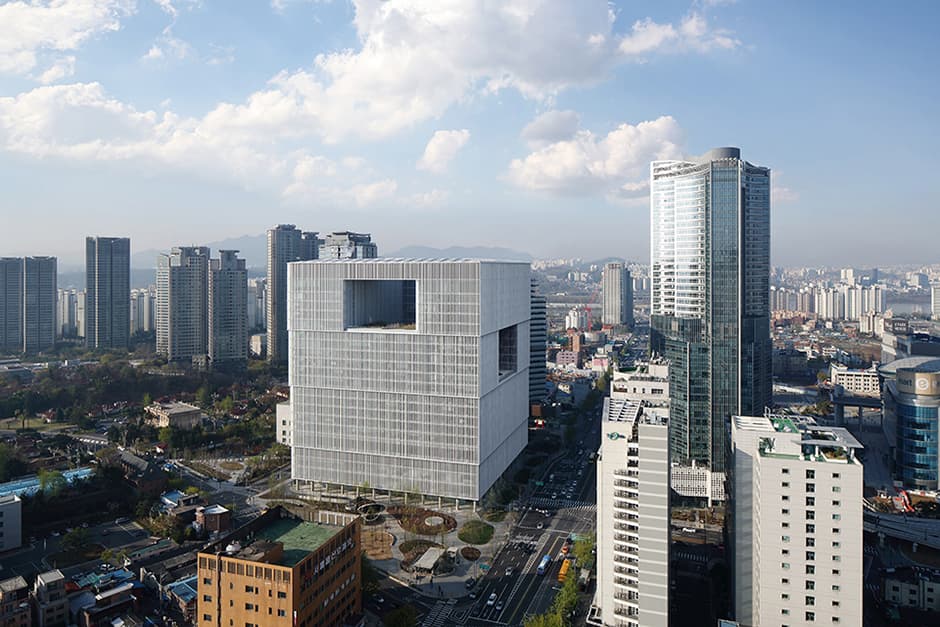
Amorepacific Museum of Art image

Amorepacific Museum of Art

Amorepacific Museum of Art, located in Yongsan-gu, Seoul, was originally a museum exhibiting artworks collected by the late Seo Seong-hwan, the founder of Amorepacific, but later changed its name to Amorepacific Museum of Art, or APMA, in 2009 and has since been operating as an art exhibition hall. The mission upon its foundation was seeking to be "a space where beauty in the midst of daily lives is discovered" and communicating with the public. In accordance with this objective, the museum collects, researches, and exhibits Korean ancient art and both Korean and international contemporary art while, also, aiding researchers, scholars, and young artists. The underground exhibition hall hosts diverse exhibits encompassing ancient art, contemporary art, and Korean art. The 1st floor of the "Atrium," an enormous space that continues from the 1st to 3rd floors, features the museum lobby, a museum shop, an exhibition space called "APMA Cabinet" and apLAP, which is a library of art exhibition brochures from around the world. The art museum is located on the 1st floor of the new Amorepacific headquarters building, a famous work of architectural beauty of Yongsan designed after white porcelain.

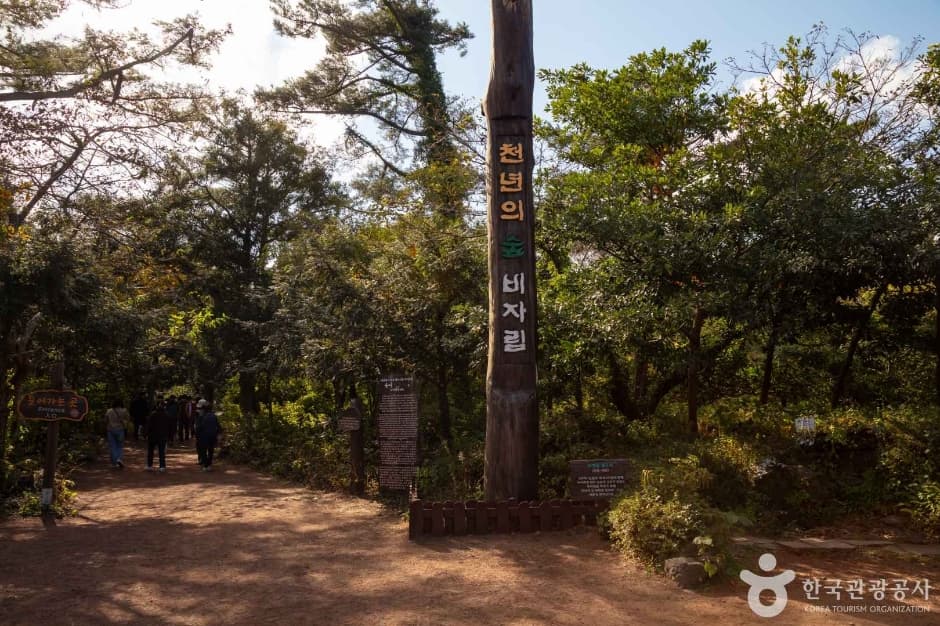
Bijarim Forest image

Bijarim Forest

Designated and protected as a Natural Monument, Bijarim Forest is home to 2,800 bija trees, ranging from 500 to 800 years in age, spread over 448,165㎡ land area. These majestic trees range from 7-14 meters in x_height, 50-110 centimeters in diameter, and 10-15 meters in crown x_width, so this forest is quite a rare example of its kind in the world. The berries of bija trees were used widely as a medicine used to kill parasites, while the wood was used to make premium furniture and go boards. Forest bathing in a bija forest helps to combat arteriosclerosis, mitigate physical and psychological fatigue, and restore the body’s rhythm.

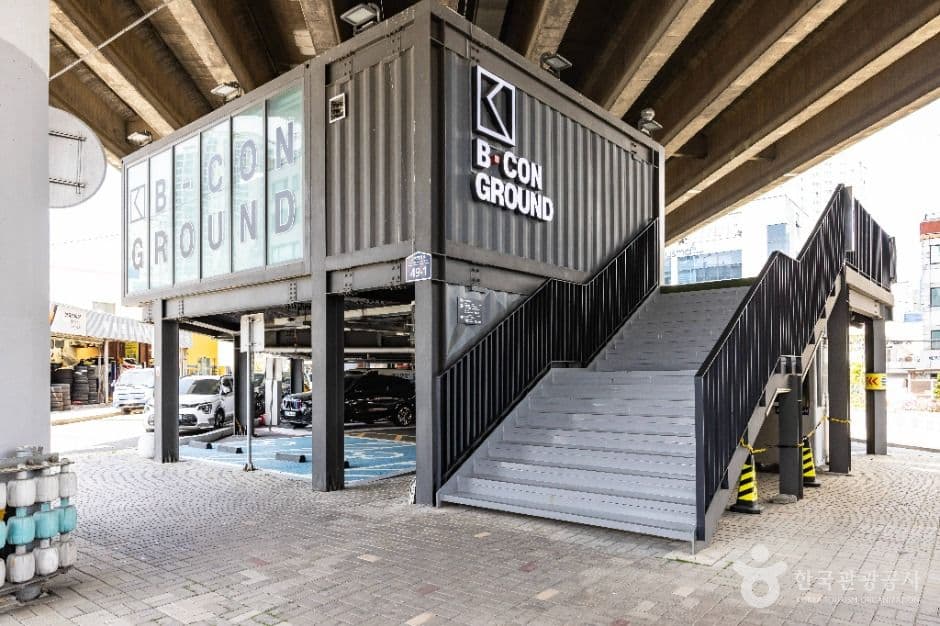
B-Con Ground image

B-Con Ground

B-Con Ground is a cultural complex in Busan, built by utilizing the empty space under an overpass. The complex is a cultural hub offering various exhibitions, cultural events, activities, and creative spaces for visitors. From playground and shopping ground to cafes, restaurants, art galleries, and a family deck, it truly offers all under one roof. Moreover, it provides a space for exhibition for disabled artists, as well as a venue for social entrepreneurs to hold exhibitions, cultural events, and sell artwork.

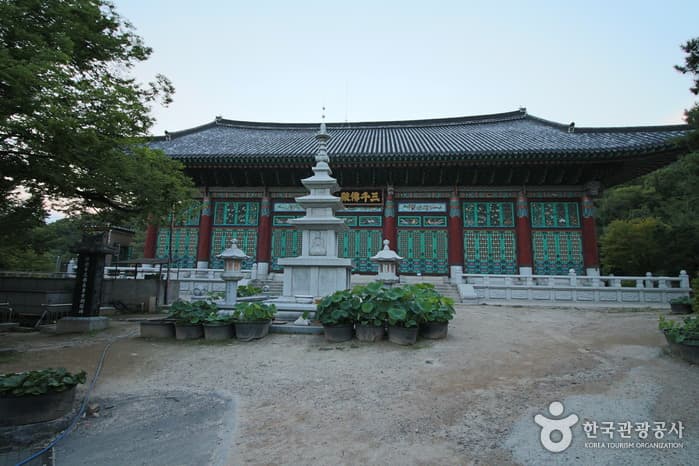
Bongwonsa Temple image

Bongwonsa Temple

Located on the outskirts of Ansan Mountain in Bongwon-dong, Seodaemun-gu, Seoul, Bongwonsa Temple, as the center of Korean Buddhism Taego, is a thousand-year-old temple with a long history and tradition. In 889 (3rd year of Shilla Queen Jinseong’s reign), Monk Doseon founded it at the ground of Yeonhui Palace (now Yonsei Univ.) and named it Banyasa temple. It was destroyed during the Imjin War in 1592, and later in 1748 (the 24th year of Joseon King Yeongjo’s reign), it was rebuilt and renamed “Bongwonsa” by two Buddhist monks, Chanjeup and Jeungam. “Yeongsanjae,” one of the Buddhist rituals and also a National Intangible Cultural Property, takes place at Bongwonsa on June 6 every year wishing for world peace and the reunification of North and South Korea. It was designated as one of the Intangible Cultural Heritage of Humanity by UNESCO in 2009. During Yeongsanjae, visitors can enjoy the Buddhist arts such as Beompae (Buddhist temple music for rituals) and dancing. Also, during summertime, Seoul Lotus Flower Culture Festival takes place, where visitors can enjoy the beautiful lotus flowers which are a symbol of Buddhism.

Apgujeong Rodeo Street image

Apgujeong Rodeo Street

Apgujeong Rodeo Street is a cultural street in Apgujeong full of luxury brands and multi-shops. It is a popular destination with significant foot traffic thanks to its convenient shopping opportunities, famous cafés and restaurants, and shops with unique interior design. This street is the place to experience Korean fashion and cultural trends. Nearby tourist sites include Cheongdam Fashion Street and Garosu Street of Sinsa-dong.

Baengnokdam Lake image

Baengnokdam Lake

Baengnokdam is a crater lake that sits on top of Hallasan Mountain at the center of Jeju Island. It spans 3 kilometers in circumference and 500 meters in diameter, and is surrounded by approximately 360 parasitic cones. At the peak, visitors can feel like floating on clouds.

Camellia Hill image

Camellia Hill

Camellia Hill is a camellia arboretum that was created on a 172,000 square meter plot of land in Sangchang-ri, Jeju-do. The arboretum is home to 6,000 camellia trees of 500 different species including species that are known to produce the world’s largest and earliest blossoms. In addition to camellia trees, the arboretum also boasts palm trees, wildflowers, and other plants as well as a sprawling grass plaza and an ecological pond. Auxiliary facilities include a gallery exhibiting camellia-themed crafts and a multipurpose seminar room. Camellia Hill also offers a variety of lodging facilities ranging from thatched-roof cottages and wooden cabins to steel houses and a condominium-type resort.◎ Travel information to meet Hallyu’s charm - variety show "EXchange / Transit Love 3"This is where Ju-won and Yu-jeong had their memorable date, making many viewers feel excited for them. The arboretum is beautiful year-round but is especially spectacular in winter when the red camellias are in bloom.

Manjanggul Lava Tube image

Manjanggul Lava Tube

Manjanggul Lava Tube, located in Gimnyeong-ri, Jeju, is part of the Geomunoreum Lava Tube system. The lava tube stretches roughly 7,400 meters, with a maximum x_height of 25 meters and x_width of 18 meters. These measurements make it one of the largest lava tubes in the world. Manjanggul holds great value for science and conservation studies, having well-maintained formations despite being formed over one hundred thousand years ago. The majority of the cave is closed off, with only 1 kilometer being open to tourists. Within this open section, visitors can see a variety of lava tube and cave topographical features, including stalagtites, stalagmites, and stone pillars. Among these, the 7.6-meter-tall stone pillar at the end of the open section is recorded as the largest in the world.

ARKO Art Center image

ARKO Art Center

ARKO Art Center was founded in 1974 as Misulhoegwan in a building of former Deoksu Hospital in Gwanhun-dong, Jongno-gu to offer much-needed exhibition space for artists and arts groups. In 1979, Misulhoegwan moved to its present building, designed by preeminent Korean architect Kim Swoo-geun (1931-1986) and located in Marronnier Park, the former site of Seoul National University. The two neighboring brick buildings accommodating ARKO Art Center and ARKO Arts Theater are the major landmarks of the district of Daehakro. As more public and private museums and commercial galleries came into the art scene in the 1990s, Misulhoegwan shifted to curating and presenting its own exhibitions. Renamed as Marronnier Art Center in 2002, ARKO Art Center assumed a full-fledged art museum system and played an increasingly prominent role as a public arts organization leading the contemporary art paradigm. When The Korea Culture and Arts Foundation was reborn as Arts Council Korea, Marronnier Art Center became ARKO Art Center named after the abbreviation for Arts Council Korea in 2005. ARKO Art Center is committed to working as a platform where research, production, exhibitions and the exchange of creative activities grow and develop in connection with one another in addition to having a diversity of programs including thematic exhibitions addressing social agenda and public programs widely promoting various discourses in art.

Aqua Planet Jeju image

Aqua Planet Jeju

Aqua Planet Jeju boasts the largest aquarium facility among East Asian countries. Housing over 45,000 marine creatures from domestic regions and abroad, Aqua Planet Jeju is a highly recommended family-friendly attraction. The highlight of Aqua Planet Jeju is its main tank which contains 6,000 tons of water and houses 27,000 fish, showing marine life up close. This fish tank facility is twice the size than that of Aqua Planet Yeosu, and over three times larger than that of Seoul COEX Aquarium and Busan Sea Life. What makes this aquarium event more special is the Jeju haenyeo (female divers) diving performance, which is only available in Aqua Planet Jeju.

Bukchon Hanok Village image

Bukchon Hanok Village

Surrounded by Gyeongbokgung Palace, Changdeokgung Palace and Jongmyo Shrine, Bukchon Hanok Village is home to hundreds of traditional houses, called hanok , that date back to the Joseon dynasty. The name Bukchon, which literally translates to "northern village," came about as the neighborhood lies north of two significant Seoul landmarks, Cheonggyecheon Stream and Jongno. Today, many of these hanoks operate as cultural centers, guesthouses, restaurants and tea houses, providing visitors with an opportunity to experience, learn and immerse themselves in traditional Korean culture. As Bukchon Hanok Village is an actual neighborhood with people's homes, visitors are advised to be respectful at all times while looking around.

Jeju Stone Park image

Jeju Stone Park

Located in Jocheon-eup, Jeju-si, Jeju Stone Park was inspired by Jeju's culture and applications of stones. The main theme focuses on the foundation and identity of Jeju Island, based on the myth of Seolmundae Halmang (Grandmother Seolmundae), who created Jeju Island and the stones of Obaek Janggun (Five Hundred Generals). The park serves as a historical and cultural space where collected stones respresent Jeju's foundation and culture. ◎ Hallyu Travel Information - Movie The location that served as the backdrop for Ark, the secret laboratory conducting the Witch Project, is located within Jeju Stone Culture Park. 70% of the park's 1 million pyeong area is Gotjawal, where stones, trees, and vines harmonize, capturing the identity and artistry of Jeju.

Changkkom image

Changkkom

Changkkom is a unique rock formation with a window-shaped hole, popular among tourists for taking photos.

5.16 Tree Tunnel image

5.16 Tree Tunnel

The 5.16 Road is the first national highway of Jeju and connects the cities of Jeju and Seogwipo. Drive the winding road toward Seogwipo to the points about 2.6 to 1.2 kilometers at a distance from Hallasan Seongpanak Rest Area to reach a tree tunnel shaped like an arch made with evergreen trees and deciduous trees. At the northern entrance to the tree tunnel, there is a sign reading, “The road is more beautiful if you drive slowly.” The road here is narrow and has many curves, causing a risk of accidents, so drivers should be careful. Another reason to slow down while driving on this road is to appreciate the surrounding scenery. Located at the foot of Hallasan Mountain, the road provides various aspects of nature throughout the four seasons. Trees that extend out from both sides of the road and are bent as if embracing the sky provide cool shade in the summer, red leaves in the fall, and dazzling snow scenes in the winter. The 5.16 Tree Tunnel presents picturesque four seasons of Jeju.

Baek In-je House image

Baek In-je House

Baek In-je House, located in Bukchon Hanok Village, is a hanok built during the Japanese administration period that portrays modern hanok features. The structure consists of a main room offering a good view of the whole village, spacious bedrooms, a large garden, and annex buildings. As it maintains the beauty of a traditional hanok while incorporating the modern trend of its time, Baek In-je House is considered to be highly valuable in means of both architecture and history, representing the Bukchon Hanok Village together with Yun Bo-seon House. Baek In-je House was built from black pine, which was first introduced in Seoul during the Gyeongseong Expo in 1907, distinguishing itself from other upper-class houses of its time. Unlike other traditional hanok designs that separate the main building from the other rooms, Baek In-je House connects the two with a hallway, allowing convenient access between the two structures. The house also consists of a Japanese-style hallway and floor mat rooms, reflecting the interior trends of that period. Baek In-je House is also unique in that the main room is partially built as a two-story structure, a style that was never seen in any traditional hanok built during the Joseon period.

Baksugijeong Cliffs image

Baksugijeong Cliffs

◎ Travel information to meet Hallyu’s charm - variety show "EXchange / Transit Love 3" Ju-won and Yu-jeong enjoyed a romantic date here, taking photos against the sunset and strolling around Daepyeong Port with views of Baksugijeong Cliffs. Reflecting on their time together, Yoo-jung said, “We were together for 15 hours, but never bored at all.”

Achasanseong Fortress image

Achasanseong Fortress

Achasanseongseong Fortress boasts magnificent views of the Hangang River and skyline. The 200m-high mountain fortress wall was built to face southeast, towards the Hangang River. It is also called Janghan-seong or Gwangjang-seong. A fierce battle was once fought here among Gogury, Baekje and Silla because of its strategic location during the period of the Three Kingdoms. King Gae-Ro of Baekje (r. 455-475) died in the war by the Goguryeo forces sent by King Jang-Su (r. 413-491) and General Ondal of Goguryeo was also killed in a battle with the Silla army in 590. Achasan Mountain is popular as a citizens’ resting place with a historical trail and a natural park including various facilities such as walkway, mountain walkway, a badminton court, a wrestling range, an archery range, various amusement facilities for children, benches, and pavilion.

168 Stairs image

168 Stairs

This is the fastest way to go downhill from Sanbok road to Busan port. The stairs are known to be as tall as a 6-story building and have exactly 168 steps. In the past, there used to be 3 wells located at the bottom of the stairs, which locals would wait in line to draw water when there was insufficient water, but now, there is only one well with drinking water.

Archaeological Site in Amsa-dong, Seoul image

Archaeological Site in Amsa-dong, Seoul

The Archaeological Site in Amsa-dong reproduces the lifestyle of the Neolithic Era. Even the entrance gate is shaped like a huge dolmen and the trash cans are ancient diagonal-line patterned earthenware. Archaeological Site in Amsa-dong was excavated in 1925 when a flood washed away the soil on the banks of the Hangang River and exposed a large number of diagonal-line patterned earthenware. After several excavations, the Archaeological Site in Amsa-dong was established. The site was a location for a massive colony, thus many ancient buildings, stone axes and stone arrows have been uncovered as well as countless diagonal-line patterned earthenware. The housing site is round with a spot in the center for fire. The site is colossal and possesses nine mud huts, two exhibition halls displaying ancient artifacts and an open mud hut where visitors can experience life in the Neolithic Era. The site offers many attractions such as mud huts and promenades. Archaeological Site in Amsa-dong is also very educational for children and families who want to learn and experience the Neolithic Age.

Banpo Bridge Rainbow Fountain image

Banpo Bridge Rainbow Fountain

The Rainbow Fountain plunges 20 meters into the water on both side of Banpo Bridge over the Hangang River. When the sun goes down, 200 lights illuminate the fountain as it sends out dancing, rainbow-colored jets of water in the air in synchronization with music. The fountain boasts spectacular views from the hills, the Hangang River observation deck, and the moon-shaped Moonlight Square. Banpo Bridge Rainbow Fountain operates every day from April to October, four to six times a day for 20 minutes.

Ahopsan Forest image

Ahopsan Forest

Ahopsan Forest is a forest located at the foot of Ahopsan Mountain in Cheolma-myeon, Gijang-gun, Busan. It is a place where visitors can meet the undamaged natural environment and ecology. Diverse forests ㅡsuch as bamboo forests, cypress forests, cedar trees, ginkgo trees, and natural forests, including Geumgang pine trees aged 100 to 300 years, make up Ahopsan Mountain. It is a private forest with a total area of ​​520,000 square meters and has been there for about 400 years. Only a limited number of people who have made a reservation in advance are allowed to enter for nature conservation. Unlike amusement parks and recreation areas, viewing is possible only within the limits that do not damage nature. However, forest experiences, activity programs for children, and forest explanation program are offered for visitors' entertainment.

Hallasan Mountain image

Hallasan Mountain

Hallasan Mountain stands proudly at the center of Jeju Island and is perhaps the island’s most memorable landmark. Also called Yeongjusan Mountain, meaning "mountain high enough to pull the galaxy," Hallasan Mountain is widely known by scientists for its geological value. Designated as a national park in 1970, there are 368 parasitic cones called "oreum" (Jeju dialect meaning peak) around the main mountain. Hallasan Mountain is famous for its vertical ecosystem of plants that results from the varying temperatures along the mountainside. Over 1,800 kinds of plants and 4,000 species of animals (3,300 species of insects) have been identified; to explore the mountain's treasures, simply follow one of the well-developed hiking trails.

Arte Museum Jeju image

Arte Museum Jeju

Arte Museum is the nation's largest immersive media art exhibition presented by world-class digital design company d'strict, which is also famous for the “WAVE” at Coex. The museum displays ten of the most colorful media art exhibits created by lights and sounds on a grand floor space of 4,628 square meters with a maximum x_height of 10 meters which had once been used as a speaker manufacturing factory.

Busan Cinema Center image

Busan Cinema Center

Busan Cinema Center serves as both the venue of the Busan International Film Festival (BIFF) and a cultural space hosting film screenings, performances, and exhibitions. It has BIFF Theater with nearly 4,000 seats, Cinema I, Cinema II, Cinematheque, Haneulyeon Theater, Indieplus, and Library.

Ahn Junggeun Memorial Museum image

Ahn Junggeun Memorial Museum

The Ahn Junggeun Memorial Museum honors the memory of Ahn Junggeun (1879-1910), an independence activist and soldier who advocated for Korean independence and peace in Asia. He fought against the Japanese to defend the Korean Empire (1897-1910). He was executed in 1910 for assassinating Hirobumi Ito, the Japanese who led the invasion of Korea in 1909, in Harbin, China.

Appenzeller Noble Memorial Museum image

Appenzeller Noble Memorial Museum

The Appenzeller Noble Memorial Museum is dedicated to Henry Gerhart Appenzeller, the missionary who opened the first Western-style educational institution in Korea in 1885. The school started with English and core subjects, but expanded into the Pai Chai University, Pai Chai High School, and Pai Chai Middle School and has many famous alumni, including Rhee Syng-man. The memorial hall opened in 2008 in the east wing of the original school building, which was built in 1916 and designated as a Seoul Monument. With dynamically arranged permanent exhibitions, annual special exhibitions and special lectures, the museum offers a unique learning experience to visitors and people with an interest in the history of education in Korea.

Blue Square image

Blue Square

Blue Square is a multipurpose performance venue located in Hannam-dong. It includes Shinhan Card Hall, a performance hall dedicated to musicals with 1,776 seats, and Mastercard Hall, a multipurpose performance hall with 1,400 seats. Blue Square also includes the Book Park, which has a collection of nearly 75,000 books, and a café with a terrace that looks toward the Namsan Mountain. Many visitors come to the Blue Square to see its collection of popular musicals and other performances.

Alleys of Changsin-dong image

Alleys of Changsin-dong

K-movie <PARASITE> - A town full of nostalgia On the day Kitaek's family returned home, the torrential rain flowed ferociously in streams. The alleys of Changsin-dong, with its narrow and steep stairs, were a good backdrop for visually representing the condition of the Kitaek&rsquo;s family, who were about to fall. Changsin-dong is a warm and charming neighborhood where traces of the 70s and 80s can be felt.

April 19th National Cemetery image

April 19th National Cemetery

Located at the foot of Bukhansan Mountain, the April 19th National Cemetery was established in memory of the 224 people who lost their lives during the 4.19 Revolution in 1960. The cemetery features a memorial hall and a traditional wooden structure that houses the grave of the historic figure Yu Yeongbong. At the cemetery is a pond surrounded by sculptures such as "Symbolic Door," "Roots of Democracy," and "Sparks of Justice" and a memorial tower bearing an inscription for the brave patriots who lost their lives during the revolution. Groves of pine, juniper, yew, and maple trees and the well-kept hiking path add a natural charm to the overwhelming ambiance of peace and serenity. Many people visit to see the spring blossoms in May, and throughout the year to take in the glorious scene of the sunset over Bukhansan Mountain.

Africa Museum of Art image

Africa Museum of Art

The Africa Museum of Art was established with the purpose of hosting various art festivals and providing the grounds for researching various art themes. A major principle of the gallery is to promote works of art that actively attempt to explore the human mind.

BEXCO image

BEXCO

BEXCO is a large international exhibition/convention center in the middle of Busan. It offers spacious exhibition halls as large as three football fields combined, multi-purpose halls, and outdoor exhibition halls. Equipped with advanced equipment, the convention center is ideal for holding international exhibitions, meetings, concerts, or sporting events.

Gajokhwegwan image

Gajokhwegwan

Gajokhwegwan is a Korea Plus Eat & Shop guide for planning a useful stop in Gwangju. The goal is not to repeat a short API summary, but to turn the listing into a readable visitor plan: what kind of stop it is, how it can fit into a day, and what you should confirm before going. Use this page when you need a realistic meal, cafe break, market browse, or shopping pause near your route. A good Eat & Shop plan should support the day rather than take over the whole itinerary, so this guide focuses on location, timing, expectations, backup planning, and simple decision points for international visitors. Before you go, save the name and address in a map app, check the most recent hours or last-order rules, and keep one nearby alternative ready. Menus, stock, reservations, prices, and temporary closures can change quickly, especially around weekends, holidays, weather shifts, and peak dining hours. ## Why Visit - It gives you a concrete restaurant idea in Gwangju without starting from a blank map search. - It can work as a meal anchor, coffee break, dessert stop, market browse, or shopping errand between bigger sightseeing plans. - It helps you plan around real travel friction: walking distance, crowding, payment, language comfort, and whether the stop is worth the detour. - It is easier to enjoy when paired with one nearby attraction, one rest stop, and a flexible backup instead of a packed schedule. ## What To Expect Treat this as a meal or snack anchor. Check whether it is better for lunch, dinner, solo dining, groups, quick ordering, or a slower sit-down meal before building the rest of the route around it. If you are traveling with other people, agree on the purpose of the stop first. Some visitors want a photo-friendly place, some want a specific dish, some want efficient shopping, and some simply need a comfortable break. Clear expectations make the route smoother. ## Planning Notes - Save the Korean and English place name if available, plus the address. - Check current hours, last order, reservation rules, break time, and holiday closures. - Card payment is common in Korea, but small markets, pop-ups, and older vendors can vary. - Keep a translation app ready for menu questions, allergies, tax refund requests, or directions. - If the stop is crowded or closed, switch to your saved backup and keep the route simple. ## Suggested Pairing Pair Gajokhwegwan with a nearby neighborhood walk instead of crossing the city for only one stop. In Gwangju, Eat & Shop plans usually work best when a cafe, restaurant, market, or shop is close to another attraction, transit hub, park, museum, or shopping street. For cafes and restaurants, leave enough time for queues, ordering, and a relaxed break. For markets and shops, allow time to browse without making the day feel rushed. Weather also matters: rainy days favor indoor cafes and malls, while clear days make markets, streets, and coastal routes easier to enjoy. ## Final Tips Keep this as a flexible stop, not a rigid appointment. Confirm the latest information, save the address, prepare a short translated request if needed, and choose one nearby backup before leaving. That small bit of planning makes Eat & Shop stops feel like a useful part of the trip rather than a stressful detour.
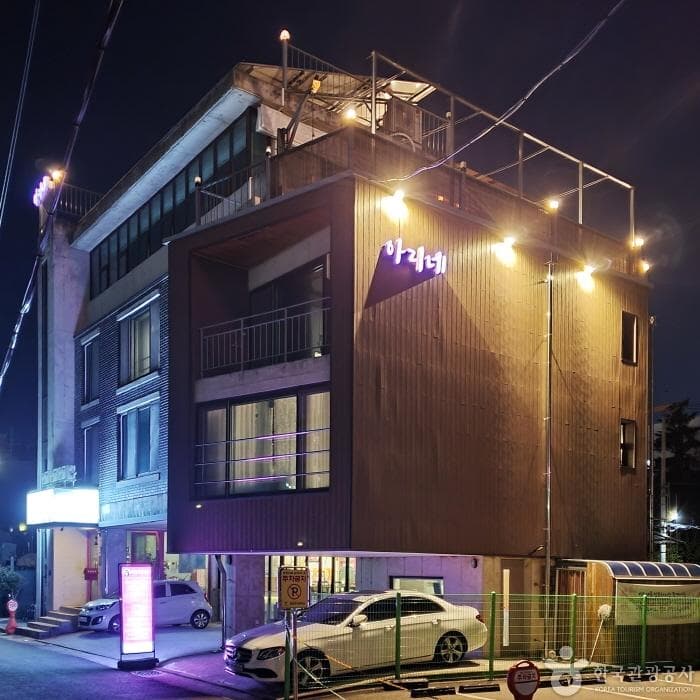
Hanmir image

Hanmir

Hanmir is a Korea Plus Eat & Shop guide for planning a useful stop in Jeollanam-do. The goal is not to repeat a short API summary, but to turn the listing into a readable visitor plan: what kind of stop it is, how it can fit into a day, and what you should confirm before going. Use this page when you need a realistic meal, cafe break, market browse, or shopping pause near your route. A good Eat & Shop plan should support the day rather than take over the whole itinerary, so this guide focuses on location, timing, expectations, backup planning, and simple decision points for international visitors. Before you go, save the name and address in a map app, check the most recent hours or last-order rules, and keep one nearby alternative ready. Menus, stock, reservations, prices, and temporary closures can change quickly, especially around weekends, holidays, weather shifts, and peak dining hours. ## Why Visit - It gives you a concrete restaurant idea in Jeollanam-do without starting from a blank map search. - It can work as a meal anchor, coffee break, dessert stop, market browse, or shopping errand between bigger sightseeing plans. - It helps you plan around real travel friction: walking distance, crowding, payment, language comfort, and whether the stop is worth the detour. - It is easier to enjoy when paired with one nearby attraction, one rest stop, and a flexible backup instead of a packed schedule. ## What To Expect Treat this as a meal or snack anchor. Check whether it is better for lunch, dinner, solo dining, groups, quick ordering, or a slower sit-down meal before building the rest of the route around it. If you are traveling with other people, agree on the purpose of the stop first. Some visitors want a photo-friendly place, some want a specific dish, some want efficient shopping, and some simply need a comfortable break. Clear expectations make the route smoother. ## Planning Notes - Save the Korean and English place name if available, plus the address. - Check current hours, last order, reservation rules, break time, and holiday closures. - Card payment is common in Korea, but small markets, pop-ups, and older vendors can vary. - Keep a translation app ready for menu questions, allergies, tax refund requests, or directions. - If the stop is crowded or closed, switch to your saved backup and keep the route simple. ## Suggested Pairing Pair Hanmir with a nearby neighborhood walk instead of crossing the city for only one stop. In Jeollanam-do, Eat & Shop plans usually work best when a cafe, restaurant, market, or shop is close to another attraction, transit hub, park, museum, or shopping street. For cafes and restaurants, leave enough time for queues, ordering, and a relaxed break. For markets and shops, allow time to browse without making the day feel rushed. Weather also matters: rainy days favor indoor cafes and malls, while clear days make markets, streets, and coastal routes easier to enjoy. ## Final Tips Keep this as a flexible stop, not a rigid appointment. Confirm the latest information, save the address, prepare a short translated request if needed, and choose one nearby backup before leaving. That small bit of planning makes Eat & Shop stops feel like a useful part of the trip rather than a stressful detour.
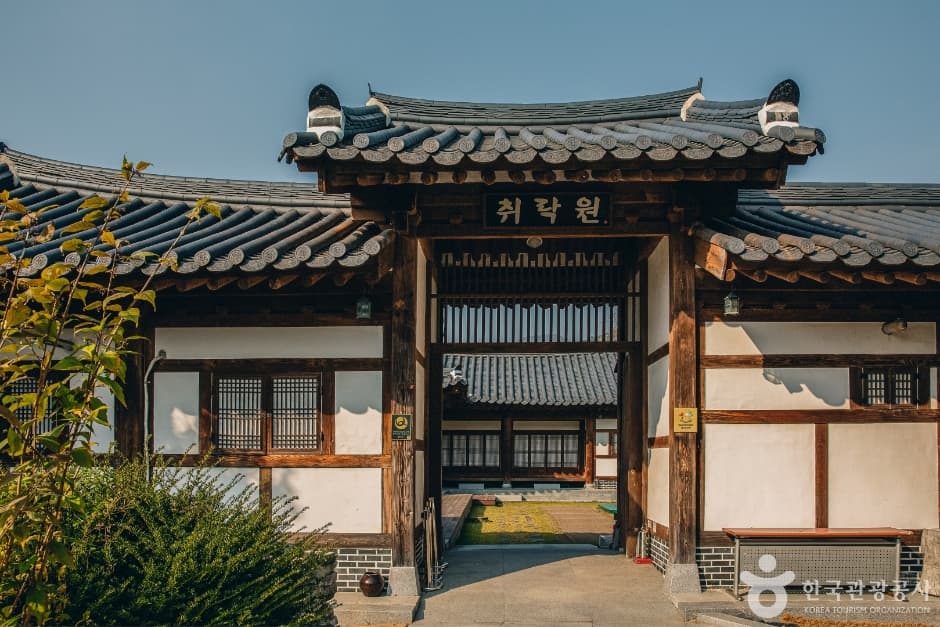
Indongju Maeul image

Indongju Maeul

Indongju Maeul is a Korea Plus Eat & Shop guide for planning a useful stop in Jeollanam-do. The goal is not to repeat a short API summary, but to turn the listing into a readable visitor plan: what kind of stop it is, how it can fit into a day, and what you should confirm before going. Use this page when you need a realistic meal, cafe break, market browse, or shopping pause near your route. A good Eat & Shop plan should support the day rather than take over the whole itinerary, so this guide focuses on location, timing, expectations, backup planning, and simple decision points for international visitors. Before you go, save the name and address in a map app, check the most recent hours or last-order rules, and keep one nearby alternative ready. Menus, stock, reservations, prices, and temporary closures can change quickly, especially around weekends, holidays, weather shifts, and peak dining hours. ## Why Visit - It gives you a concrete restaurant idea in Jeollanam-do without starting from a blank map search. - It can work as a meal anchor, coffee break, dessert stop, market browse, or shopping errand between bigger sightseeing plans. - It helps you plan around real travel friction: walking distance, crowding, payment, language comfort, and whether the stop is worth the detour. - It is easier to enjoy when paired with one nearby attraction, one rest stop, and a flexible backup instead of a packed schedule. ## What To Expect Treat this as a meal or snack anchor. Check whether it is better for lunch, dinner, solo dining, groups, quick ordering, or a slower sit-down meal before building the rest of the route around it. If you are traveling with other people, agree on the purpose of the stop first. Some visitors want a photo-friendly place, some want a specific dish, some want efficient shopping, and some simply need a comfortable break. Clear expectations make the route smoother. ## Planning Notes - Save the Korean and English place name if available, plus the address. - Check current hours, last order, reservation rules, break time, and holiday closures. - Card payment is common in Korea, but small markets, pop-ups, and older vendors can vary. - Keep a translation app ready for menu questions, allergies, tax refund requests, or directions. - If the stop is crowded or closed, switch to your saved backup and keep the route simple. ## Suggested Pairing Pair Indongju Maeul with a nearby neighborhood walk instead of crossing the city for only one stop. In Jeollanam-do, Eat & Shop plans usually work best when a cafe, restaurant, market, or shop is close to another attraction, transit hub, park, museum, or shopping street. For cafes and restaurants, leave enough time for queues, ordering, and a relaxed break. For markets and shops, allow time to browse without making the day feel rushed. Weather also matters: rainy days favor indoor cafes and malls, while clear days make markets, streets, and coastal routes easier to enjoy. ## Final Tips Keep this as a flexible stop, not a rigid appointment. Confirm the latest information, save the address, prepare a short translated request if needed, and choose one nearby backup before leaving. That small bit of planning makes Eat & Shop stops feel like a useful part of the trip rather than a stressful detour.
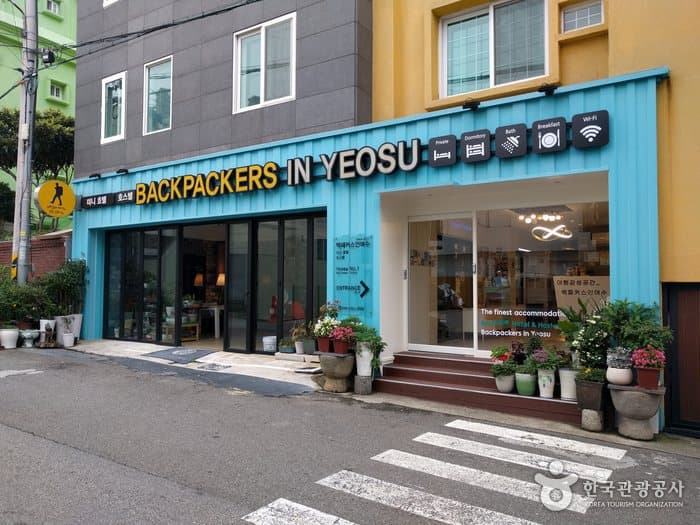
Chadeokbun Yeongjongdo Main Branch image

Chadeokbun Yeongjongdo Main Branch

Chadeokbun Yeongjongdo Main Branch is a Korea Plus Eat & Shop guide for planning a useful stop in Incheon. The goal is not to repeat a short API summary, but to turn the listing into a readable visitor plan: what kind of stop it is, how it can fit into a day, and what you should confirm before going. Use this page when you need a realistic meal, cafe break, market browse, or shopping pause near your route. A good Eat & Shop plan should support the day rather than take over the whole itinerary, so this guide focuses on location, timing, expectations, backup planning, and simple decision points for international visitors. Before you go, save the name and address in a map app, check the most recent hours or last-order rules, and keep one nearby alternative ready. Menus, stock, reservations, prices, and temporary closures can change quickly, especially around weekends, holidays, weather shifts, and peak dining hours. ## Why Visit - It gives you a concrete cafe idea in Incheon without starting from a blank map search. - It can work as a meal anchor, coffee break, dessert stop, market browse, or shopping errand between bigger sightseeing plans. - It helps you plan around real travel friction: walking distance, crowding, payment, language comfort, and whether the stop is worth the detour. - It is easier to enjoy when paired with one nearby attraction, one rest stop, and a flexible backup instead of a packed schedule. ## What To Expect Treat this as a coffee, dessert, bakery, brunch, or quiet reset stop. Cafes are useful for slowing down the day, checking maps, organizing photos, and deciding whether to keep exploring the same district. If you are traveling with other people, agree on the purpose of the stop first. Some visitors want a photo-friendly place, some want a specific dish, some want efficient shopping, and some simply need a comfortable break. Clear expectations make the route smoother. ## Planning Notes - Save the Korean and English place name if available, plus the address. - Check current hours, last order, reservation rules, break time, and holiday closures. - Card payment is common in Korea, but small markets, pop-ups, and older vendors can vary. - Keep a translation app ready for menu questions, allergies, tax refund requests, or directions. - If the stop is crowded or closed, switch to your saved backup and keep the route simple. ## Suggested Pairing Pair Chadeokbun Yeongjongdo Main Branch with a nearby neighborhood walk instead of crossing the city for only one stop. In Incheon, Eat & Shop plans usually work best when a cafe, restaurant, market, or shop is close to another attraction, transit hub, park, museum, or shopping street. For cafes and restaurants, leave enough time for queues, ordering, and a relaxed break. For markets and shops, allow time to browse without making the day feel rushed. Weather also matters: rainy days favor indoor cafes and malls, while clear days make markets, streets, and coastal routes easier to enjoy. ## Final Tips Keep this as a flexible stop, not a rigid appointment. Confirm the latest information, save the address, prepare a short translated request if needed, and choose one nearby backup before leaving. That small bit of planning makes Eat & Shop stops feel like a useful part of the trip rather than a stressful detour.
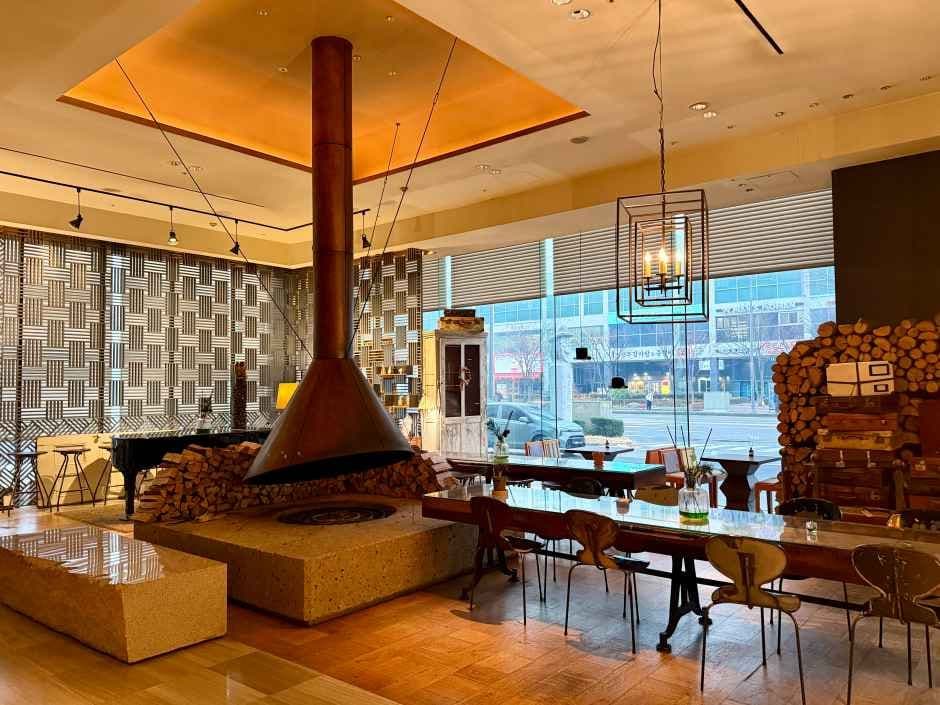
Myeongpum Jeonbokgung image

Myeongpum Jeonbokgung

Myeongpum Jeonbokgung is a Korea Plus Eat & Shop guide for planning a useful stop in Jeollanam-do. The goal is not to repeat a short API summary, but to turn the listing into a readable visitor plan: what kind of stop it is, how it can fit into a day, and what you should confirm before going. Use this page when you need a realistic meal, cafe break, market browse, or shopping pause near your route. A good Eat & Shop plan should support the day rather than take over the whole itinerary, so this guide focuses on location, timing, expectations, backup planning, and simple decision points for international visitors. Before you go, save the name and address in a map app, check the most recent hours or last-order rules, and keep one nearby alternative ready. Menus, stock, reservations, prices, and temporary closures can change quickly, especially around weekends, holidays, weather shifts, and peak dining hours. ## Why Visit - It gives you a concrete restaurant idea in Jeollanam-do without starting from a blank map search. - It can work as a meal anchor, coffee break, dessert stop, market browse, or shopping errand between bigger sightseeing plans. - It helps you plan around real travel friction: walking distance, crowding, payment, language comfort, and whether the stop is worth the detour. - It is easier to enjoy when paired with one nearby attraction, one rest stop, and a flexible backup instead of a packed schedule. ## What To Expect Treat this as a meal or snack anchor. Check whether it is better for lunch, dinner, solo dining, groups, quick ordering, or a slower sit-down meal before building the rest of the route around it. If you are traveling with other people, agree on the purpose of the stop first. Some visitors want a photo-friendly place, some want a specific dish, some want efficient shopping, and some simply need a comfortable break. Clear expectations make the route smoother. ## Planning Notes - Save the Korean and English place name if available, plus the address. - Check current hours, last order, reservation rules, break time, and holiday closures. - Card payment is common in Korea, but small markets, pop-ups, and older vendors can vary. - Keep a translation app ready for menu questions, allergies, tax refund requests, or directions. - If the stop is crowded or closed, switch to your saved backup and keep the route simple. ## Suggested Pairing Pair Myeongpum Jeonbokgung with a nearby neighborhood walk instead of crossing the city for only one stop. In Jeollanam-do, Eat & Shop plans usually work best when a cafe, restaurant, market, or shop is close to another attraction, transit hub, park, museum, or shopping street. For cafes and restaurants, leave enough time for queues, ordering, and a relaxed break. For markets and shops, allow time to browse without making the day feel rushed. Weather also matters: rainy days favor indoor cafes and malls, while clear days make markets, streets, and coastal routes easier to enjoy. ## Final Tips Keep this as a flexible stop, not a rigid appointment. Confirm the latest information, save the address, prepare a short translated request if needed, and choose one nearby backup before leaving. That small bit of planning makes Eat & Shop stops feel like a useful part of the trip rather than a stressful detour.
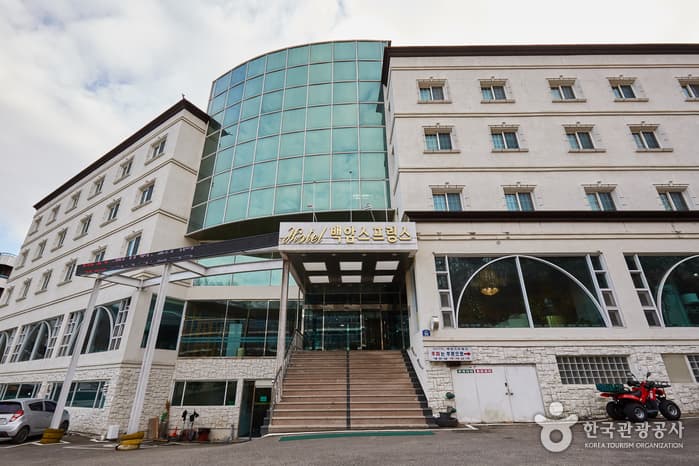
Donsadon Main Store image

Donsadon Main Store

Donsadon Main Store is a Korea Plus Eat & Shop guide for planning a useful stop in Jeju. The goal is not to repeat a short API summary, but to turn the listing into a readable visitor plan: what kind of stop it is, how it can fit into a day, and what you should confirm before going. Use this page when you need a realistic meal, cafe break, market browse, or shopping pause near your route. A good Eat & Shop plan should support the day rather than take over the whole itinerary, so this guide focuses on location, timing, expectations, backup planning, and simple decision points for international visitors. Before you go, save the name and address in a map app, check the most recent hours or last-order rules, and keep one nearby alternative ready. Menus, stock, reservations, prices, and temporary closures can change quickly, especially around weekends, holidays, weather shifts, and peak dining hours. ## Why Visit - It gives you a concrete restaurant idea in Jeju without starting from a blank map search. - It can work as a meal anchor, coffee break, dessert stop, market browse, or shopping errand between bigger sightseeing plans. - It helps you plan around real travel friction: walking distance, crowding, payment, language comfort, and whether the stop is worth the detour. - It is easier to enjoy when paired with one nearby attraction, one rest stop, and a flexible backup instead of a packed schedule. ## What To Expect Treat this as a meal or snack anchor. Check whether it is better for lunch, dinner, solo dining, groups, quick ordering, or a slower sit-down meal before building the rest of the route around it. If you are traveling with other people, agree on the purpose of the stop first. Some visitors want a photo-friendly place, some want a specific dish, some want efficient shopping, and some simply need a comfortable break. Clear expectations make the route smoother. ## Planning Notes - Save the Korean and English place name if available, plus the address. - Check current hours, last order, reservation rules, break time, and holiday closures. - Card payment is common in Korea, but small markets, pop-ups, and older vendors can vary. - Keep a translation app ready for menu questions, allergies, tax refund requests, or directions. - If the stop is crowded or closed, switch to your saved backup and keep the route simple. ## Suggested Pairing Pair Donsadon Main Store with a nearby neighborhood walk instead of crossing the city for only one stop. In Jeju, Eat & Shop plans usually work best when a cafe, restaurant, market, or shop is close to another attraction, transit hub, park, museum, or shopping street. For cafes and restaurants, leave enough time for queues, ordering, and a relaxed break. For markets and shops, allow time to browse without making the day feel rushed. Weather also matters: rainy days favor indoor cafes and malls, while clear days make markets, streets, and coastal routes easier to enjoy. ## Final Tips Keep this as a flexible stop, not a rigid appointment. Confirm the latest information, save the address, prepare a short translated request if needed, and choose one nearby backup before leaving. That small bit of planning makes Eat & Shop stops feel like a useful part of the trip rather than a stressful detour.
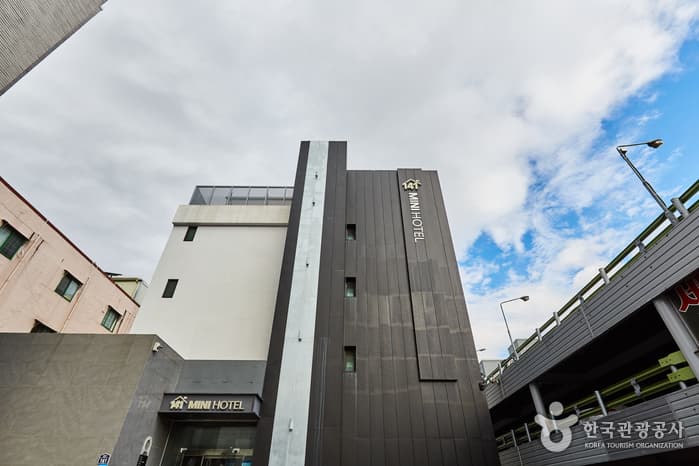
Daebak Hongdo Agujjim image

Daebak Hongdo Agujjim

Daebak Hongdo Agujjim is a Korea Plus Eat & Shop guide for planning a useful stop in Jeollanam-do. The goal is not to repeat a short API summary, but to turn the listing into a readable visitor plan: what kind of stop it is, how it can fit into a day, and what you should confirm before going. Use this page when you need a realistic meal, cafe break, market browse, or shopping pause near your route. A good Eat & Shop plan should support the day rather than take over the whole itinerary, so this guide focuses on location, timing, expectations, backup planning, and simple decision points for international visitors. Before you go, save the name and address in a map app, check the most recent hours or last-order rules, and keep one nearby alternative ready. Menus, stock, reservations, prices, and temporary closures can change quickly, especially around weekends, holidays, weather shifts, and peak dining hours. ## Why Visit - It gives you a concrete restaurant idea in Jeollanam-do without starting from a blank map search. - It can work as a meal anchor, coffee break, dessert stop, market browse, or shopping errand between bigger sightseeing plans. - It helps you plan around real travel friction: walking distance, crowding, payment, language comfort, and whether the stop is worth the detour. - It is easier to enjoy when paired with one nearby attraction, one rest stop, and a flexible backup instead of a packed schedule. ## What To Expect Treat this as a meal or snack anchor. Check whether it is better for lunch, dinner, solo dining, groups, quick ordering, or a slower sit-down meal before building the rest of the route around it. If you are traveling with other people, agree on the purpose of the stop first. Some visitors want a photo-friendly place, some want a specific dish, some want efficient shopping, and some simply need a comfortable break. Clear expectations make the route smoother. ## Planning Notes - Save the Korean and English place name if available, plus the address. - Check current hours, last order, reservation rules, break time, and holiday closures. - Card payment is common in Korea, but small markets, pop-ups, and older vendors can vary. - Keep a translation app ready for menu questions, allergies, tax refund requests, or directions. - If the stop is crowded or closed, switch to your saved backup and keep the route simple. ## Suggested Pairing Pair Daebak Hongdo Agujjim with a nearby neighborhood walk instead of crossing the city for only one stop. In Jeollanam-do, Eat & Shop plans usually work best when a cafe, restaurant, market, or shop is close to another attraction, transit hub, park, museum, or shopping street. For cafes and restaurants, leave enough time for queues, ordering, and a relaxed break. For markets and shops, allow time to browse without making the day feel rushed. Weather also matters: rainy days favor indoor cafes and malls, while clear days make markets, streets, and coastal routes easier to enjoy. ## Final Tips Keep this as a flexible stop, not a rigid appointment. Confirm the latest information, save the address, prepare a short translated request if needed, and choose one nearby backup before leaving. That small bit of planning makes Eat & Shop stops feel like a useful part of the trip rather than a stressful detour.
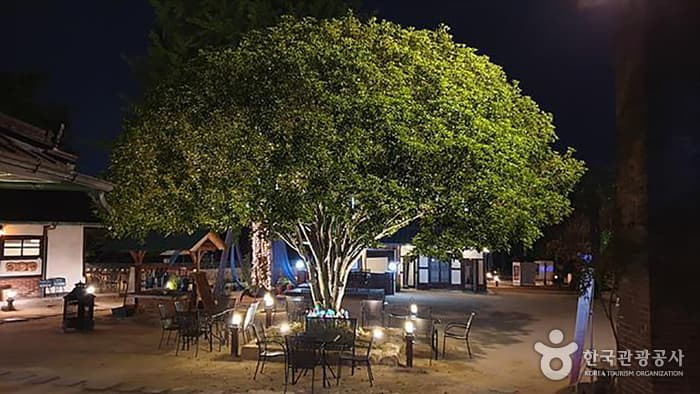
Goum image

Goum

Goum is a Korea Plus Eat & Shop guide for planning a useful stop in Seoul. The goal is not to repeat a short API summary, but to turn the listing into a readable visitor plan: what kind of stop it is, how it can fit into a day, and what you should confirm before going. Use this page when you need a realistic meal, cafe break, market browse, or shopping pause near your route. A good Eat & Shop plan should support the day rather than take over the whole itinerary, so this guide focuses on location, timing, expectations, backup planning, and simple decision points for international visitors. Before you go, save the name and address in a map app, check the most recent hours or last-order rules, and keep one nearby alternative ready. Menus, stock, reservations, prices, and temporary closures can change quickly, especially around weekends, holidays, weather shifts, and peak dining hours. ## Why Visit - It gives you a concrete restaurant idea in Seoul without starting from a blank map search. - It can work as a meal anchor, coffee break, dessert stop, market browse, or shopping errand between bigger sightseeing plans. - It helps you plan around real travel friction: walking distance, crowding, payment, language comfort, and whether the stop is worth the detour. - It is easier to enjoy when paired with one nearby attraction, one rest stop, and a flexible backup instead of a packed schedule. ## What To Expect Treat this as a meal or snack anchor. Check whether it is better for lunch, dinner, solo dining, groups, quick ordering, or a slower sit-down meal before building the rest of the route around it. If you are traveling with other people, agree on the purpose of the stop first. Some visitors want a photo-friendly place, some want a specific dish, some want efficient shopping, and some simply need a comfortable break. Clear expectations make the route smoother. ## Planning Notes - Save the Korean and English place name if available, plus the address. - Check current hours, last order, reservation rules, break time, and holiday closures. - Card payment is common in Korea, but small markets, pop-ups, and older vendors can vary. - Keep a translation app ready for menu questions, allergies, tax refund requests, or directions. - If the stop is crowded or closed, switch to your saved backup and keep the route simple. ## Suggested Pairing Pair Goum with a nearby neighborhood walk instead of crossing the city for only one stop. In Seoul, Eat & Shop plans usually work best when a cafe, restaurant, market, or shop is close to another attraction, transit hub, park, museum, or shopping street. For cafes and restaurants, leave enough time for queues, ordering, and a relaxed break. For markets and shops, allow time to browse without making the day feel rushed. Weather also matters: rainy days favor indoor cafes and malls, while clear days make markets, streets, and coastal routes easier to enjoy. ## Final Tips Keep this as a flexible stop, not a rigid appointment. Confirm the latest information, save the address, prepare a short translated request if needed, and choose one nearby backup before leaving. That small bit of planning makes Eat & Shop stops feel like a useful part of the trip rather than a stressful detour.
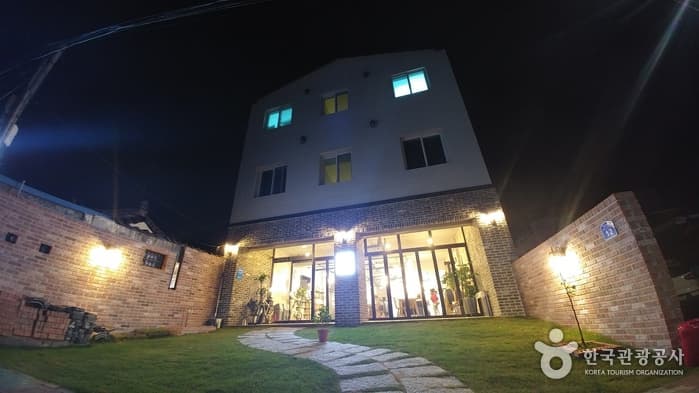
Taehwawon image

Taehwawon

Taehwawon is a Korea Plus Eat & Shop guide for planning a useful stop in Incheon. The goal is not to repeat a short API summary, but to turn the listing into a readable visitor plan: what kind of stop it is, how it can fit into a day, and what you should confirm before going. Use this page when you need a realistic meal, cafe break, market browse, or shopping pause near your route. A good Eat & Shop plan should support the day rather than take over the whole itinerary, so this guide focuses on location, timing, expectations, backup planning, and simple decision points for international visitors. Before you go, save the name and address in a map app, check the most recent hours or last-order rules, and keep one nearby alternative ready. Menus, stock, reservations, prices, and temporary closures can change quickly, especially around weekends, holidays, weather shifts, and peak dining hours. ## Why Visit - It gives you a concrete restaurant idea in Incheon without starting from a blank map search. - It can work as a meal anchor, coffee break, dessert stop, market browse, or shopping errand between bigger sightseeing plans. - It helps you plan around real travel friction: walking distance, crowding, payment, language comfort, and whether the stop is worth the detour. - It is easier to enjoy when paired with one nearby attraction, one rest stop, and a flexible backup instead of a packed schedule. ## What To Expect Treat this as a meal or snack anchor. Check whether it is better for lunch, dinner, solo dining, groups, quick ordering, or a slower sit-down meal before building the rest of the route around it. If you are traveling with other people, agree on the purpose of the stop first. Some visitors want a photo-friendly place, some want a specific dish, some want efficient shopping, and some simply need a comfortable break. Clear expectations make the route smoother. ## Planning Notes - Save the Korean and English place name if available, plus the address. - Check current hours, last order, reservation rules, break time, and holiday closures. - Card payment is common in Korea, but small markets, pop-ups, and older vendors can vary. - Keep a translation app ready for menu questions, allergies, tax refund requests, or directions. - If the stop is crowded or closed, switch to your saved backup and keep the route simple. ## Suggested Pairing Pair Taehwawon with a nearby neighborhood walk instead of crossing the city for only one stop. In Incheon, Eat & Shop plans usually work best when a cafe, restaurant, market, or shop is close to another attraction, transit hub, park, museum, or shopping street. For cafes and restaurants, leave enough time for queues, ordering, and a relaxed break. For markets and shops, allow time to browse without making the day feel rushed. Weather also matters: rainy days favor indoor cafes and malls, while clear days make markets, streets, and coastal routes easier to enjoy. ## Final Tips Keep this as a flexible stop, not a rigid appointment. Confirm the latest information, save the address, prepare a short translated request if needed, and choose one nearby backup before leaving. That small bit of planning makes Eat & Shop stops feel like a useful part of the trip rather than a stressful detour.
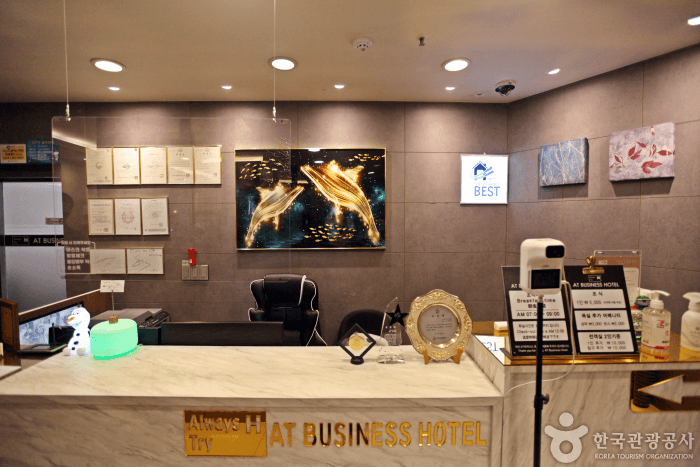
Tea Therapy image

Tea Therapy

Tea Therapy is a Korea Plus Eat & Shop guide for planning a useful stop in Seoul. The goal is not to repeat a short API summary, but to turn the listing into a readable visitor plan: what kind of stop it is, how it can fit into a day, and what you should confirm before going. Use this page when you need a realistic meal, cafe break, market browse, or shopping pause near your route. A good Eat & Shop plan should support the day rather than take over the whole itinerary, so this guide focuses on location, timing, expectations, backup planning, and simple decision points for international visitors. Before you go, save the name and address in a map app, check the most recent hours or last-order rules, and keep one nearby alternative ready. Menus, stock, reservations, prices, and temporary closures can change quickly, especially around weekends, holidays, weather shifts, and peak dining hours. ## Why Visit - It gives you a concrete cafe idea in Seoul without starting from a blank map search. - It can work as a meal anchor, coffee break, dessert stop, market browse, or shopping errand between bigger sightseeing plans. - It helps you plan around real travel friction: walking distance, crowding, payment, language comfort, and whether the stop is worth the detour. - It is easier to enjoy when paired with one nearby attraction, one rest stop, and a flexible backup instead of a packed schedule. ## What To Expect Treat this as a coffee, dessert, bakery, brunch, or quiet reset stop. Cafes are useful for slowing down the day, checking maps, organizing photos, and deciding whether to keep exploring the same district. If you are traveling with other people, agree on the purpose of the stop first. Some visitors want a photo-friendly place, some want a specific dish, some want efficient shopping, and some simply need a comfortable break. Clear expectations make the route smoother. ## Planning Notes - Save the Korean and English place name if available, plus the address. - Check current hours, last order, reservation rules, break time, and holiday closures. - Card payment is common in Korea, but small markets, pop-ups, and older vendors can vary. - Keep a translation app ready for menu questions, allergies, tax refund requests, or directions. - If the stop is crowded or closed, switch to your saved backup and keep the route simple. ## Suggested Pairing Pair Tea Therapy with a nearby neighborhood walk instead of crossing the city for only one stop. In Seoul, Eat & Shop plans usually work best when a cafe, restaurant, market, or shop is close to another attraction, transit hub, park, museum, or shopping street. For cafes and restaurants, leave enough time for queues, ordering, and a relaxed break. For markets and shops, allow time to browse without making the day feel rushed. Weather also matters: rainy days favor indoor cafes and malls, while clear days make markets, streets, and coastal routes easier to enjoy. ## Final Tips Keep this as a flexible stop, not a rigid appointment. Confirm the latest information, save the address, prepare a short translated request if needed, and choose one nearby backup before leaving. That small bit of planning makes Eat & Shop stops feel like a useful part of the trip rather than a stressful detour.
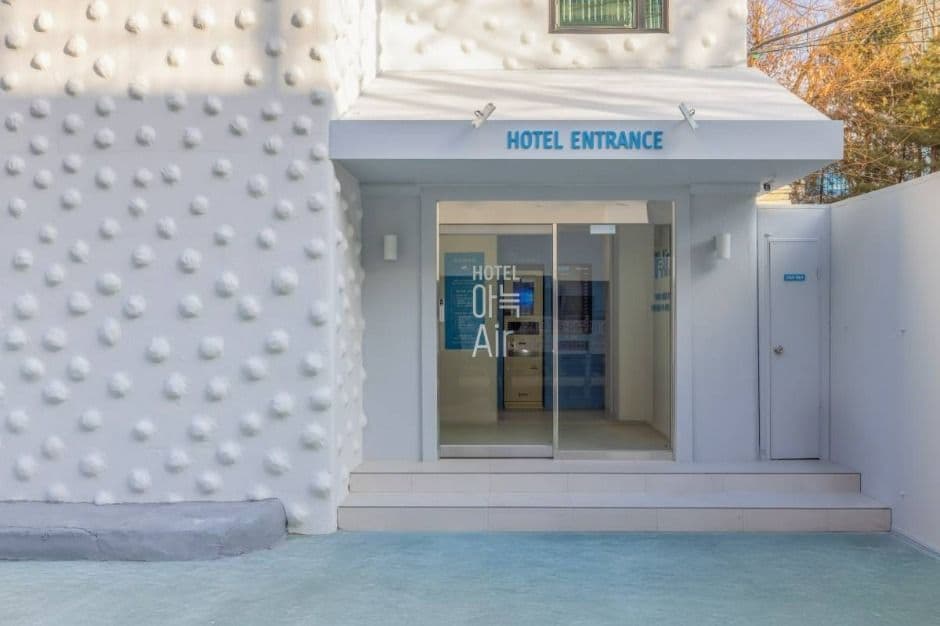
Damyang Apzip image

Damyang Apzip

Damyang Apzip is a Korea Plus Eat & Shop guide for planning a useful stop in Jeollanam-do. The goal is not to repeat a short API summary, but to turn the listing into a readable visitor plan: what kind of stop it is, how it can fit into a day, and what you should confirm before going. Use this page when you need a realistic meal, cafe break, market browse, or shopping pause near your route. A good Eat & Shop plan should support the day rather than take over the whole itinerary, so this guide focuses on location, timing, expectations, backup planning, and simple decision points for international visitors. Before you go, save the name and address in a map app, check the most recent hours or last-order rules, and keep one nearby alternative ready. Menus, stock, reservations, prices, and temporary closures can change quickly, especially around weekends, holidays, weather shifts, and peak dining hours. ## Why Visit - It gives you a concrete restaurant idea in Jeollanam-do without starting from a blank map search. - It can work as a meal anchor, coffee break, dessert stop, market browse, or shopping errand between bigger sightseeing plans. - It helps you plan around real travel friction: walking distance, crowding, payment, language comfort, and whether the stop is worth the detour. - It is easier to enjoy when paired with one nearby attraction, one rest stop, and a flexible backup instead of a packed schedule. ## What To Expect Treat this as a meal or snack anchor. Check whether it is better for lunch, dinner, solo dining, groups, quick ordering, or a slower sit-down meal before building the rest of the route around it. If you are traveling with other people, agree on the purpose of the stop first. Some visitors want a photo-friendly place, some want a specific dish, some want efficient shopping, and some simply need a comfortable break. Clear expectations make the route smoother. ## Planning Notes - Save the Korean and English place name if available, plus the address. - Check current hours, last order, reservation rules, break time, and holiday closures. - Card payment is common in Korea, but small markets, pop-ups, and older vendors can vary. - Keep a translation app ready for menu questions, allergies, tax refund requests, or directions. - If the stop is crowded or closed, switch to your saved backup and keep the route simple. ## Suggested Pairing Pair Damyang Apzip with a nearby neighborhood walk instead of crossing the city for only one stop. In Jeollanam-do, Eat & Shop plans usually work best when a cafe, restaurant, market, or shop is close to another attraction, transit hub, park, museum, or shopping street. For cafes and restaurants, leave enough time for queues, ordering, and a relaxed break. For markets and shops, allow time to browse without making the day feel rushed. Weather also matters: rainy days favor indoor cafes and malls, while clear days make markets, streets, and coastal routes easier to enjoy. ## Final Tips Keep this as a flexible stop, not a rigid appointment. Confirm the latest information, save the address, prepare a short translated request if needed, and choose one nearby backup before leaving. That small bit of planning makes Eat & Shop stops feel like a useful part of the trip rather than a stressful detour.
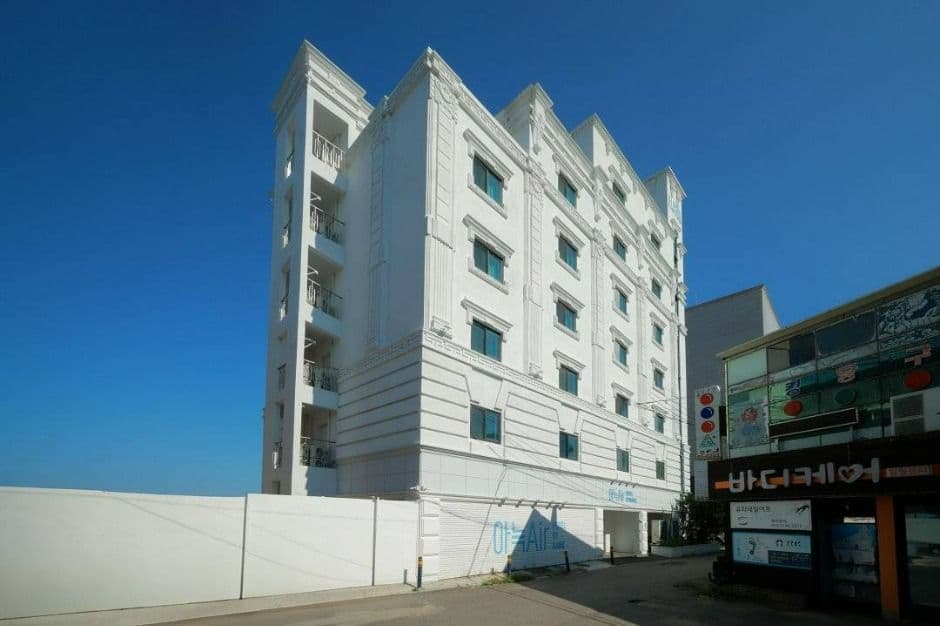
CLB Bakery image

CLB Bakery

CLB Bakery is a Korea Plus Eat & Shop guide for planning a useful stop in Gwangju. The goal is not to repeat a short API summary, but to turn the listing into a readable visitor plan: what kind of stop it is, how it can fit into a day, and what you should confirm before going. Use this page when you need a realistic meal, cafe break, market browse, or shopping pause near your route. A good Eat & Shop plan should support the day rather than take over the whole itinerary, so this guide focuses on location, timing, expectations, backup planning, and simple decision points for international visitors. Before you go, save the name and address in a map app, check the most recent hours or last-order rules, and keep one nearby alternative ready. Menus, stock, reservations, prices, and temporary closures can change quickly, especially around weekends, holidays, weather shifts, and peak dining hours. ## Why Visit - It gives you a concrete cafe idea in Gwangju without starting from a blank map search. - It can work as a meal anchor, coffee break, dessert stop, market browse, or shopping errand between bigger sightseeing plans. - It helps you plan around real travel friction: walking distance, crowding, payment, language comfort, and whether the stop is worth the detour. - It is easier to enjoy when paired with one nearby attraction, one rest stop, and a flexible backup instead of a packed schedule. ## What To Expect Treat this as a coffee, dessert, bakery, brunch, or quiet reset stop. Cafes are useful for slowing down the day, checking maps, organizing photos, and deciding whether to keep exploring the same district. If you are traveling with other people, agree on the purpose of the stop first. Some visitors want a photo-friendly place, some want a specific dish, some want efficient shopping, and some simply need a comfortable break. Clear expectations make the route smoother. ## Planning Notes - Save the Korean and English place name if available, plus the address. - Check current hours, last order, reservation rules, break time, and holiday closures. - Card payment is common in Korea, but small markets, pop-ups, and older vendors can vary. - Keep a translation app ready for menu questions, allergies, tax refund requests, or directions. - If the stop is crowded or closed, switch to your saved backup and keep the route simple. ## Suggested Pairing Pair CLB Bakery with a nearby neighborhood walk instead of crossing the city for only one stop. In Gwangju, Eat & Shop plans usually work best when a cafe, restaurant, market, or shop is close to another attraction, transit hub, park, museum, or shopping street. For cafes and restaurants, leave enough time for queues, ordering, and a relaxed break. For markets and shops, allow time to browse without making the day feel rushed. Weather also matters: rainy days favor indoor cafes and malls, while clear days make markets, streets, and coastal routes easier to enjoy. ## Final Tips Keep this as a flexible stop, not a rigid appointment. Confirm the latest information, save the address, prepare a short translated request if needed, and choose one nearby backup before leaving. That small bit of planning makes Eat & Shop stops feel like a useful part of the trip rather than a stressful detour.
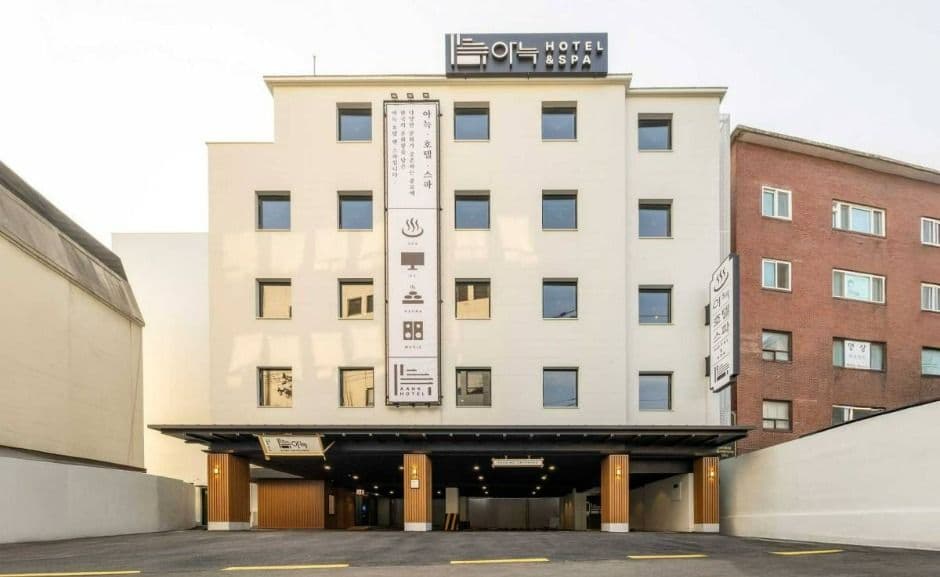
Sinseung Banjeom image

Sinseung Banjeom

Sinseung Banjeom is a Korea Plus Eat & Shop guide for planning a useful stop in Incheon. The goal is not to repeat a short API summary, but to turn the listing into a readable visitor plan: what kind of stop it is, how it can fit into a day, and what you should confirm before going. Use this page when you need a realistic meal, cafe break, market browse, or shopping pause near your route. A good Eat & Shop plan should support the day rather than take over the whole itinerary, so this guide focuses on location, timing, expectations, backup planning, and simple decision points for international visitors. Before you go, save the name and address in a map app, check the most recent hours or last-order rules, and keep one nearby alternative ready. Menus, stock, reservations, prices, and temporary closures can change quickly, especially around weekends, holidays, weather shifts, and peak dining hours. ## Why Visit - It gives you a concrete restaurant idea in Incheon without starting from a blank map search. - It can work as a meal anchor, coffee break, dessert stop, market browse, or shopping errand between bigger sightseeing plans. - It helps you plan around real travel friction: walking distance, crowding, payment, language comfort, and whether the stop is worth the detour. - It is easier to enjoy when paired with one nearby attraction, one rest stop, and a flexible backup instead of a packed schedule. ## What To Expect Treat this as a meal or snack anchor. Check whether it is better for lunch, dinner, solo dining, groups, quick ordering, or a slower sit-down meal before building the rest of the route around it. If you are traveling with other people, agree on the purpose of the stop first. Some visitors want a photo-friendly place, some want a specific dish, some want efficient shopping, and some simply need a comfortable break. Clear expectations make the route smoother. ## Planning Notes - Save the Korean and English place name if available, plus the address. - Check current hours, last order, reservation rules, break time, and holiday closures. - Card payment is common in Korea, but small markets, pop-ups, and older vendors can vary. - Keep a translation app ready for menu questions, allergies, tax refund requests, or directions. - If the stop is crowded or closed, switch to your saved backup and keep the route simple. ## Suggested Pairing Pair Sinseung Banjeom with a nearby neighborhood walk instead of crossing the city for only one stop. In Incheon, Eat & Shop plans usually work best when a cafe, restaurant, market, or shop is close to another attraction, transit hub, park, museum, or shopping street. For cafes and restaurants, leave enough time for queues, ordering, and a relaxed break. For markets and shops, allow time to browse without making the day feel rushed. Weather also matters: rainy days favor indoor cafes and malls, while clear days make markets, streets, and coastal routes easier to enjoy. ## Final Tips Keep this as a flexible stop, not a rigid appointment. Confirm the latest information, save the address, prepare a short translated request if needed, and choose one nearby backup before leaving. That small bit of planning makes Eat & Shop stops feel like a useful part of the trip rather than a stressful detour.
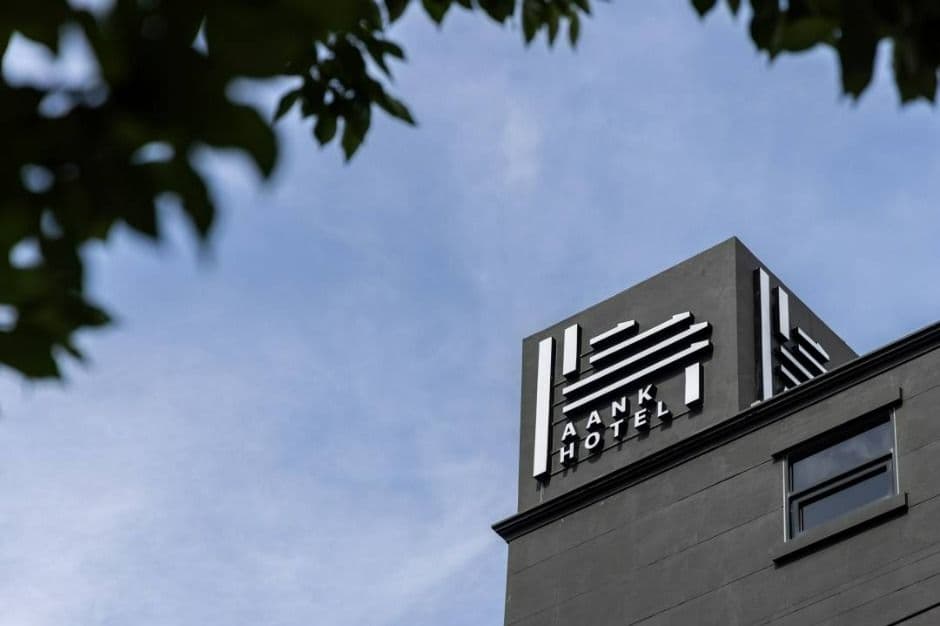
Leesungdang image

Leesungdang

Leesungdang is a Korea Plus Eat & Shop guide for planning a useful stop in Korea. The goal is not to repeat a short API summary, but to turn the listing into a readable visitor plan: what kind of stop it is, how it can fit into a day, and what you should confirm before going. Use this page when you need a realistic meal, cafe break, market browse, or shopping pause near your route. A good Eat & Shop plan should support the day rather than take over the whole itinerary, so this guide focuses on location, timing, expectations, backup planning, and simple decision points for international visitors. Before you go, save the name and address in a map app, check the most recent hours or last-order rules, and keep one nearby alternative ready. Menus, stock, reservations, prices, and temporary closures can change quickly, especially around weekends, holidays, weather shifts, and peak dining hours. ## Why Visit - It gives you a concrete cafe idea in Korea without starting from a blank map search. - It can work as a meal anchor, coffee break, dessert stop, market browse, or shopping errand between bigger sightseeing plans. - It helps you plan around real travel friction: walking distance, crowding, payment, language comfort, and whether the stop is worth the detour. - It is easier to enjoy when paired with one nearby attraction, one rest stop, and a flexible backup instead of a packed schedule. ## What To Expect Treat this as a coffee, dessert, bakery, brunch, or quiet reset stop. Cafes are useful for slowing down the day, checking maps, organizing photos, and deciding whether to keep exploring the same district. If you are traveling with other people, agree on the purpose of the stop first. Some visitors want a photo-friendly place, some want a specific dish, some want efficient shopping, and some simply need a comfortable break. Clear expectations make the route smoother. ## Planning Notes - Save the Korean and English place name if available, plus the address. - Check current hours, last order, reservation rules, break time, and holiday closures. - Card payment is common in Korea, but small markets, pop-ups, and older vendors can vary. - Keep a translation app ready for menu questions, allergies, tax refund requests, or directions. - If the stop is crowded or closed, switch to your saved backup and keep the route simple. ## Suggested Pairing Pair Leesungdang with a nearby neighborhood walk instead of crossing the city for only one stop. In Korea, Eat & Shop plans usually work best when a cafe, restaurant, market, or shop is close to another attraction, transit hub, park, museum, or shopping street. For cafes and restaurants, leave enough time for queues, ordering, and a relaxed break. For markets and shops, allow time to browse without making the day feel rushed. Weather also matters: rainy days favor indoor cafes and malls, while clear days make markets, streets, and coastal routes easier to enjoy. ## Final Tips Keep this as a flexible stop, not a rigid appointment. Confirm the latest information, save the address, prepare a short translated request if needed, and choose one nearby backup before leaving. That small bit of planning makes Eat & Shop stops feel like a useful part of the trip rather than a stressful detour.
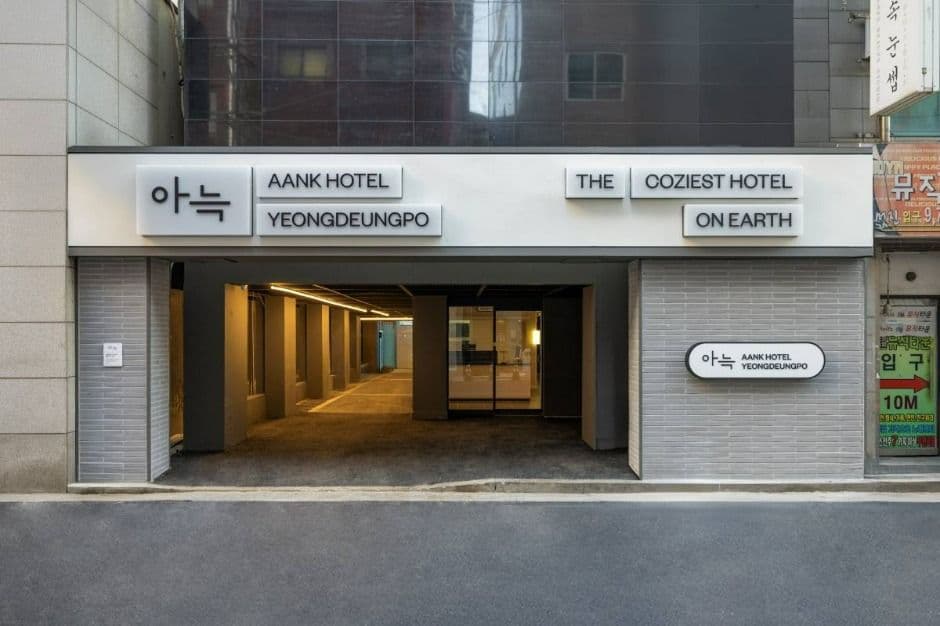
Sooyeon Sanbang image

Sooyeon Sanbang

Sooyeon Sanbang is a Korea Plus Eat & Shop guide for planning a useful stop in Seoul. The goal is not to repeat a short API summary, but to turn the listing into a readable visitor plan: what kind of stop it is, how it can fit into a day, and what you should confirm before going. Use this page when you need a realistic meal, cafe break, market browse, or shopping pause near your route. A good Eat & Shop plan should support the day rather than take over the whole itinerary, so this guide focuses on location, timing, expectations, backup planning, and simple decision points for international visitors. Before you go, save the name and address in a map app, check the most recent hours or last-order rules, and keep one nearby alternative ready. Menus, stock, reservations, prices, and temporary closures can change quickly, especially around weekends, holidays, weather shifts, and peak dining hours. ## Why Visit - It gives you a concrete cafe idea in Seoul without starting from a blank map search. - It can work as a meal anchor, coffee break, dessert stop, market browse, or shopping errand between bigger sightseeing plans. - It helps you plan around real travel friction: walking distance, crowding, payment, language comfort, and whether the stop is worth the detour. - It is easier to enjoy when paired with one nearby attraction, one rest stop, and a flexible backup instead of a packed schedule. ## What To Expect Treat this as a coffee, dessert, bakery, brunch, or quiet reset stop. Cafes are useful for slowing down the day, checking maps, organizing photos, and deciding whether to keep exploring the same district. If you are traveling with other people, agree on the purpose of the stop first. Some visitors want a photo-friendly place, some want a specific dish, some want efficient shopping, and some simply need a comfortable break. Clear expectations make the route smoother. ## Planning Notes - Save the Korean and English place name if available, plus the address. - Check current hours, last order, reservation rules, break time, and holiday closures. - Card payment is common in Korea, but small markets, pop-ups, and older vendors can vary. - Keep a translation app ready for menu questions, allergies, tax refund requests, or directions. - If the stop is crowded or closed, switch to your saved backup and keep the route simple. ## Suggested Pairing Pair Sooyeon Sanbang with a nearby neighborhood walk instead of crossing the city for only one stop. In Seoul, Eat & Shop plans usually work best when a cafe, restaurant, market, or shop is close to another attraction, transit hub, park, museum, or shopping street. For cafes and restaurants, leave enough time for queues, ordering, and a relaxed break. For markets and shops, allow time to browse without making the day feel rushed. Weather also matters: rainy days favor indoor cafes and malls, while clear days make markets, streets, and coastal routes easier to enjoy. ## Final Tips Keep this as a flexible stop, not a rigid appointment. Confirm the latest information, save the address, prepare a short translated request if needed, and choose one nearby backup before leaving. That small bit of planning makes Eat & Shop stops feel like a useful part of the trip rather than a stressful detour.
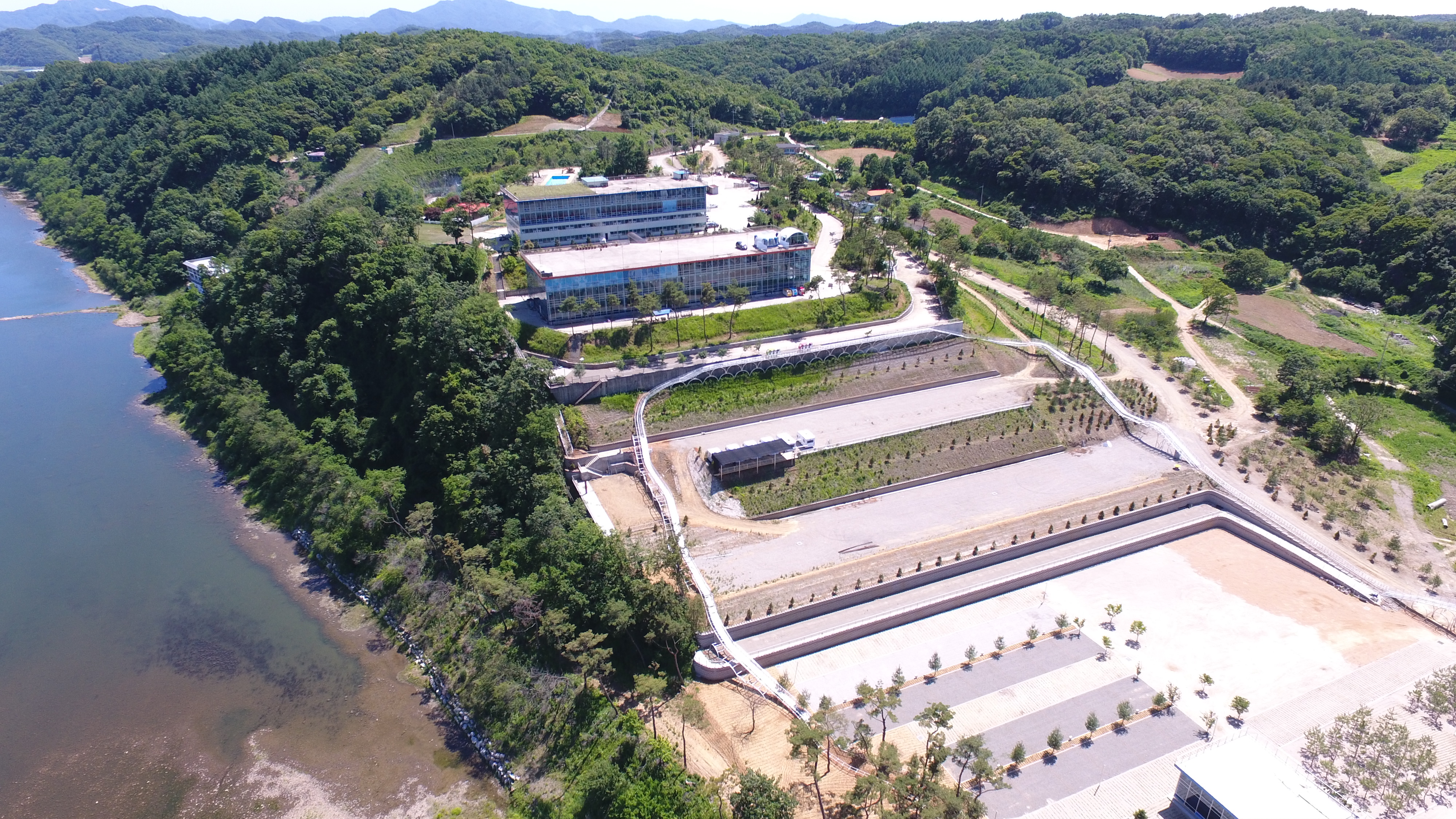
Mimiwon image

Mimiwon

Mimiwon is a Korea Plus Eat & Shop guide for planning a useful stop in Gwangju. The goal is not to repeat a short API summary, but to turn the listing into a readable visitor plan: what kind of stop it is, how it can fit into a day, and what you should confirm before going. Use this page when you need a realistic meal, cafe break, market browse, or shopping pause near your route. A good Eat & Shop plan should support the day rather than take over the whole itinerary, so this guide focuses on location, timing, expectations, backup planning, and simple decision points for international visitors. Before you go, save the name and address in a map app, check the most recent hours or last-order rules, and keep one nearby alternative ready. Menus, stock, reservations, prices, and temporary closures can change quickly, especially around weekends, holidays, weather shifts, and peak dining hours. ## Why Visit - It gives you a concrete restaurant idea in Gwangju without starting from a blank map search. - It can work as a meal anchor, coffee break, dessert stop, market browse, or shopping errand between bigger sightseeing plans. - It helps you plan around real travel friction: walking distance, crowding, payment, language comfort, and whether the stop is worth the detour. - It is easier to enjoy when paired with one nearby attraction, one rest stop, and a flexible backup instead of a packed schedule. ## What To Expect Treat this as a meal or snack anchor. Check whether it is better for lunch, dinner, solo dining, groups, quick ordering, or a slower sit-down meal before building the rest of the route around it. If you are traveling with other people, agree on the purpose of the stop first. Some visitors want a photo-friendly place, some want a specific dish, some want efficient shopping, and some simply need a comfortable break. Clear expectations make the route smoother. ## Planning Notes - Save the Korean and English place name if available, plus the address. - Check current hours, last order, reservation rules, break time, and holiday closures. - Card payment is common in Korea, but small markets, pop-ups, and older vendors can vary. - Keep a translation app ready for menu questions, allergies, tax refund requests, or directions. - If the stop is crowded or closed, switch to your saved backup and keep the route simple. ## Suggested Pairing Pair Mimiwon with a nearby neighborhood walk instead of crossing the city for only one stop. In Gwangju, Eat & Shop plans usually work best when a cafe, restaurant, market, or shop is close to another attraction, transit hub, park, museum, or shopping street. For cafes and restaurants, leave enough time for queues, ordering, and a relaxed break. For markets and shops, allow time to browse without making the day feel rushed. Weather also matters: rainy days favor indoor cafes and malls, while clear days make markets, streets, and coastal routes easier to enjoy. ## Final Tips Keep this as a flexible stop, not a rigid appointment. Confirm the latest information, save the address, prepare a short translated request if needed, and choose one nearby backup before leaving. That small bit of planning makes Eat & Shop stops feel like a useful part of the trip rather than a stressful detour.
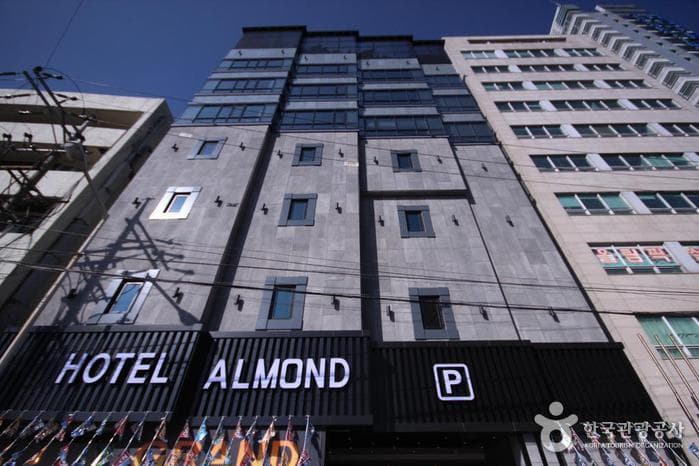
Samdae Incheon Gejang image

Samdae Incheon Gejang

Samdae Incheon Gejang is a Korea Plus Eat & Shop guide for planning a useful stop in Incheon. The goal is not to repeat a short API summary, but to turn the listing into a readable visitor plan: what kind of stop it is, how it can fit into a day, and what you should confirm before going. Use this page when you need a realistic meal, cafe break, market browse, or shopping pause near your route. A good Eat & Shop plan should support the day rather than take over the whole itinerary, so this guide focuses on location, timing, expectations, backup planning, and simple decision points for international visitors. Before you go, save the name and address in a map app, check the most recent hours or last-order rules, and keep one nearby alternative ready. Menus, stock, reservations, prices, and temporary closures can change quickly, especially around weekends, holidays, weather shifts, and peak dining hours. ## Why Visit - It gives you a concrete restaurant idea in Incheon without starting from a blank map search. - It can work as a meal anchor, coffee break, dessert stop, market browse, or shopping errand between bigger sightseeing plans. - It helps you plan around real travel friction: walking distance, crowding, payment, language comfort, and whether the stop is worth the detour. - It is easier to enjoy when paired with one nearby attraction, one rest stop, and a flexible backup instead of a packed schedule. ## What To Expect Treat this as a meal or snack anchor. Check whether it is better for lunch, dinner, solo dining, groups, quick ordering, or a slower sit-down meal before building the rest of the route around it. If you are traveling with other people, agree on the purpose of the stop first. Some visitors want a photo-friendly place, some want a specific dish, some want efficient shopping, and some simply need a comfortable break. Clear expectations make the route smoother. ## Planning Notes - Save the Korean and English place name if available, plus the address. - Check current hours, last order, reservation rules, break time, and holiday closures. - Card payment is common in Korea, but small markets, pop-ups, and older vendors can vary. - Keep a translation app ready for menu questions, allergies, tax refund requests, or directions. - If the stop is crowded or closed, switch to your saved backup and keep the route simple. ## Suggested Pairing Pair Samdae Incheon Gejang with a nearby neighborhood walk instead of crossing the city for only one stop. In Incheon, Eat & Shop plans usually work best when a cafe, restaurant, market, or shop is close to another attraction, transit hub, park, museum, or shopping street. For cafes and restaurants, leave enough time for queues, ordering, and a relaxed break. For markets and shops, allow time to browse without making the day feel rushed. Weather also matters: rainy days favor indoor cafes and malls, while clear days make markets, streets, and coastal routes easier to enjoy. ## Final Tips Keep this as a flexible stop, not a rigid appointment. Confirm the latest information, save the address, prepare a short translated request if needed, and choose one nearby backup before leaving. That small bit of planning makes Eat & Shop stops feel like a useful part of the trip rather than a stressful detour.