Jeju Stone Park
Overview
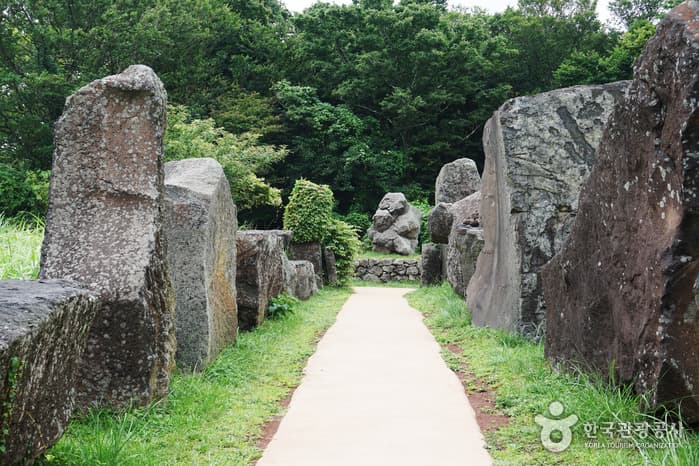
Located in Jocheon-eup, Jeju-si, Jeju Stone Park was inspired by Jeju's culture and applications of stones. The main theme focuses on the foundation and identity of Jeju Island, based on the myth of Seolmundae Halmang (Grandmother Seolmundae), who created Jeju Island and the stones of Obaek Janggun (Five Hundred Generals). The park serves as a historical and cultural space where collected stones respresent Jeju's foundation and culture.
◎ Hallyu Travel Information - Movie
The location that served as the backdrop for Ark, the secret laboratory conducting the Witch Project, is located within Jeju Stone Culture Park. 70% of the park's 1 million pyeong area is Gotjawal, where stones, trees, and vines harmonize, capturing the identity and artistry of Jeju.
Nearby Places
Hoesoodaok
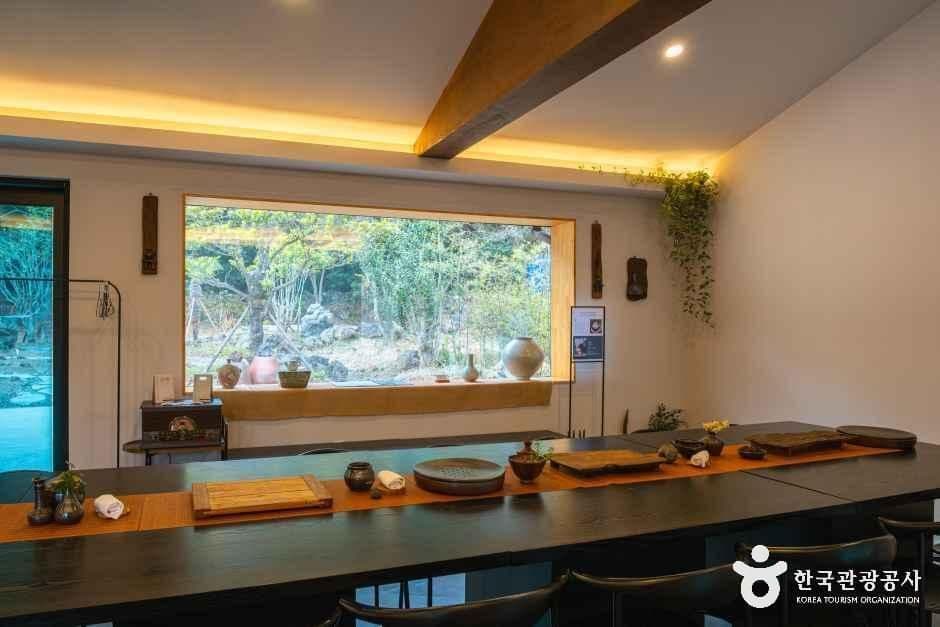
Hoesoodaok is a Korea Plus Eat & Shop guide for planning a useful stop in Jeju. The goal is not to repeat a short API summary, but to turn the listing into a readable visitor plan: what kind of stop it is, how it can fit into a day, and what you should confirm before going. Use this page when you need a realistic meal, cafe break, market browse, or shopping pause near your route. A good Eat & Shop plan should support the day rather than take over the whole itinerary, so this guide focuses on location, timing, expectations, backup planning, and simple decision points for international visitors. Before you go, save the name and address in a map app, check the most recent hours or last-order rules, and keep one nearby alternative ready. Menus, stock, reservations, prices, and temporary closures can change quickly, especially around weekends, holidays, weather shifts, and peak dining hours. ## Why Visit - It gives you a concrete cafe idea in Jeju without starting from a blank map search. - It can work as a meal anchor, coffee break, dessert stop, market browse, or shopping errand between bigger sightseeing plans. - It helps you plan around real travel friction: walking distance, crowding, payment, language comfort, and whether the stop is worth the detour. - It is easier to enjoy when paired with one nearby attraction, one rest stop, and a flexible backup instead of a packed schedule. ## What To Expect Treat this as a coffee, dessert, bakery, brunch, or quiet reset stop. Cafes are useful for slowing down the day, checking maps, organizing photos, and deciding whether to keep exploring the same district. If you are traveling with other people, agree on the purpose of the stop first. Some visitors want a photo-friendly place, some want a specific dish, some want efficient shopping, and some simply need a comfortable break. Clear expectations make the route smoother. ## Planning Notes - Save the Korean and English place name if available, plus the address. - Check current hours, last order, reservation rules, break time, and holiday closures. - Card payment is common in Korea, but small markets, pop-ups, and older vendors can vary. - Keep a translation app ready for menu questions, allergies, tax refund requests, or directions. - If the stop is crowded or closed, switch to your saved backup and keep the route simple. ## Suggested Pairing Pair Hoesoodaok with a nearby neighborhood walk instead of crossing the city for only one stop. In Jeju, Eat & Shop plans usually work best when a cafe, restaurant, market, or shop is close to another attraction, transit hub, park, museum, or shopping street. For cafes and restaurants, leave enough time for queues, ordering, and a relaxed break. For markets and shops, allow time to browse without making the day feel rushed. Weather also matters: rainy days favor indoor cafes and malls, while clear days make markets, streets, and coastal routes easier to enjoy. ## Final Tips Keep this as a flexible stop, not a rigid appointment. Confirm the latest information, save the address, prepare a short translated request if needed, and choose one nearby backup before leaving. That small bit of planning makes Eat & Shop stops feel like a useful part of the trip rather than a stressful detour.
Arario Museum Tapdong Cinema
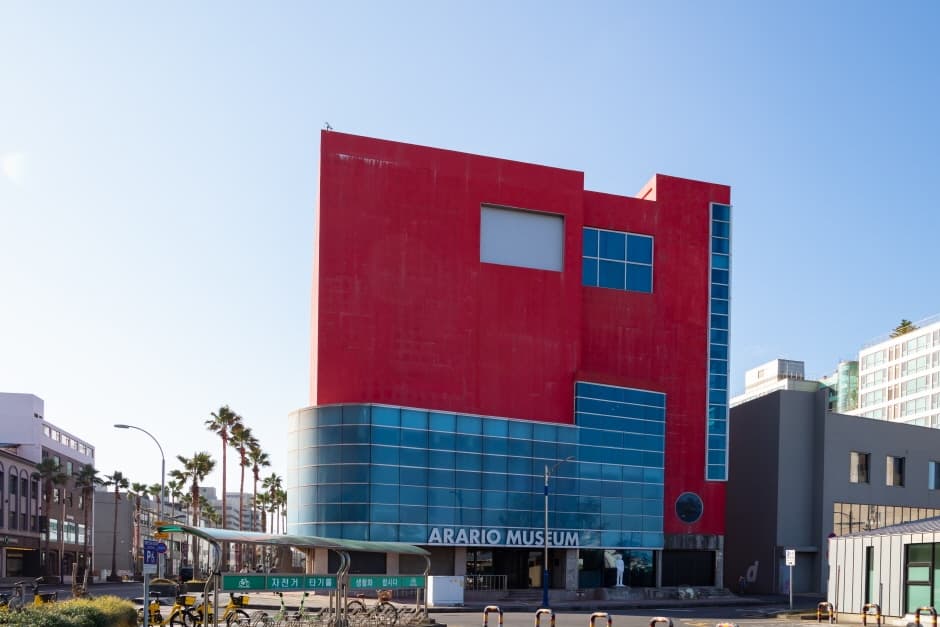
Arario Museum Tapdong Cinema was created by Kim Chang-il, a famous artwork collector in Korea, who reused an abandoned building to make a contemporary art museum. The building did not go through extreme renovation, allowing visitors enjoy the building's original features along with the artworks. The underground floor and four ground floors hold exhibits where visitors can take photographs (flash photography not allowed), and the fifth floor houses a souvenir shop and a cafe where visitors can relax and enjoy panoramic views of the old city center and Tap-dong.
Bijarim Forest
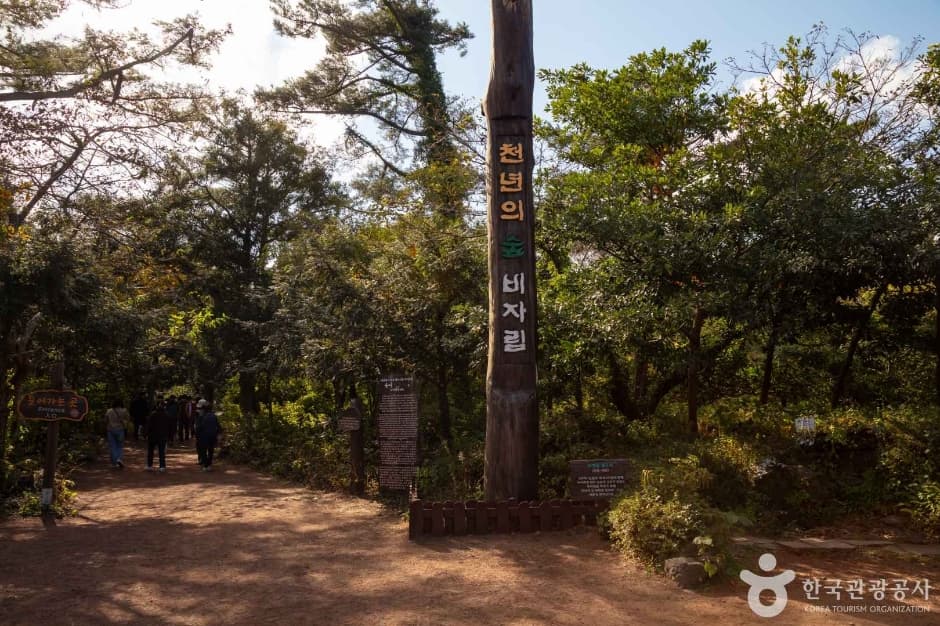
Designated and protected as a Natural Monument, Bijarim Forest is home to 2,800 bija trees, ranging from 500 to 800 years in age, spread over 448,165㎡ land area. These majestic trees range from 7-14 meters in x_height, 50-110 centimeters in diameter, and 10-15 meters in crown x_width, so this forest is quite a rare example of its kind in the world. The berries of bija trees were used widely as a medicine used to kill parasites, while the wood was used to make premium furniture and go boards. Forest bathing in a bija forest helps to combat arteriosclerosis, mitigate physical and psychological fatigue, and restore the body’s rhythm.
Comments 0
NewestBe the first to comment on this Guides.