Korea Plus +
Home
Community
Spotlight
Events
Guides
ActivityEat & ShopRegional GuidesAccommodationLiving guide
Korea Now
Korea Picks
Korea Plus +
HomeCommunitySpotlightEvents
Guides
ActivityEat & ShopRegional GuidesAccommodationLiving guide
Korea NowKorea Picks
Korea Plus +

Korea Plus + helps international visitors and residents find Korea news, events, travel information, history context, and community discussions in English.

Information may change, so always check official sources before booking or visiting.

Support

koreaplus.support@gmail.comTerms of ServicePrivacy PolicyAbout Us@korea.plus_official

Made by

DNA Studio

Insights by

Plugspace
PayPal QR code for supporting Korea Plus +Support Korea Plus +

© 2026 Korea Plus +. All rights reserved.

Guides

Guides

Helpful travel and culture guides for Korea.

Region

All regionsSeoulJejuBusanIncheonJeonnam-GwangjuJeollanam-doGwangjuGyeonggi-doGyeongsangbuk-doGangwon-doGyeongsangnam-doJeollabuk-doKorea
Show fewer regions

Category

All categoriesAccommodationCulture & MuseumsRestaurantNature & ParksCafeAttractionsNeighborhoods & StreetsHeritage & History
Show all categories (12)

Showing 16 of 114 guides

Clear filters
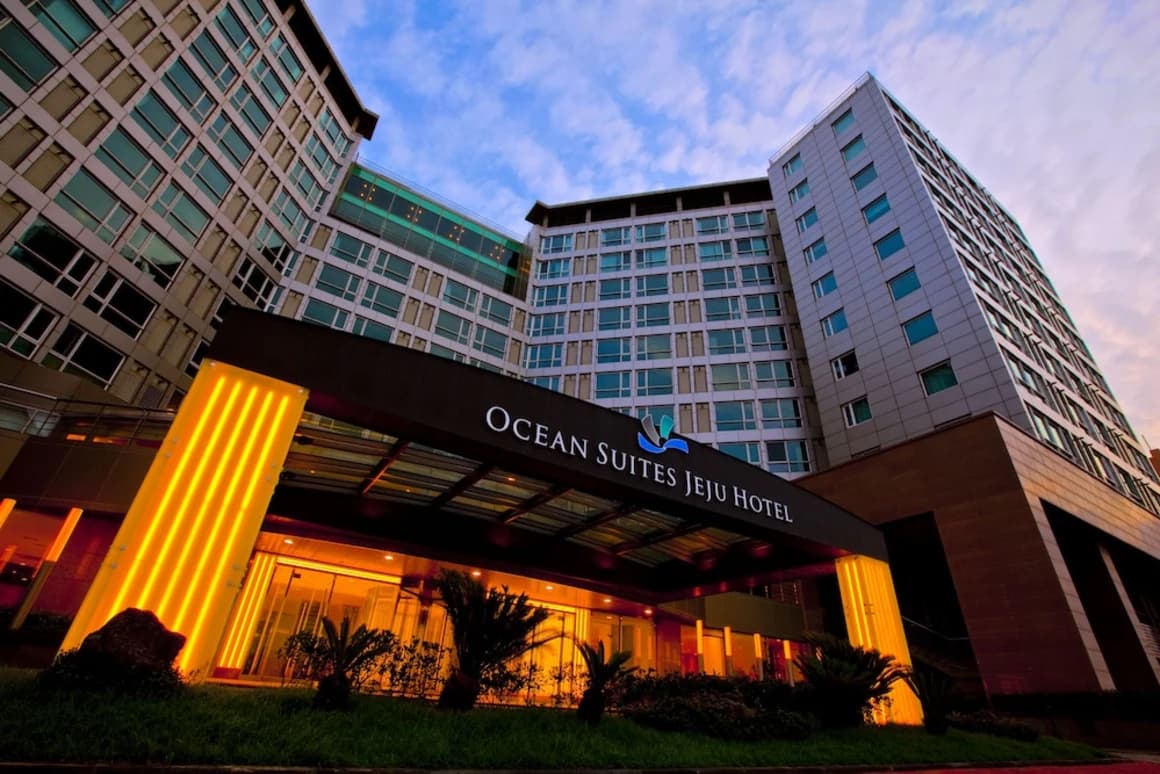
Ocean Suites Jeju Hotel image

Ocean Suites Jeju Hotel

Ocean Suites Jeju Hotel is an accommodation option in Jeju City, Jeju. Korea Plus rewrites the Klook hotel information into a planning-friendly guide instead of leaving it as a short API-style summary. The source listing places the property at 74 Tapdonghaean-ro, with 350 and access notes around Jeju International Airport and central Jeju access. This makes it useful when you want a real hotel page to compare by location, room scale, facilities, and nearby movement rather than only by price. ## Why Stay - Location fit: Oceanfront Jeju City option close to airport, Dongmun Market, Black Pork Street, shopping, eateries, and bus access. - Facilities noted by Klook: Restaurant, free WiFi, fitness center, 24-hour front desk, luggage storage, business center - Nearby reference points: Tapdong Beach Plaza, Dongmun Market, Black Pork Street, airport route - Traveler signal: Klook highlights shuttle service, location, view, staff, dining, and a large review base. ## Location Notes Jeju International Airport and central Jeju access is the main movement reference from the Klook page. Use it as a starting point, then check your own route for airport arrival time, luggage, transfer count, and late-night return plans. In Korea, a hotel that is close to the right subway station or airport route can be more useful than a hotel that is only close to one attraction. ## Booking Notes Check Klook for current room and policy details. Klook policies can vary by room type, date, guest count, age rule, breakfast option, and payment method. Confirm the current cancellation rules, deposits, breakfast fees, parking, child policy, and check-in instructions before booking. ## Good to Know Save the hotel name, address, and booking page before you travel. If you arrive early or late, message or call the property through the booking channel. For a smoother trip, compare this stay with one backup in the same district and one backup near your arrival station or airport route.

New Jeju Hotel image

New Jeju Hotel

New Jeju Hotel is an accommodation option in Nohyeong-dong, Jeju. Korea Plus rewrites the Klook hotel information into a planning-friendly guide instead of leaving it as a short API-style summary. The source listing places the property at 2 Wonnohyeong 6-gil, with 40 and access notes around Jeju International Airport 3.1km. This makes it useful when you want a real hotel page to compare by location, room scale, facilities, and nearby movement rather than only by price. ## Why Stay - Location fit: Recently renovated Jeju City hotel near dining, transport, Tapdong Beach Plaza, Dongmun Market, and Cheju Halla General Hospital. - Facilities noted by Klook: Free WiFi, 24-hour front desk, parking, elevator - Nearby reference points: Jeju International Airport, Jjimjil Spa, BVLGARI, Yongduam - Traveler signal: Klook reviews mention clean rooms, friendly staff, value, ondol heating, and spacious rooms. ## Location Notes Jeju International Airport 3.1km is the main movement reference from the Klook page. Use it as a starting point, then check your own route for airport arrival time, luggage, transfer count, and late-night return plans. In Korea, a hotel that is close to the right subway station or airport route can be more useful than a hotel that is only close to one attraction. ## Booking Notes After 14:00 to before 01:00 / before 11:00. Klook policies can vary by room type, date, guest count, age rule, breakfast option, and payment method. Confirm the current cancellation rules, deposits, breakfast fees, parking, child policy, and check-in instructions before booking. ## Good to Know Save the hotel name, address, and booking page before you travel. If you arrive early or late, message or call the property through the booking channel. For a smoother trip, compare this stay with one backup in the same district and one backup near your arrival station or airport route.
Hoesoodaok image

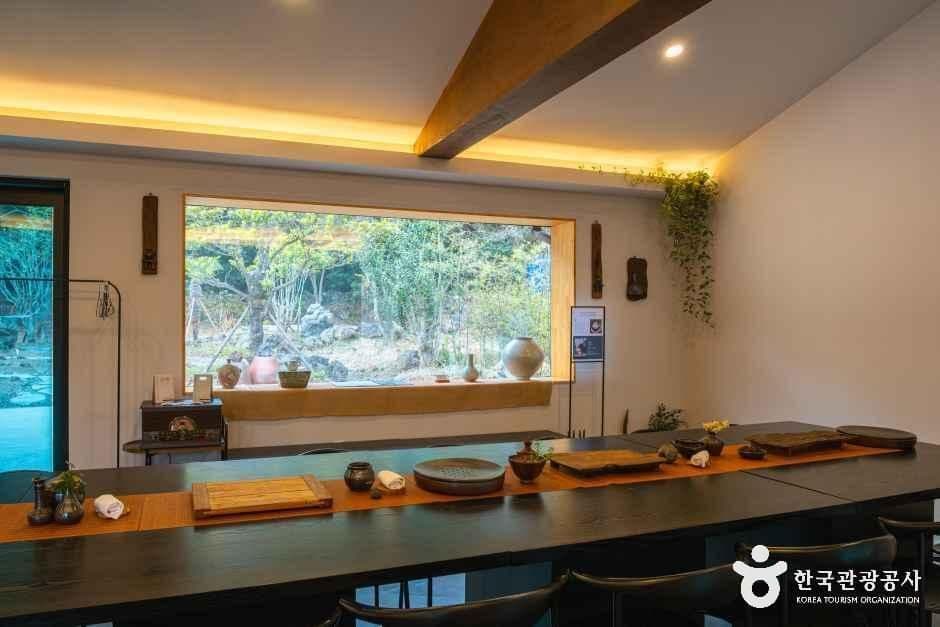
Hoesoodaok

Hoesoodaok is a Korea Plus Eat & Shop guide for planning a useful stop in Jeju. The goal is not to repeat a short API summary, but to turn the listing into a readable visitor plan: what kind of stop it is, how it can fit into a day, and what you should confirm before going. Use this page when you need a realistic meal, cafe break, market browse, or shopping pause near your route. A good Eat & Shop plan should support the day rather than take over the whole itinerary, so this guide focuses on location, timing, expectations, backup planning, and simple decision points for international visitors. Before you go, save the name and address in a map app, check the most recent hours or last-order rules, and keep one nearby alternative ready. Menus, stock, reservations, prices, and temporary closures can change quickly, especially around weekends, holidays, weather shifts, and peak dining hours. ## Why Visit - It gives you a concrete cafe idea in Jeju without starting from a blank map search. - It can work as a meal anchor, coffee break, dessert stop, market browse, or shopping errand between bigger sightseeing plans. - It helps you plan around real travel friction: walking distance, crowding, payment, language comfort, and whether the stop is worth the detour. - It is easier to enjoy when paired with one nearby attraction, one rest stop, and a flexible backup instead of a packed schedule. ## What To Expect Treat this as a coffee, dessert, bakery, brunch, or quiet reset stop. Cafes are useful for slowing down the day, checking maps, organizing photos, and deciding whether to keep exploring the same district. If you are traveling with other people, agree on the purpose of the stop first. Some visitors want a photo-friendly place, some want a specific dish, some want efficient shopping, and some simply need a comfortable break. Clear expectations make the route smoother. ## Planning Notes - Save the Korean and English place name if available, plus the address. - Check current hours, last order, reservation rules, break time, and holiday closures. - Card payment is common in Korea, but small markets, pop-ups, and older vendors can vary. - Keep a translation app ready for menu questions, allergies, tax refund requests, or directions. - If the stop is crowded or closed, switch to your saved backup and keep the route simple. ## Suggested Pairing Pair Hoesoodaok with a nearby neighborhood walk instead of crossing the city for only one stop. In Jeju, Eat & Shop plans usually work best when a cafe, restaurant, market, or shop is close to another attraction, transit hub, park, museum, or shopping street. For cafes and restaurants, leave enough time for queues, ordering, and a relaxed break. For markets and shops, allow time to browse without making the day feel rushed. Weather also matters: rainy days favor indoor cafes and malls, while clear days make markets, streets, and coastal routes easier to enjoy. ## Final Tips Keep this as a flexible stop, not a rigid appointment. Confirm the latest information, save the address, prepare a short translated request if needed, and choose one nearby backup before leaving. That small bit of planning makes Eat & Shop stops feel like a useful part of the trip rather than a stressful detour.

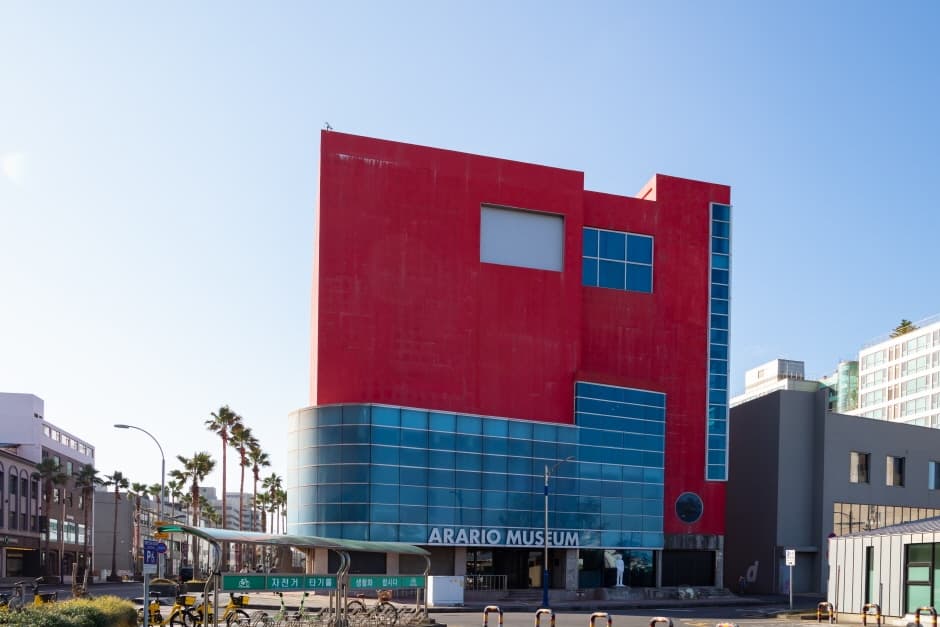
Arario Museum Tapdong Cinema image

Arario Museum Tapdong Cinema

Arario Museum Tapdong Cinema was created by Kim Chang-il, a famous artwork collector in Korea, who reused an abandoned building to make a contemporary art museum. The building did not go through extreme renovation, allowing visitors enjoy the building's original features along with the artworks. The underground floor and four ground floors hold exhibits where visitors can take photographs (flash photography not allowed), and the fifth floor houses a souvenir shop and a cafe where visitors can relax and enjoy panoramic views of the old city center and Tap-dong.

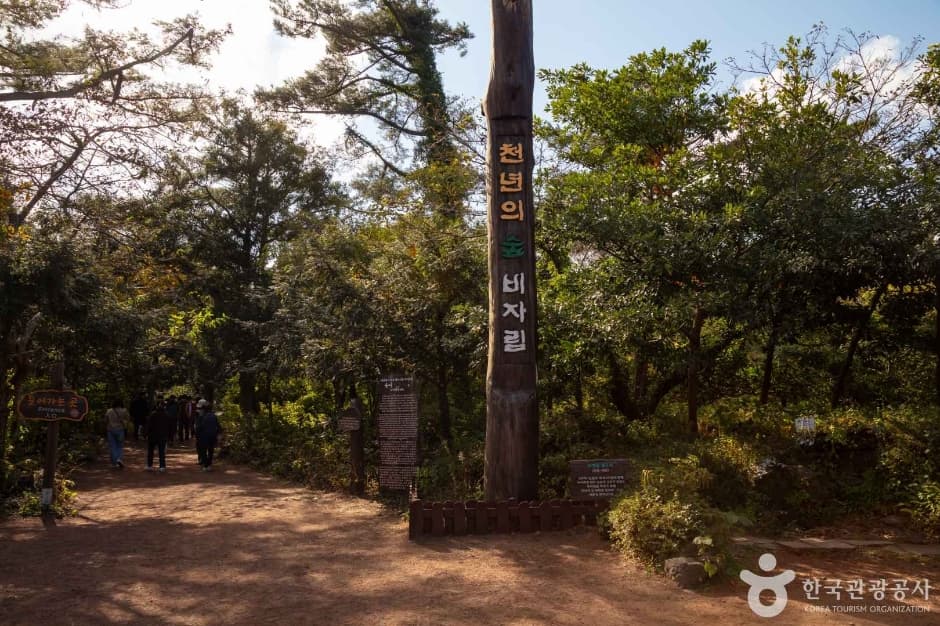
Bijarim Forest image

Bijarim Forest

Designated and protected as a Natural Monument, Bijarim Forest is home to 2,800 bija trees, ranging from 500 to 800 years in age, spread over 448,165㎡ land area. These majestic trees range from 7-14 meters in x_height, 50-110 centimeters in diameter, and 10-15 meters in crown x_width, so this forest is quite a rare example of its kind in the world. The berries of bija trees were used widely as a medicine used to kill parasites, while the wood was used to make premium furniture and go boards. Forest bathing in a bija forest helps to combat arteriosclerosis, mitigate physical and psychological fatigue, and restore the body’s rhythm.

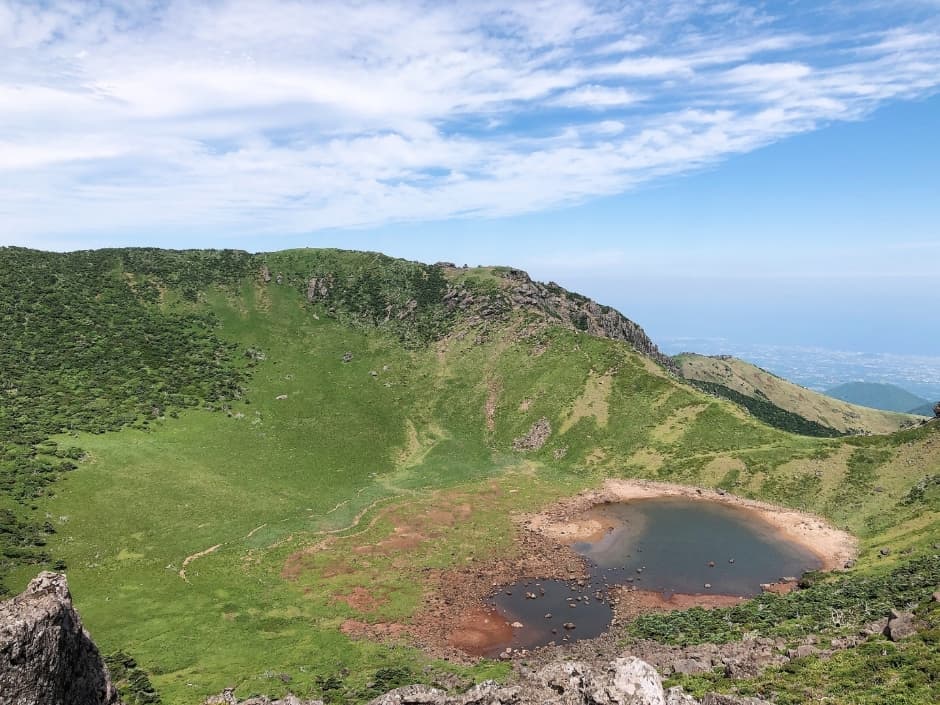
Baengnokdam Lake image

Baengnokdam Lake

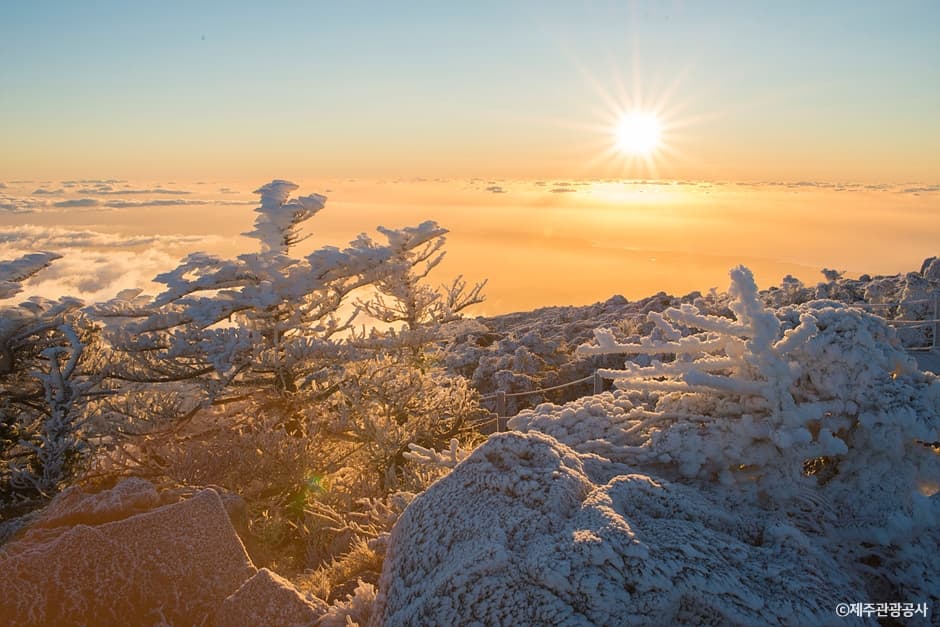
Baengnokdam is a crater lake that sits on top of Hallasan Mountain at the center of Jeju Island. It spans 3 kilometers in circumference and 500 meters in diameter, and is surrounded by approximately 360 parasitic cones. At the peak, visitors can feel like floating on clouds.

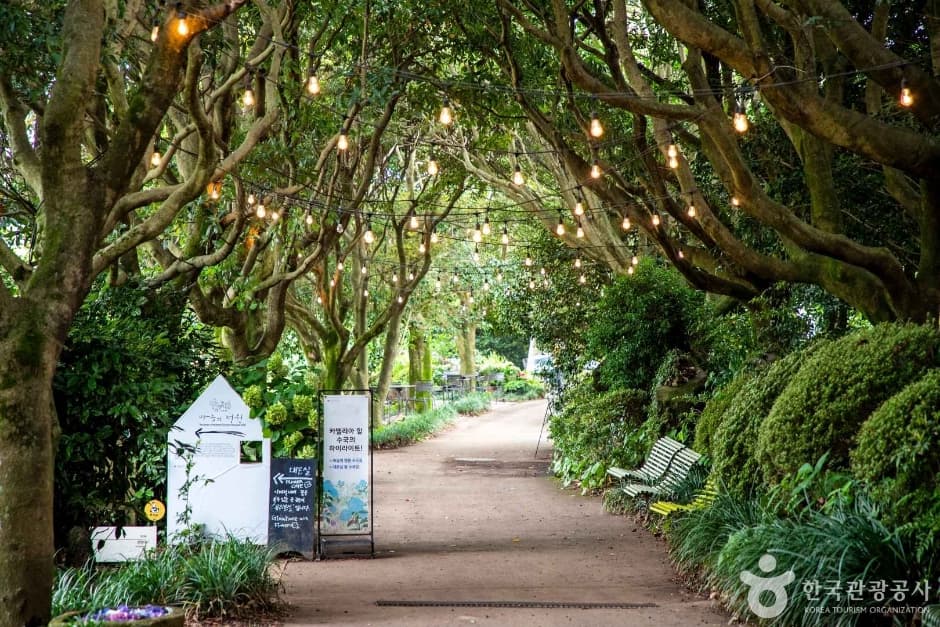
Camellia Hill image

Camellia Hill

Camellia Hill is a camellia arboretum that was created on a 172,000 square meter plot of land in Sangchang-ri, Jeju-do. The arboretum is home to 6,000 camellia trees of 500 different species including species that are known to produce the world’s largest and earliest blossoms. In addition to camellia trees, the arboretum also boasts palm trees, wildflowers, and other plants as well as a sprawling grass plaza and an ecological pond. Auxiliary facilities include a gallery exhibiting camellia-themed crafts and a multipurpose seminar room. Camellia Hill also offers a variety of lodging facilities ranging from thatched-roof cottages and wooden cabins to steel houses and a condominium-type resort.◎ Travel information to meet Hallyu’s charm - variety show "EXchange / Transit Love 3"This is where Ju-won and Yu-jeong had their memorable date, making many viewers feel excited for them. The arboretum is beautiful year-round but is especially spectacular in winter when the red camellias are in bloom.

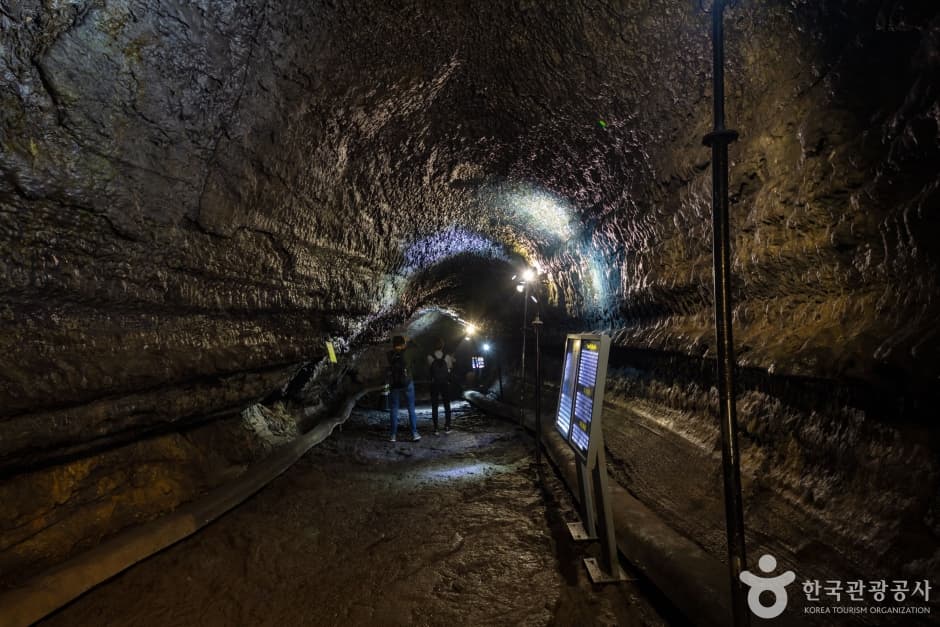
Manjanggul Lava Tube image

Manjanggul Lava Tube

Manjanggul Lava Tube, located in Gimnyeong-ri, Jeju, is part of the Geomunoreum Lava Tube system. The lava tube stretches roughly 7,400 meters, with a maximum x_height of 25 meters and x_width of 18 meters. These measurements make it one of the largest lava tubes in the world. Manjanggul holds great value for science and conservation studies, having well-maintained formations despite being formed over one hundred thousand years ago. The majority of the cave is closed off, with only 1 kilometer being open to tourists. Within this open section, visitors can see a variety of lava tube and cave topographical features, including stalagtites, stalagmites, and stone pillars. Among these, the 7.6-meter-tall stone pillar at the end of the open section is recorded as the largest in the world.

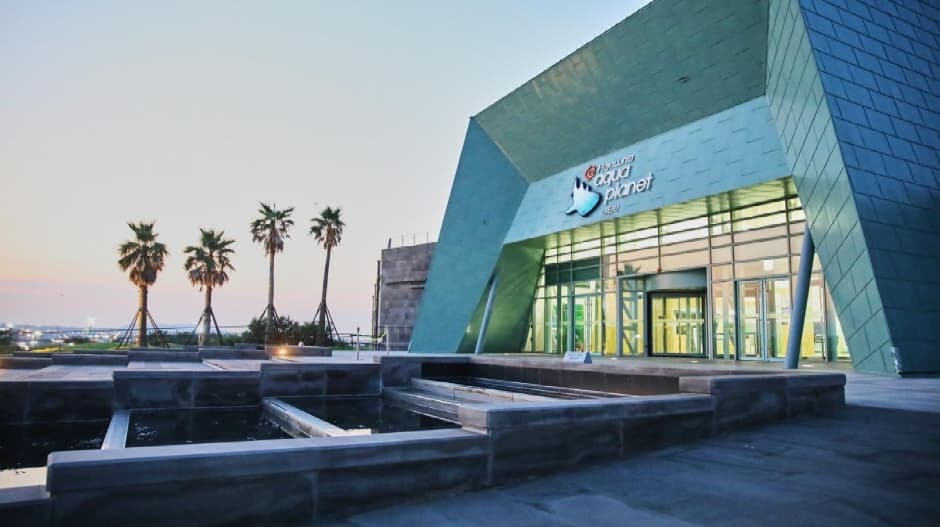
Aqua Planet Jeju image

Aqua Planet Jeju

Aqua Planet Jeju boasts the largest aquarium facility among East Asian countries. Housing over 45,000 marine creatures from domestic regions and abroad, Aqua Planet Jeju is a highly recommended family-friendly attraction. The highlight of Aqua Planet Jeju is its main tank which contains 6,000 tons of water and houses 27,000 fish, showing marine life up close. This fish tank facility is twice the size than that of Aqua Planet Yeosu, and over three times larger than that of Seoul COEX Aquarium and Busan Sea Life. What makes this aquarium event more special is the Jeju haenyeo (female divers) diving performance, which is only available in Aqua Planet Jeju.

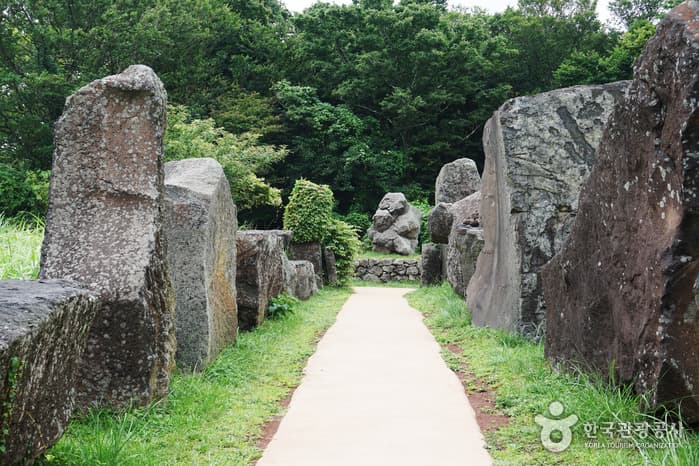
Jeju Stone Park image

Jeju Stone Park

Located in Jocheon-eup, Jeju-si, Jeju Stone Park was inspired by Jeju's culture and applications of stones. The main theme focuses on the foundation and identity of Jeju Island, based on the myth of Seolmundae Halmang (Grandmother Seolmundae), who created Jeju Island and the stones of Obaek Janggun (Five Hundred Generals). The park serves as a historical and cultural space where collected stones respresent Jeju's foundation and culture. ◎ Hallyu Travel Information - Movie The location that served as the backdrop for Ark, the secret laboratory conducting the Witch Project, is located within Jeju Stone Culture Park. 70% of the park's 1 million pyeong area is Gotjawal, where stones, trees, and vines harmonize, capturing the identity and artistry of Jeju.

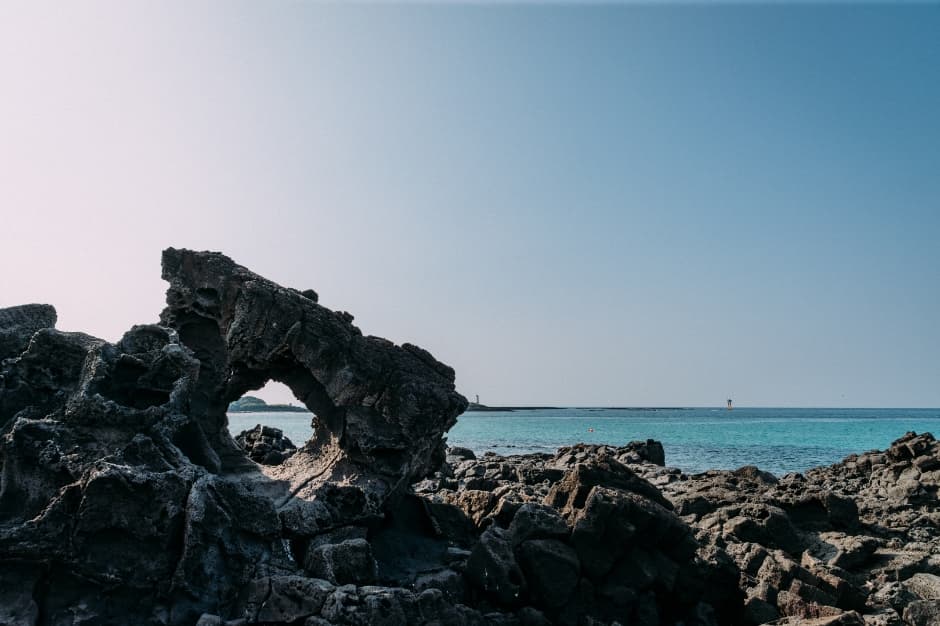
Changkkom image

Changkkom

Changkkom is a unique rock formation with a window-shaped hole, popular among tourists for taking photos.

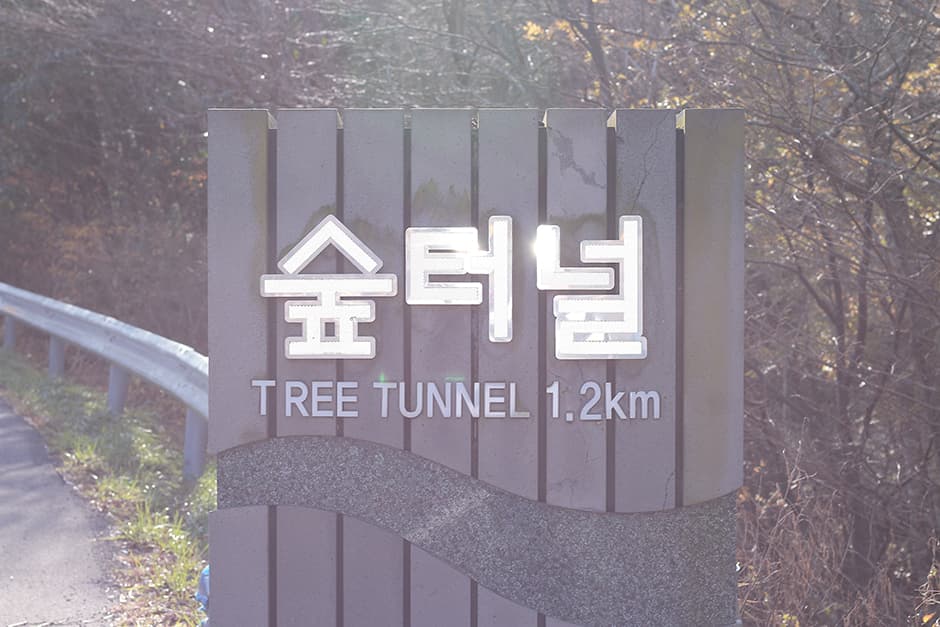
5.16 Tree Tunnel image

5.16 Tree Tunnel

The 5.16 Road is the first national highway of Jeju and connects the cities of Jeju and Seogwipo. Drive the winding road toward Seogwipo to the points about 2.6 to 1.2 kilometers at a distance from Hallasan Seongpanak Rest Area to reach a tree tunnel shaped like an arch made with evergreen trees and deciduous trees. At the northern entrance to the tree tunnel, there is a sign reading, “The road is more beautiful if you drive slowly.” The road here is narrow and has many curves, causing a risk of accidents, so drivers should be careful. Another reason to slow down while driving on this road is to appreciate the surrounding scenery. Located at the foot of Hallasan Mountain, the road provides various aspects of nature throughout the four seasons. Trees that extend out from both sides of the road and are bent as if embracing the sky provide cool shade in the summer, red leaves in the fall, and dazzling snow scenes in the winter. The 5.16 Tree Tunnel presents picturesque four seasons of Jeju.

Baksugijeong Cliffs image

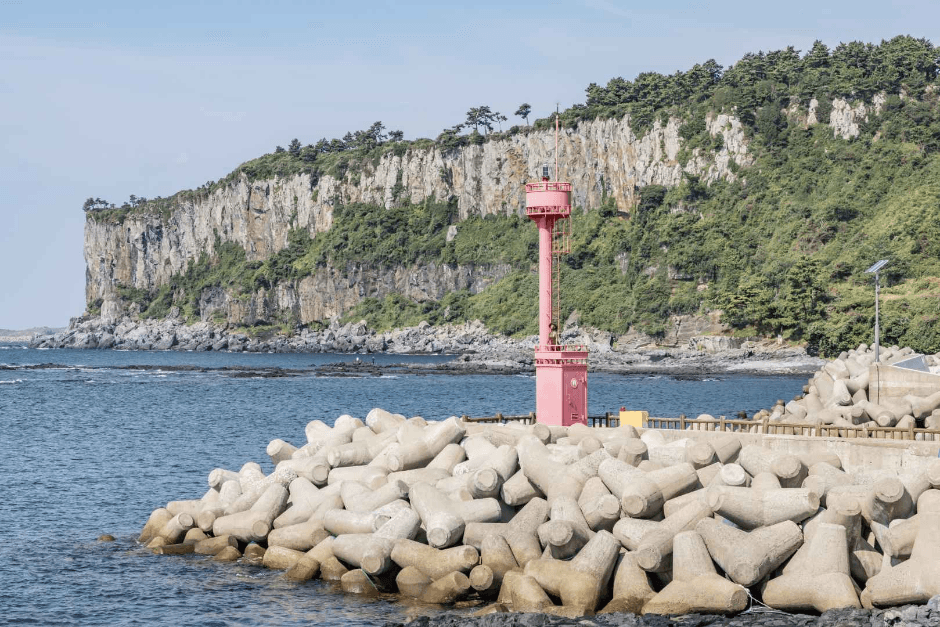
Baksugijeong Cliffs

◎ Travel information to meet Hallyu’s charm - variety show "EXchange / Transit Love 3" Ju-won and Yu-jeong enjoyed a romantic date here, taking photos against the sunset and strolling around Daepyeong Port with views of Baksugijeong Cliffs. Reflecting on their time together, Yoo-jung said, “We were together for 15 hours, but never bored at all.”

Hallasan Mountain image

Hallasan Mountain

Hallasan Mountain stands proudly at the center of Jeju Island and is perhaps the island’s most memorable landmark. Also called Yeongjusan Mountain, meaning "mountain high enough to pull the galaxy," Hallasan Mountain is widely known by scientists for its geological value. Designated as a national park in 1970, there are 368 parasitic cones called "oreum" (Jeju dialect meaning peak) around the main mountain. Hallasan Mountain is famous for its vertical ecosystem of plants that results from the varying temperatures along the mountainside. Over 1,800 kinds of plants and 4,000 species of animals (3,300 species of insects) have been identified; to explore the mountain's treasures, simply follow one of the well-developed hiking trails.

Arte Museum Jeju image

Arte Museum Jeju

Arte Museum is the nation's largest immersive media art exhibition presented by world-class digital design company d'strict, which is also famous for the “WAVE” at Coex. The museum displays ten of the most colorful media art exhibits created by lights and sounds on a grand floor space of 4,628 square meters with a maximum x_height of 10 meters which had once been used as a speaker manufacturing factory.

Donsadon Main Store image

Donsadon Main Store

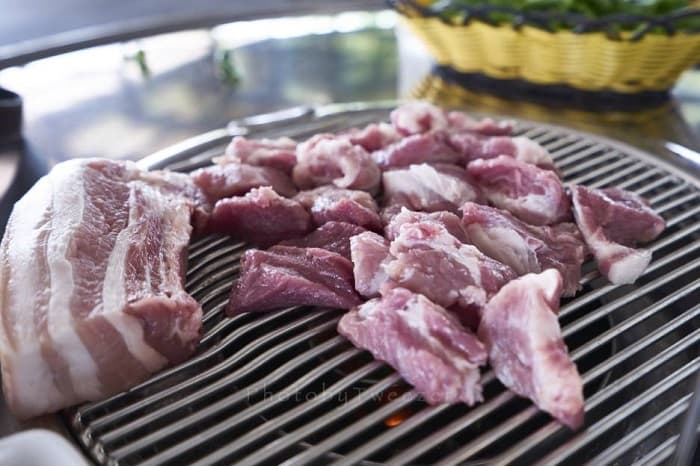
Donsadon Main Store is a Korea Plus Eat & Shop guide for planning a useful stop in Jeju. The goal is not to repeat a short API summary, but to turn the listing into a readable visitor plan: what kind of stop it is, how it can fit into a day, and what you should confirm before going. Use this page when you need a realistic meal, cafe break, market browse, or shopping pause near your route. A good Eat & Shop plan should support the day rather than take over the whole itinerary, so this guide focuses on location, timing, expectations, backup planning, and simple decision points for international visitors. Before you go, save the name and address in a map app, check the most recent hours or last-order rules, and keep one nearby alternative ready. Menus, stock, reservations, prices, and temporary closures can change quickly, especially around weekends, holidays, weather shifts, and peak dining hours. ## Why Visit - It gives you a concrete restaurant idea in Jeju without starting from a blank map search. - It can work as a meal anchor, coffee break, dessert stop, market browse, or shopping errand between bigger sightseeing plans. - It helps you plan around real travel friction: walking distance, crowding, payment, language comfort, and whether the stop is worth the detour. - It is easier to enjoy when paired with one nearby attraction, one rest stop, and a flexible backup instead of a packed schedule. ## What To Expect Treat this as a meal or snack anchor. Check whether it is better for lunch, dinner, solo dining, groups, quick ordering, or a slower sit-down meal before building the rest of the route around it. If you are traveling with other people, agree on the purpose of the stop first. Some visitors want a photo-friendly place, some want a specific dish, some want efficient shopping, and some simply need a comfortable break. Clear expectations make the route smoother. ## Planning Notes - Save the Korean and English place name if available, plus the address. - Check current hours, last order, reservation rules, break time, and holiday closures. - Card payment is common in Korea, but small markets, pop-ups, and older vendors can vary. - Keep a translation app ready for menu questions, allergies, tax refund requests, or directions. - If the stop is crowded or closed, switch to your saved backup and keep the route simple. ## Suggested Pairing Pair Donsadon Main Store with a nearby neighborhood walk instead of crossing the city for only one stop. In Jeju, Eat & Shop plans usually work best when a cafe, restaurant, market, or shop is close to another attraction, transit hub, park, museum, or shopping street. For cafes and restaurants, leave enough time for queues, ordering, and a relaxed break. For markets and shops, allow time to browse without making the day feel rushed. Weather also matters: rainy days favor indoor cafes and malls, while clear days make markets, streets, and coastal routes easier to enjoy. ## Final Tips Keep this as a flexible stop, not a rigid appointment. Confirm the latest information, save the address, prepare a short translated request if needed, and choose one nearby backup before leaving. That small bit of planning makes Eat & Shop stops feel like a useful part of the trip rather than a stressful detour.