Korea Plus +
Home
Community
Spotlight
Events
Guides
ActivityEat & ShopRegional GuidesAccommodationLiving guide
Korea Now
Korea Picks
Korea Plus +
HomeCommunitySpotlightEvents
Guides
ActivityEat & ShopRegional GuidesAccommodationLiving guide
Korea NowKorea Picks
Korea Plus +

Korea Plus + helps international visitors and residents find Korea news, events, travel information, history context, and community discussions in English.

Information may change, so always check official sources before booking or visiting.

Support

koreaplus.support@gmail.comTerms of ServicePrivacy PolicyAbout Us@korea.plus_official

Made by

DNA Studio

Insights by

Plugspace
PayPal QR code for supporting Korea Plus +Support Korea Plus +

© 2026 Korea Plus +. All rights reserved.

Guides

Guides

Helpful travel and culture guides for Korea.

Region

All regionsSeoulJejuBusanIncheonJeonnam-GwangjuJeollanam-do
Show all regions (13)

Category

All categoriesAccommodationCulture & MuseumsRestaurantNature & ParksCafeAttractionsNeighborhoods & StreetsHeritage & HistoryCity TourOne-Day TourRural ExperienceTheme Park Shuttle
Show fewer categories

Showing 11 of 114 guides

Clear filters
Ganghwa Homie image

Ganghwa Homie

Ganghwa Homie is a storytelling bakery cafe imagined from the story of the tiger in the Dangun myth after it jumped out of the cave. It is located along the coastal road near Dongmak Beach and Ganghwa Beach. Based on the character world of Tiger Master Beom, Tiny, Minisoo, and Hipdak, it has created a cave-concept open kitchen, themed spaces, and an outdoor plaza. Centered around a grill bakery that directly bakes ingredients in a wood-fired oven to complete dishes, it offers unique signature menus such as Jjapaghetti sandwiches, pork rib sandwiches, and sirloin sandwiches, along with various bakery items and beverages. It operates a free dedicated parking lot, providing a convenient space for tourists visiting Ganghwa Island to enjoy meals and relaxation.

Hoesoodaok image

Hoesoodaok

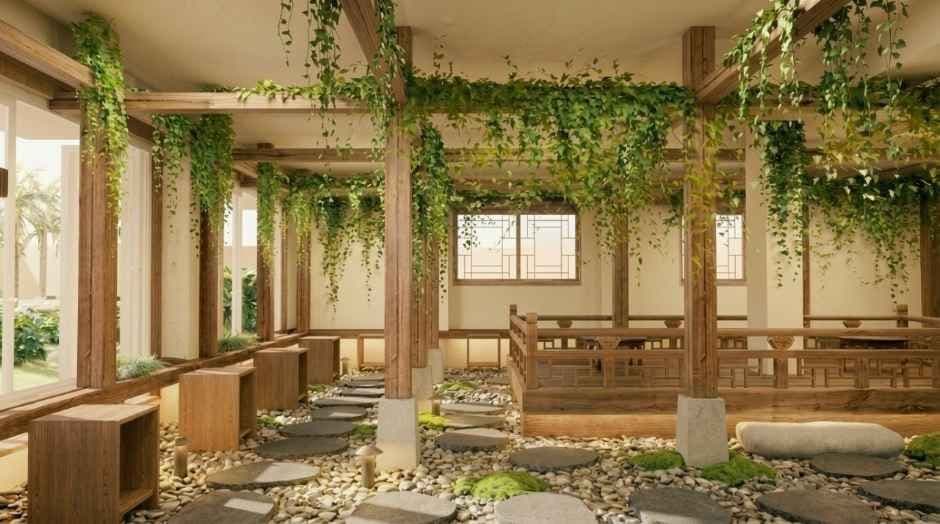
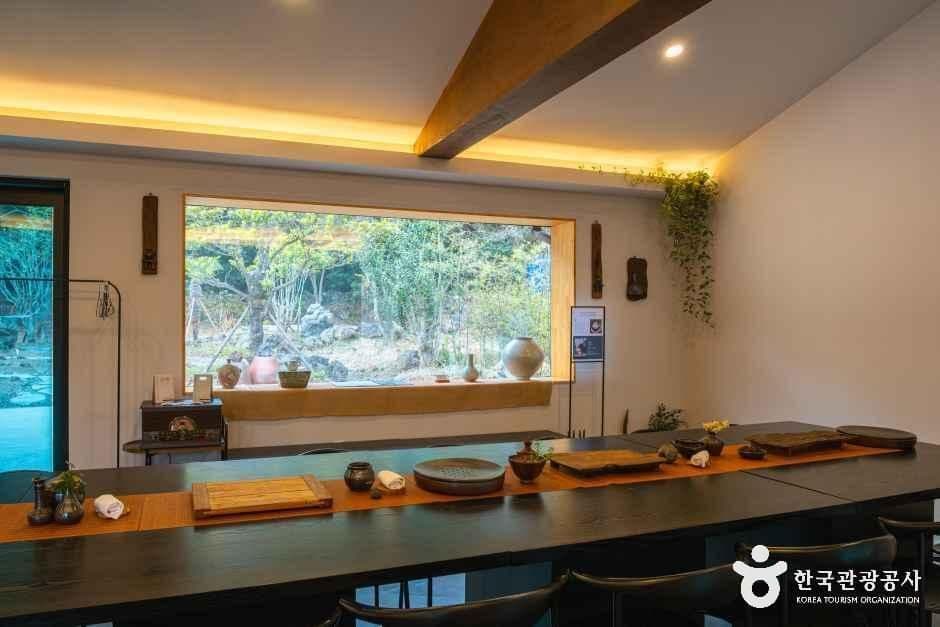
Hoesoodaok is a Korea Plus Eat & Shop guide for planning a useful stop in Jeju. The goal is not to repeat a short API summary, but to turn the listing into a readable visitor plan: what kind of stop it is, how it can fit into a day, and what you should confirm before going. Use this page when you need a realistic meal, cafe break, market browse, or shopping pause near your route. A good Eat & Shop plan should support the day rather than take over the whole itinerary, so this guide focuses on location, timing, expectations, backup planning, and simple decision points for international visitors. Before you go, save the name and address in a map app, check the most recent hours or last-order rules, and keep one nearby alternative ready. Menus, stock, reservations, prices, and temporary closures can change quickly, especially around weekends, holidays, weather shifts, and peak dining hours. ## Why Visit - It gives you a concrete cafe idea in Jeju without starting from a blank map search. - It can work as a meal anchor, coffee break, dessert stop, market browse, or shopping errand between bigger sightseeing plans. - It helps you plan around real travel friction: walking distance, crowding, payment, language comfort, and whether the stop is worth the detour. - It is easier to enjoy when paired with one nearby attraction, one rest stop, and a flexible backup instead of a packed schedule. ## What To Expect Treat this as a coffee, dessert, bakery, brunch, or quiet reset stop. Cafes are useful for slowing down the day, checking maps, organizing photos, and deciding whether to keep exploring the same district. If you are traveling with other people, agree on the purpose of the stop first. Some visitors want a photo-friendly place, some want a specific dish, some want efficient shopping, and some simply need a comfortable break. Clear expectations make the route smoother. ## Planning Notes - Save the Korean and English place name if available, plus the address. - Check current hours, last order, reservation rules, break time, and holiday closures. - Card payment is common in Korea, but small markets, pop-ups, and older vendors can vary. - Keep a translation app ready for menu questions, allergies, tax refund requests, or directions. - If the stop is crowded or closed, switch to your saved backup and keep the route simple. ## Suggested Pairing Pair Hoesoodaok with a nearby neighborhood walk instead of crossing the city for only one stop. In Jeju, Eat & Shop plans usually work best when a cafe, restaurant, market, or shop is close to another attraction, transit hub, park, museum, or shopping street. For cafes and restaurants, leave enough time for queues, ordering, and a relaxed break. For markets and shops, allow time to browse without making the day feel rushed. Weather also matters: rainy days favor indoor cafes and malls, while clear days make markets, streets, and coastal routes easier to enjoy. ## Final Tips Keep this as a flexible stop, not a rigid appointment. Confirm the latest information, save the address, prepare a short translated request if needed, and choose one nearby backup before leaving. That small bit of planning makes Eat & Shop stops feel like a useful part of the trip rather than a stressful detour.
Suncheonui Gyejeol image

Suncheonui Gyejeol

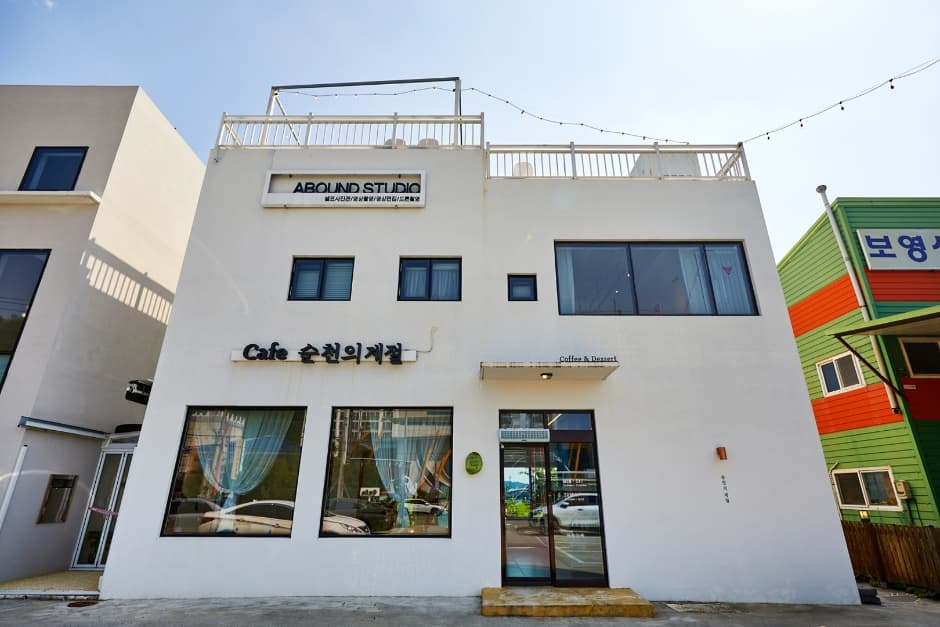
Suncheonui Gyejeol is a Korea Plus Eat & Shop guide for planning a useful stop in Jeollanam-do. The goal is not to repeat a short API summary, but to turn the listing into a readable visitor plan: what kind of stop it is, how it can fit into a day, and what you should confirm before going. Use this page when you need a realistic meal, cafe break, market browse, or shopping pause near your route. A good Eat & Shop plan should support the day rather than take over the whole itinerary, so this guide focuses on location, timing, expectations, backup planning, and simple decision points for international visitors. Before you go, save the name and address in a map app, check the most recent hours or last-order rules, and keep one nearby alternative ready. Menus, stock, reservations, prices, and temporary closures can change quickly, especially around weekends, holidays, weather shifts, and peak dining hours. ## Why Visit - It gives you a concrete cafe idea in Jeollanam-do without starting from a blank map search. - It can work as a meal anchor, coffee break, dessert stop, market browse, or shopping errand between bigger sightseeing plans. - It helps you plan around real travel friction: walking distance, crowding, payment, language comfort, and whether the stop is worth the detour. - It is easier to enjoy when paired with one nearby attraction, one rest stop, and a flexible backup instead of a packed schedule. ## What To Expect Treat this as a coffee, dessert, bakery, brunch, or quiet reset stop. Cafes are useful for slowing down the day, checking maps, organizing photos, and deciding whether to keep exploring the same district. If you are traveling with other people, agree on the purpose of the stop first. Some visitors want a photo-friendly place, some want a specific dish, some want efficient shopping, and some simply need a comfortable break. Clear expectations make the route smoother. ## Planning Notes - Save the Korean and English place name if available, plus the address. - Check current hours, last order, reservation rules, break time, and holiday closures. - Card payment is common in Korea, but small markets, pop-ups, and older vendors can vary. - Keep a translation app ready for menu questions, allergies, tax refund requests, or directions. - If the stop is crowded or closed, switch to your saved backup and keep the route simple. ## Suggested Pairing Pair Suncheonui Gyejeol with a nearby neighborhood walk instead of crossing the city for only one stop. In Jeollanam-do, Eat & Shop plans usually work best when a cafe, restaurant, market, or shop is close to another attraction, transit hub, park, museum, or shopping street. For cafes and restaurants, leave enough time for queues, ordering, and a relaxed break. For markets and shops, allow time to browse without making the day feel rushed. Weather also matters: rainy days favor indoor cafes and malls, while clear days make markets, streets, and coastal routes easier to enjoy. ## Final Tips Keep this as a flexible stop, not a rigid appointment. Confirm the latest information, save the address, prepare a short translated request if needed, and choose one nearby backup before leaving. That small bit of planning makes Eat & Shop stops feel like a useful part of the trip rather than a stressful detour.
Quay Cafe image

Quay Cafe

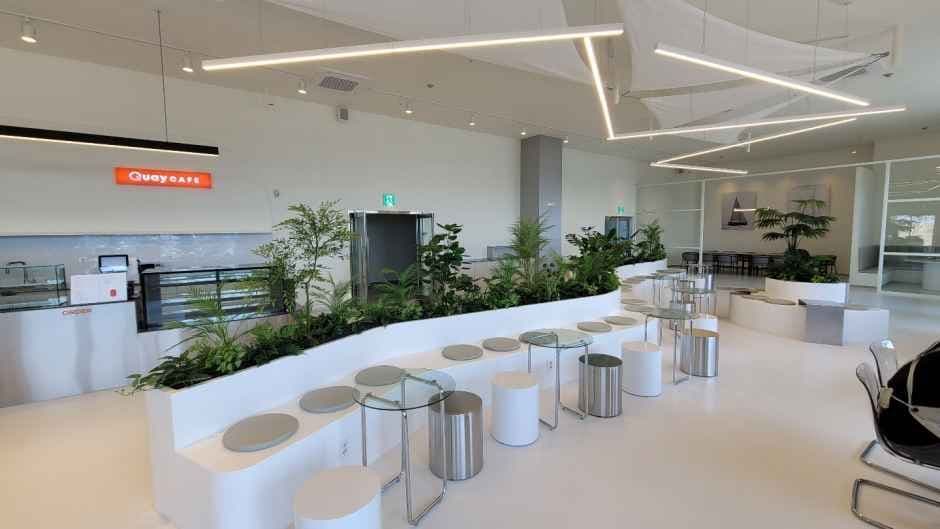
Quay Cafe is a Korea Plus Eat & Shop guide for planning a useful stop in Incheon. The goal is not to repeat a short API summary, but to turn the listing into a readable visitor plan: what kind of stop it is, how it can fit into a day, and what you should confirm before going. Use this page when you need a realistic meal, cafe break, market browse, or shopping pause near your route. A good Eat & Shop plan should support the day rather than take over the whole itinerary, so this guide focuses on location, timing, expectations, backup planning, and simple decision points for international visitors. Before you go, save the name and address in a map app, check the most recent hours or last-order rules, and keep one nearby alternative ready. Menus, stock, reservations, prices, and temporary closures can change quickly, especially around weekends, holidays, weather shifts, and peak dining hours. ## Why Visit - It gives you a concrete cafe idea in Incheon without starting from a blank map search. - It can work as a meal anchor, coffee break, dessert stop, market browse, or shopping errand between bigger sightseeing plans. - It helps you plan around real travel friction: walking distance, crowding, payment, language comfort, and whether the stop is worth the detour. - It is easier to enjoy when paired with one nearby attraction, one rest stop, and a flexible backup instead of a packed schedule. ## What To Expect Treat this as a coffee, dessert, bakery, brunch, or quiet reset stop. Cafes are useful for slowing down the day, checking maps, organizing photos, and deciding whether to keep exploring the same district. If you are traveling with other people, agree on the purpose of the stop first. Some visitors want a photo-friendly place, some want a specific dish, some want efficient shopping, and some simply need a comfortable break. Clear expectations make the route smoother. ## Planning Notes - Save the Korean and English place name if available, plus the address. - Check current hours, last order, reservation rules, break time, and holiday closures. - Card payment is common in Korea, but small markets, pop-ups, and older vendors can vary. - Keep a translation app ready for menu questions, allergies, tax refund requests, or directions. - If the stop is crowded or closed, switch to your saved backup and keep the route simple. ## Suggested Pairing Pair Quay Cafe with a nearby neighborhood walk instead of crossing the city for only one stop. In Incheon, Eat & Shop plans usually work best when a cafe, restaurant, market, or shop is close to another attraction, transit hub, park, museum, or shopping street. For cafes and restaurants, leave enough time for queues, ordering, and a relaxed break. For markets and shops, allow time to browse without making the day feel rushed. Weather also matters: rainy days favor indoor cafes and malls, while clear days make markets, streets, and coastal routes easier to enjoy. ## Final Tips Keep this as a flexible stop, not a rigid appointment. Confirm the latest information, save the address, prepare a short translated request if needed, and choose one nearby backup before leaving. That small bit of planning makes Eat & Shop stops feel like a useful part of the trip rather than a stressful detour.
Mulgogi Coffee Roasters image

Mulgogi Coffee Roasters

Mulgogi Coffee Roasters is a Korea Plus Eat & Shop guide for planning a useful stop in Gwangju. The goal is not to repeat a short API summary, but to turn the listing into a readable visitor plan: what kind of stop it is, how it can fit into a day, and what you should confirm before going. Use this page when you need a realistic meal, cafe break, market browse, or shopping pause near your route. A good Eat & Shop plan should support the day rather than take over the whole itinerary, so this guide focuses on location, timing, expectations, backup planning, and simple decision points for international visitors. Before you go, save the name and address in a map app, check the most recent hours or last-order rules, and keep one nearby alternative ready. Menus, stock, reservations, prices, and temporary closures can change quickly, especially around weekends, holidays, weather shifts, and peak dining hours. ## Why Visit - It gives you a concrete cafe idea in Gwangju without starting from a blank map search. - It can work as a meal anchor, coffee break, dessert stop, market browse, or shopping errand between bigger sightseeing plans. - It helps you plan around real travel friction: walking distance, crowding, payment, language comfort, and whether the stop is worth the detour. - It is easier to enjoy when paired with one nearby attraction, one rest stop, and a flexible backup instead of a packed schedule. ## What To Expect Treat this as a coffee, dessert, bakery, brunch, or quiet reset stop. Cafes are useful for slowing down the day, checking maps, organizing photos, and deciding whether to keep exploring the same district. If you are traveling with other people, agree on the purpose of the stop first. Some visitors want a photo-friendly place, some want a specific dish, some want efficient shopping, and some simply need a comfortable break. Clear expectations make the route smoother. ## Planning Notes - Save the Korean and English place name if available, plus the address. - Check current hours, last order, reservation rules, break time, and holiday closures. - Card payment is common in Korea, but small markets, pop-ups, and older vendors can vary. - Keep a translation app ready for menu questions, allergies, tax refund requests, or directions. - If the stop is crowded or closed, switch to your saved backup and keep the route simple. ## Suggested Pairing Pair Mulgogi Coffee Roasters with a nearby neighborhood walk instead of crossing the city for only one stop. In Gwangju, Eat & Shop plans usually work best when a cafe, restaurant, market, or shop is close to another attraction, transit hub, park, museum, or shopping street. For cafes and restaurants, leave enough time for queues, ordering, and a relaxed break. For markets and shops, allow time to browse without making the day feel rushed. Weather also matters: rainy days favor indoor cafes and malls, while clear days make markets, streets, and coastal routes easier to enjoy. ## Final Tips Keep this as a flexible stop, not a rigid appointment. Confirm the latest information, save the address, prepare a short translated request if needed, and choose one nearby backup before leaving. That small bit of planning makes Eat & Shop stops feel like a useful part of the trip rather than a stressful detour.
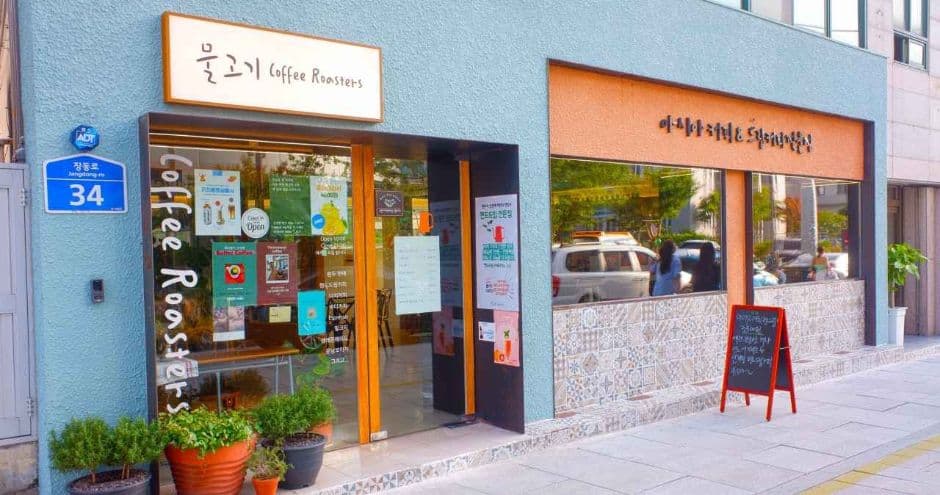
Cafe Rim image

Cafe Rim

Cafe Rim is a Korea Plus Eat & Shop guide for planning a useful stop in Incheon. The goal is not to repeat a short API summary, but to turn the listing into a readable visitor plan: what kind of stop it is, how it can fit into a day, and what you should confirm before going. Use this page when you need a realistic meal, cafe break, market browse, or shopping pause near your route. A good Eat & Shop plan should support the day rather than take over the whole itinerary, so this guide focuses on location, timing, expectations, backup planning, and simple decision points for international visitors. Before you go, save the name and address in a map app, check the most recent hours or last-order rules, and keep one nearby alternative ready. Menus, stock, reservations, prices, and temporary closures can change quickly, especially around weekends, holidays, weather shifts, and peak dining hours. ## Why Visit - It gives you a concrete cafe idea in Incheon without starting from a blank map search. - It can work as a meal anchor, coffee break, dessert stop, market browse, or shopping errand between bigger sightseeing plans. - It helps you plan around real travel friction: walking distance, crowding, payment, language comfort, and whether the stop is worth the detour. - It is easier to enjoy when paired with one nearby attraction, one rest stop, and a flexible backup instead of a packed schedule. ## What To Expect Treat this as a coffee, dessert, bakery, brunch, or quiet reset stop. Cafes are useful for slowing down the day, checking maps, organizing photos, and deciding whether to keep exploring the same district. If you are traveling with other people, agree on the purpose of the stop first. Some visitors want a photo-friendly place, some want a specific dish, some want efficient shopping, and some simply need a comfortable break. Clear expectations make the route smoother. ## Planning Notes - Save the Korean and English place name if available, plus the address. - Check current hours, last order, reservation rules, break time, and holiday closures. - Card payment is common in Korea, but small markets, pop-ups, and older vendors can vary. - Keep a translation app ready for menu questions, allergies, tax refund requests, or directions. - If the stop is crowded or closed, switch to your saved backup and keep the route simple. ## Suggested Pairing Pair Cafe Rim with a nearby neighborhood walk instead of crossing the city for only one stop. In Incheon, Eat & Shop plans usually work best when a cafe, restaurant, market, or shop is close to another attraction, transit hub, park, museum, or shopping street. For cafes and restaurants, leave enough time for queues, ordering, and a relaxed break. For markets and shops, allow time to browse without making the day feel rushed. Weather also matters: rainy days favor indoor cafes and malls, while clear days make markets, streets, and coastal routes easier to enjoy. ## Final Tips Keep this as a flexible stop, not a rigid appointment. Confirm the latest information, save the address, prepare a short translated request if needed, and choose one nearby backup before leaving. That small bit of planning makes Eat & Shop stops feel like a useful part of the trip rather than a stressful detour.
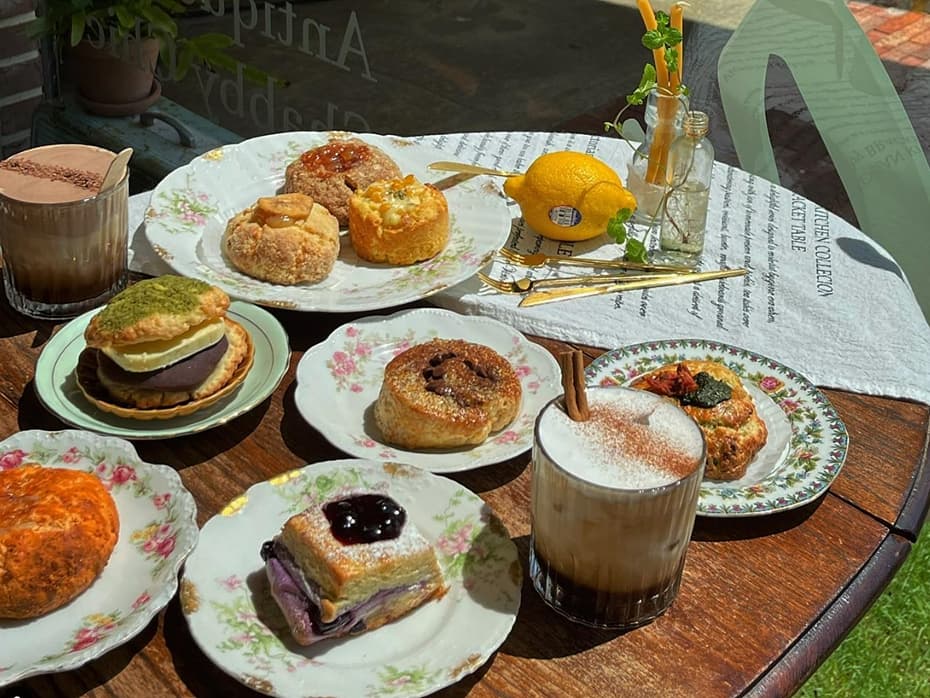
Chadeokbun Yeongjongdo Main Branch image

Chadeokbun Yeongjongdo Main Branch

Chadeokbun Yeongjongdo Main Branch is a Korea Plus Eat & Shop guide for planning a useful stop in Incheon. The goal is not to repeat a short API summary, but to turn the listing into a readable visitor plan: what kind of stop it is, how it can fit into a day, and what you should confirm before going. Use this page when you need a realistic meal, cafe break, market browse, or shopping pause near your route. A good Eat & Shop plan should support the day rather than take over the whole itinerary, so this guide focuses on location, timing, expectations, backup planning, and simple decision points for international visitors. Before you go, save the name and address in a map app, check the most recent hours or last-order rules, and keep one nearby alternative ready. Menus, stock, reservations, prices, and temporary closures can change quickly, especially around weekends, holidays, weather shifts, and peak dining hours. ## Why Visit - It gives you a concrete cafe idea in Incheon without starting from a blank map search. - It can work as a meal anchor, coffee break, dessert stop, market browse, or shopping errand between bigger sightseeing plans. - It helps you plan around real travel friction: walking distance, crowding, payment, language comfort, and whether the stop is worth the detour. - It is easier to enjoy when paired with one nearby attraction, one rest stop, and a flexible backup instead of a packed schedule. ## What To Expect Treat this as a coffee, dessert, bakery, brunch, or quiet reset stop. Cafes are useful for slowing down the day, checking maps, organizing photos, and deciding whether to keep exploring the same district. If you are traveling with other people, agree on the purpose of the stop first. Some visitors want a photo-friendly place, some want a specific dish, some want efficient shopping, and some simply need a comfortable break. Clear expectations make the route smoother. ## Planning Notes - Save the Korean and English place name if available, plus the address. - Check current hours, last order, reservation rules, break time, and holiday closures. - Card payment is common in Korea, but small markets, pop-ups, and older vendors can vary. - Keep a translation app ready for menu questions, allergies, tax refund requests, or directions. - If the stop is crowded or closed, switch to your saved backup and keep the route simple. ## Suggested Pairing Pair Chadeokbun Yeongjongdo Main Branch with a nearby neighborhood walk instead of crossing the city for only one stop. In Incheon, Eat & Shop plans usually work best when a cafe, restaurant, market, or shop is close to another attraction, transit hub, park, museum, or shopping street. For cafes and restaurants, leave enough time for queues, ordering, and a relaxed break. For markets and shops, allow time to browse without making the day feel rushed. Weather also matters: rainy days favor indoor cafes and malls, while clear days make markets, streets, and coastal routes easier to enjoy. ## Final Tips Keep this as a flexible stop, not a rigid appointment. Confirm the latest information, save the address, prepare a short translated request if needed, and choose one nearby backup before leaving. That small bit of planning makes Eat & Shop stops feel like a useful part of the trip rather than a stressful detour.
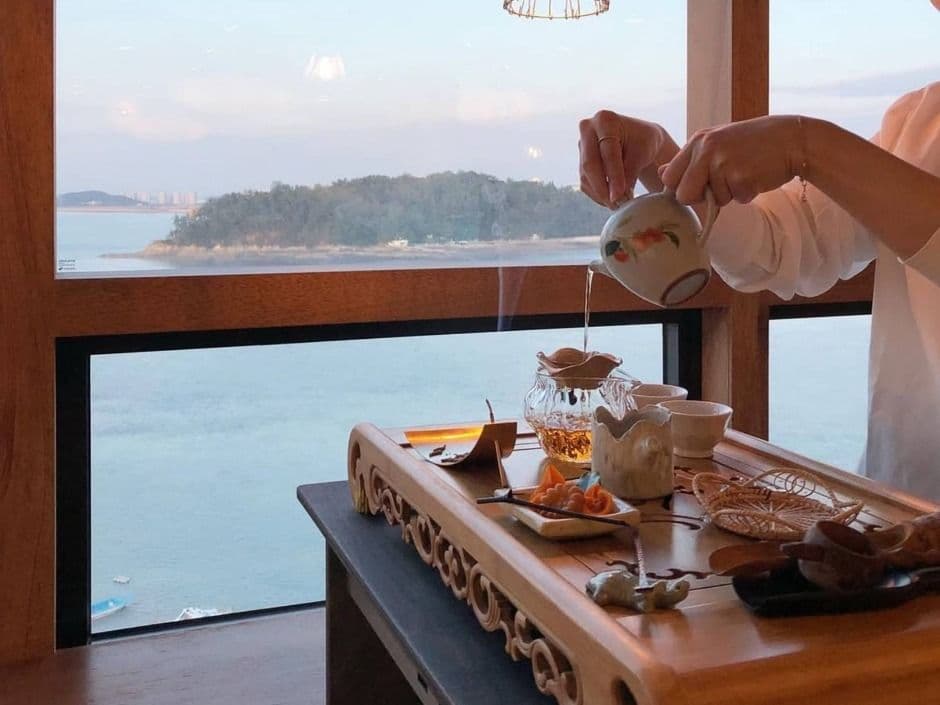
Tea Therapy image

Tea Therapy

Tea Therapy is a Korea Plus Eat & Shop guide for planning a useful stop in Seoul. The goal is not to repeat a short API summary, but to turn the listing into a readable visitor plan: what kind of stop it is, how it can fit into a day, and what you should confirm before going. Use this page when you need a realistic meal, cafe break, market browse, or shopping pause near your route. A good Eat & Shop plan should support the day rather than take over the whole itinerary, so this guide focuses on location, timing, expectations, backup planning, and simple decision points for international visitors. Before you go, save the name and address in a map app, check the most recent hours or last-order rules, and keep one nearby alternative ready. Menus, stock, reservations, prices, and temporary closures can change quickly, especially around weekends, holidays, weather shifts, and peak dining hours. ## Why Visit - It gives you a concrete cafe idea in Seoul without starting from a blank map search. - It can work as a meal anchor, coffee break, dessert stop, market browse, or shopping errand between bigger sightseeing plans. - It helps you plan around real travel friction: walking distance, crowding, payment, language comfort, and whether the stop is worth the detour. - It is easier to enjoy when paired with one nearby attraction, one rest stop, and a flexible backup instead of a packed schedule. ## What To Expect Treat this as a coffee, dessert, bakery, brunch, or quiet reset stop. Cafes are useful for slowing down the day, checking maps, organizing photos, and deciding whether to keep exploring the same district. If you are traveling with other people, agree on the purpose of the stop first. Some visitors want a photo-friendly place, some want a specific dish, some want efficient shopping, and some simply need a comfortable break. Clear expectations make the route smoother. ## Planning Notes - Save the Korean and English place name if available, plus the address. - Check current hours, last order, reservation rules, break time, and holiday closures. - Card payment is common in Korea, but small markets, pop-ups, and older vendors can vary. - Keep a translation app ready for menu questions, allergies, tax refund requests, or directions. - If the stop is crowded or closed, switch to your saved backup and keep the route simple. ## Suggested Pairing Pair Tea Therapy with a nearby neighborhood walk instead of crossing the city for only one stop. In Seoul, Eat & Shop plans usually work best when a cafe, restaurant, market, or shop is close to another attraction, transit hub, park, museum, or shopping street. For cafes and restaurants, leave enough time for queues, ordering, and a relaxed break. For markets and shops, allow time to browse without making the day feel rushed. Weather also matters: rainy days favor indoor cafes and malls, while clear days make markets, streets, and coastal routes easier to enjoy. ## Final Tips Keep this as a flexible stop, not a rigid appointment. Confirm the latest information, save the address, prepare a short translated request if needed, and choose one nearby backup before leaving. That small bit of planning makes Eat & Shop stops feel like a useful part of the trip rather than a stressful detour.
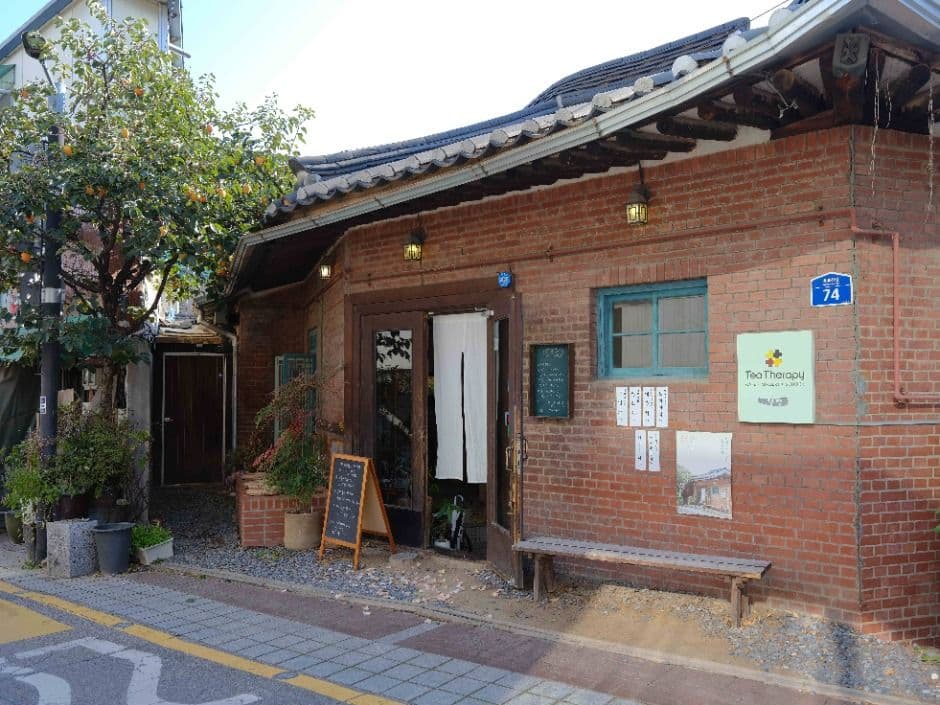
CLB Bakery image

CLB Bakery

CLB Bakery is a Korea Plus Eat & Shop guide for planning a useful stop in Gwangju. The goal is not to repeat a short API summary, but to turn the listing into a readable visitor plan: what kind of stop it is, how it can fit into a day, and what you should confirm before going. Use this page when you need a realistic meal, cafe break, market browse, or shopping pause near your route. A good Eat & Shop plan should support the day rather than take over the whole itinerary, so this guide focuses on location, timing, expectations, backup planning, and simple decision points for international visitors. Before you go, save the name and address in a map app, check the most recent hours or last-order rules, and keep one nearby alternative ready. Menus, stock, reservations, prices, and temporary closures can change quickly, especially around weekends, holidays, weather shifts, and peak dining hours. ## Why Visit - It gives you a concrete cafe idea in Gwangju without starting from a blank map search. - It can work as a meal anchor, coffee break, dessert stop, market browse, or shopping errand between bigger sightseeing plans. - It helps you plan around real travel friction: walking distance, crowding, payment, language comfort, and whether the stop is worth the detour. - It is easier to enjoy when paired with one nearby attraction, one rest stop, and a flexible backup instead of a packed schedule. ## What To Expect Treat this as a coffee, dessert, bakery, brunch, or quiet reset stop. Cafes are useful for slowing down the day, checking maps, organizing photos, and deciding whether to keep exploring the same district. If you are traveling with other people, agree on the purpose of the stop first. Some visitors want a photo-friendly place, some want a specific dish, some want efficient shopping, and some simply need a comfortable break. Clear expectations make the route smoother. ## Planning Notes - Save the Korean and English place name if available, plus the address. - Check current hours, last order, reservation rules, break time, and holiday closures. - Card payment is common in Korea, but small markets, pop-ups, and older vendors can vary. - Keep a translation app ready for menu questions, allergies, tax refund requests, or directions. - If the stop is crowded or closed, switch to your saved backup and keep the route simple. ## Suggested Pairing Pair CLB Bakery with a nearby neighborhood walk instead of crossing the city for only one stop. In Gwangju, Eat & Shop plans usually work best when a cafe, restaurant, market, or shop is close to another attraction, transit hub, park, museum, or shopping street. For cafes and restaurants, leave enough time for queues, ordering, and a relaxed break. For markets and shops, allow time to browse without making the day feel rushed. Weather also matters: rainy days favor indoor cafes and malls, while clear days make markets, streets, and coastal routes easier to enjoy. ## Final Tips Keep this as a flexible stop, not a rigid appointment. Confirm the latest information, save the address, prepare a short translated request if needed, and choose one nearby backup before leaving. That small bit of planning makes Eat & Shop stops feel like a useful part of the trip rather than a stressful detour.

Leesungdang image

Leesungdang

Leesungdang is a Korea Plus Eat & Shop guide for planning a useful stop in Korea. The goal is not to repeat a short API summary, but to turn the listing into a readable visitor plan: what kind of stop it is, how it can fit into a day, and what you should confirm before going. Use this page when you need a realistic meal, cafe break, market browse, or shopping pause near your route. A good Eat & Shop plan should support the day rather than take over the whole itinerary, so this guide focuses on location, timing, expectations, backup planning, and simple decision points for international visitors. Before you go, save the name and address in a map app, check the most recent hours or last-order rules, and keep one nearby alternative ready. Menus, stock, reservations, prices, and temporary closures can change quickly, especially around weekends, holidays, weather shifts, and peak dining hours. ## Why Visit - It gives you a concrete cafe idea in Korea without starting from a blank map search. - It can work as a meal anchor, coffee break, dessert stop, market browse, or shopping errand between bigger sightseeing plans. - It helps you plan around real travel friction: walking distance, crowding, payment, language comfort, and whether the stop is worth the detour. - It is easier to enjoy when paired with one nearby attraction, one rest stop, and a flexible backup instead of a packed schedule. ## What To Expect Treat this as a coffee, dessert, bakery, brunch, or quiet reset stop. Cafes are useful for slowing down the day, checking maps, organizing photos, and deciding whether to keep exploring the same district. If you are traveling with other people, agree on the purpose of the stop first. Some visitors want a photo-friendly place, some want a specific dish, some want efficient shopping, and some simply need a comfortable break. Clear expectations make the route smoother. ## Planning Notes - Save the Korean and English place name if available, plus the address. - Check current hours, last order, reservation rules, break time, and holiday closures. - Card payment is common in Korea, but small markets, pop-ups, and older vendors can vary. - Keep a translation app ready for menu questions, allergies, tax refund requests, or directions. - If the stop is crowded or closed, switch to your saved backup and keep the route simple. ## Suggested Pairing Pair Leesungdang with a nearby neighborhood walk instead of crossing the city for only one stop. In Korea, Eat & Shop plans usually work best when a cafe, restaurant, market, or shop is close to another attraction, transit hub, park, museum, or shopping street. For cafes and restaurants, leave enough time for queues, ordering, and a relaxed break. For markets and shops, allow time to browse without making the day feel rushed. Weather also matters: rainy days favor indoor cafes and malls, while clear days make markets, streets, and coastal routes easier to enjoy. ## Final Tips Keep this as a flexible stop, not a rigid appointment. Confirm the latest information, save the address, prepare a short translated request if needed, and choose one nearby backup before leaving. That small bit of planning makes Eat & Shop stops feel like a useful part of the trip rather than a stressful detour.
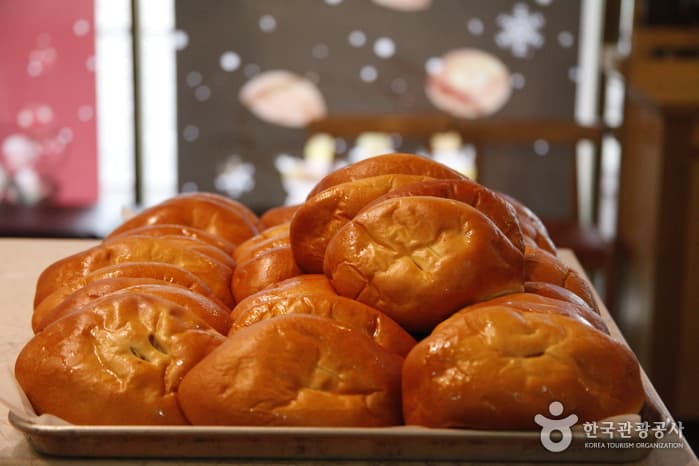
Sooyeon Sanbang image

Sooyeon Sanbang

Sooyeon Sanbang is a Korea Plus Eat & Shop guide for planning a useful stop in Seoul. The goal is not to repeat a short API summary, but to turn the listing into a readable visitor plan: what kind of stop it is, how it can fit into a day, and what you should confirm before going. Use this page when you need a realistic meal, cafe break, market browse, or shopping pause near your route. A good Eat & Shop plan should support the day rather than take over the whole itinerary, so this guide focuses on location, timing, expectations, backup planning, and simple decision points for international visitors. Before you go, save the name and address in a map app, check the most recent hours or last-order rules, and keep one nearby alternative ready. Menus, stock, reservations, prices, and temporary closures can change quickly, especially around weekends, holidays, weather shifts, and peak dining hours. ## Why Visit - It gives you a concrete cafe idea in Seoul without starting from a blank map search. - It can work as a meal anchor, coffee break, dessert stop, market browse, or shopping errand between bigger sightseeing plans. - It helps you plan around real travel friction: walking distance, crowding, payment, language comfort, and whether the stop is worth the detour. - It is easier to enjoy when paired with one nearby attraction, one rest stop, and a flexible backup instead of a packed schedule. ## What To Expect Treat this as a coffee, dessert, bakery, brunch, or quiet reset stop. Cafes are useful for slowing down the day, checking maps, organizing photos, and deciding whether to keep exploring the same district. If you are traveling with other people, agree on the purpose of the stop first. Some visitors want a photo-friendly place, some want a specific dish, some want efficient shopping, and some simply need a comfortable break. Clear expectations make the route smoother. ## Planning Notes - Save the Korean and English place name if available, plus the address. - Check current hours, last order, reservation rules, break time, and holiday closures. - Card payment is common in Korea, but small markets, pop-ups, and older vendors can vary. - Keep a translation app ready for menu questions, allergies, tax refund requests, or directions. - If the stop is crowded or closed, switch to your saved backup and keep the route simple. ## Suggested Pairing Pair Sooyeon Sanbang with a nearby neighborhood walk instead of crossing the city for only one stop. In Seoul, Eat & Shop plans usually work best when a cafe, restaurant, market, or shop is close to another attraction, transit hub, park, museum, or shopping street. For cafes and restaurants, leave enough time for queues, ordering, and a relaxed break. For markets and shops, allow time to browse without making the day feel rushed. Weather also matters: rainy days favor indoor cafes and malls, while clear days make markets, streets, and coastal routes easier to enjoy. ## Final Tips Keep this as a flexible stop, not a rigid appointment. Confirm the latest information, save the address, prepare a short translated request if needed, and choose one nearby backup before leaving. That small bit of planning makes Eat & Shop stops feel like a useful part of the trip rather than a stressful detour.