Korea Plus +
Home
Community
Spotlight
Events
Guides
ActivityEat & ShopRegional GuidesAccommodationLiving guide
Korea Now
Korea Picks
Korea Plus +
HomeCommunitySpotlightEvents
Guides
ActivityEat & ShopRegional GuidesAccommodationLiving guide
Korea NowKorea Picks
Korea Plus +

Korea Plus + helps international visitors and residents find Korea news, events, travel information, history context, and community discussions in English.

Information may change, so always check official sources before booking or visiting.

Support

koreaplus.support@gmail.comTerms of ServicePrivacy PolicyAbout Us@korea.plus_official

Made by

DNA Studio

Insights by

Plugspace
PayPal QR code for supporting Korea Plus +Support Korea Plus +

© 2026 Korea Plus +. All rights reserved.

指南

指南

韩国旅行和文化实用指南。

Region

全部地区SeoulJejuBusanIncheonJeonnam-GwangjuJeollanam-do
Show all regions (13)

分类

全部分类AccommodationCulture & MuseumsRestaurantNature & ParksCafeAttractionsNeighborhoods & StreetsHeritage & History
Show all categories (12)

Showing 8 of 114 guides

清除筛选
光州国立博物馆 image

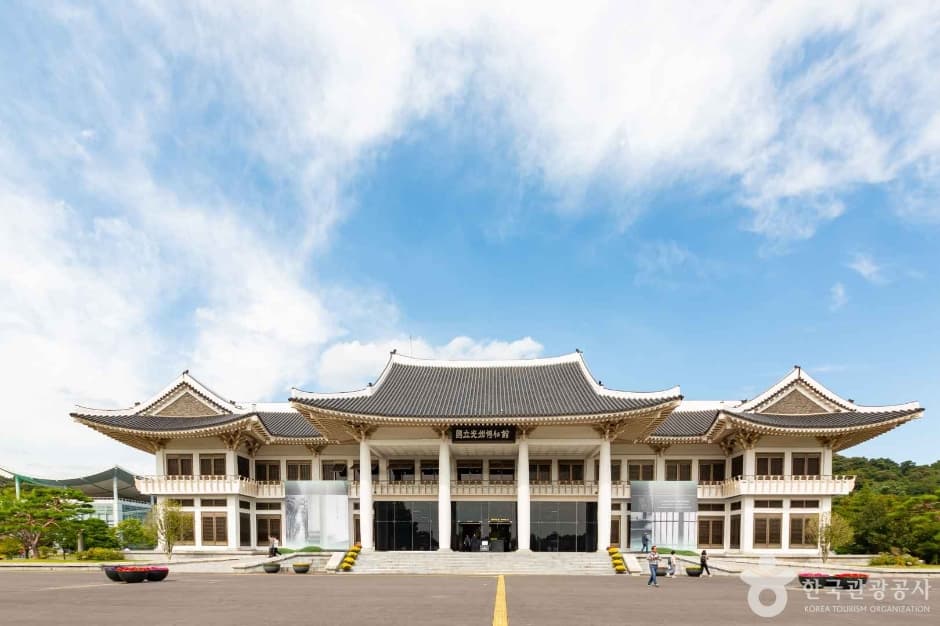
光州国立博物馆

Gwangju National Museum, opened on December 6, 1978, was established to promote the development of cultural arts and to foster patriotism. Gwangju National Museum’s goal is to conserve cultural values through the collection and preservation of historical and valuable artifacts found in the Gwangju and Jeollanam-do regions as well as make contributions to the community through continuous research, exhibition, and education. With over 160,000 artifacts as well as various educational and experience programs, the museum aims to provide an enjoyable cultural center for visitors.
罗州梨博物馆 image

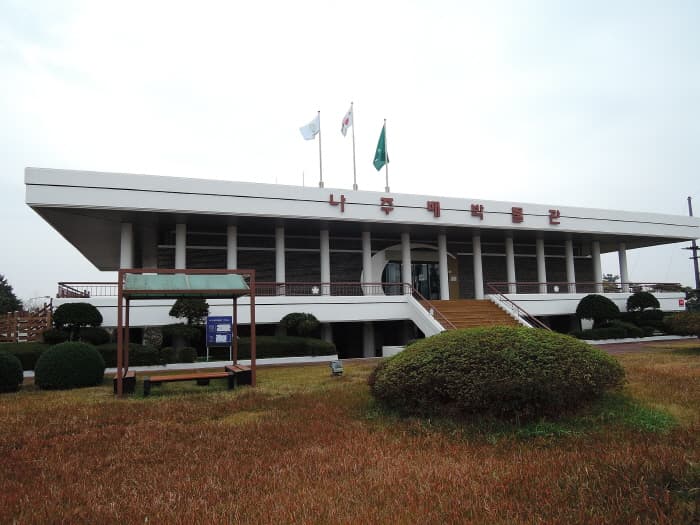
罗州梨博物馆

Known as the birthplace of Korean pears, Naju pears are well-known for its long history. The fruit was exported worldwide starting in 1967. The Naju Pear Museum promotes the fruit and is a learning center for its agricultural history. The museum opened on April 20, 1992 and is the world's only pear museum.

韩国竹博物馆 image

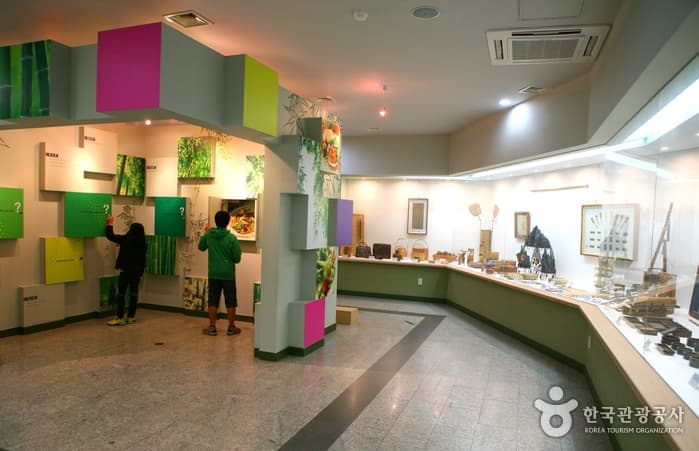
韩国竹博物馆

The Korean Bamboo Museum is a comprehensive complex that preserves, exhibits, produces, and allows people to experience bamboo products. First opened in 1981 at Damju-ri, the museum was expanded and relocated to the current location in March 1998. Not only does the museum provide bamboo-related exhibitions, it also provides techniques on making bamboo products as well as holds the Bamboo Festival every May.

谷城休闲文化中心 image

谷城休闲文化中心

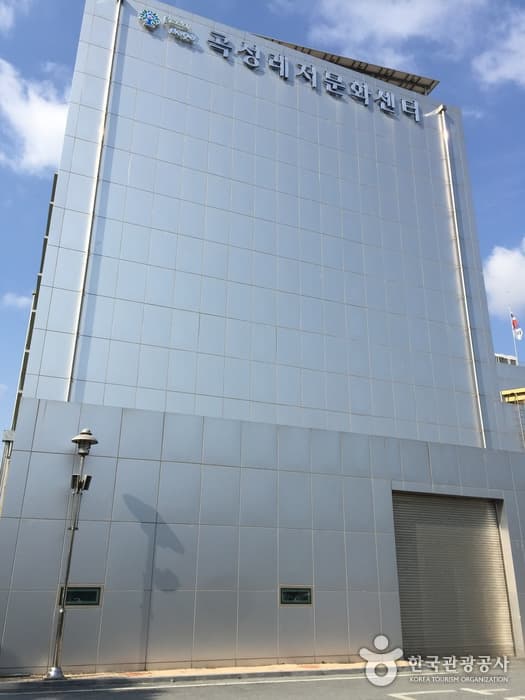
Gokseong Leisure Culture Center was built to provide culture, education, and leisure facilities to the public. There are three concert and lecture halls, Dongak Art Hall, Seomjin Hall, and Daehwang Hall. There are also facilities for hobby and health classes. The center opened on March 11, 2010.

金大中会展中心(Kimdaejung Convention Center) image

金大中会展中心(Kimdaejung Convention Center)

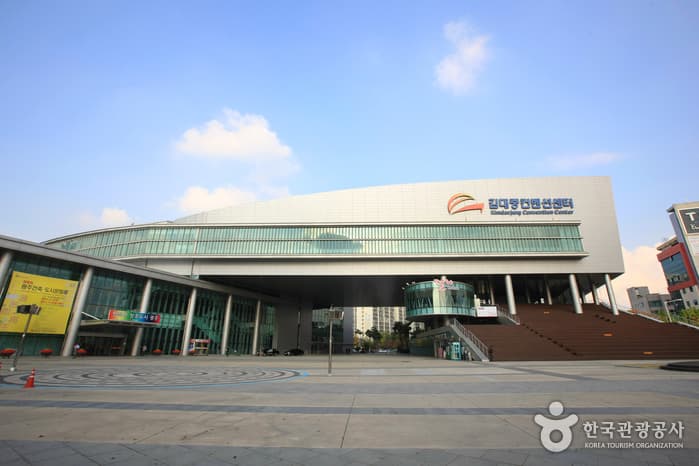
Kimdaejung Convention Center is a state-of-the-art facility in Gwangju, a city with rich cultural heritage and tourism resources. It was built as part of the efforts to promote Gwangju’s competitiveness as a main trade city in northeast Asia to boost local economy and, particularly, tourism resources. The center has served as a main venue for international meetings and exchanges (concerning products, information, culture, and technologies), significantly improving Gwangju’s image. Outstanding services, professional staff, and diverse amenities will make any meeting at Kimdaejung Convention Center pleasant and successful.

康津高丽青瓷博物馆 image

康津高丽青瓷博物馆

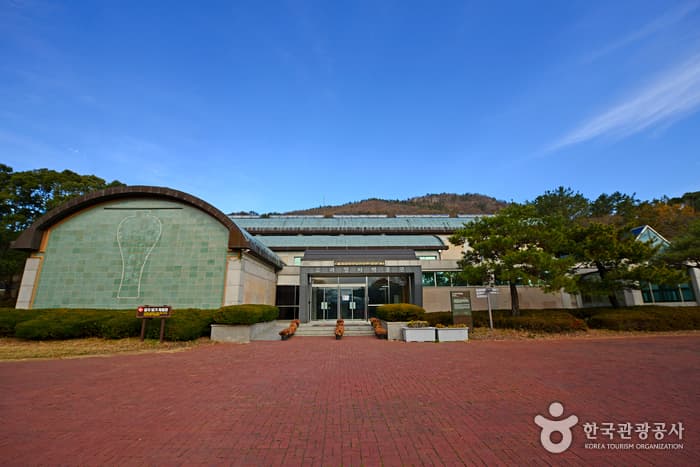
Goryeo Celadon Museum was established to preserve and promote Gangjin celadon, as well as foster knowledge and creativity in regards to celedon in the next generation. The exhibition halls feature smart pads and audio explanations, combining modern technology with ancient relics for better understanding. This museum is considered to be an informative historic site to get knowledge of Goryeo Celadon through the past, present and future.

灵岩陶瓷博物馆 image

灵岩陶瓷博物馆

Yeongam Pottery Museum is dedicated to promoting the history of pottery in Korea, starting from the oldest known pottery coming from Gurim Village. Visitors can learn about the history of this art form through exhibitions, educational programs, and hands-on experiences. Locally produced pottery is also available for sale. Nearby attractions include the Wangin Historic Site and Ha Jung-woong Museum of Art.

韩国伽辞文学馆藏(Korea Gasa Literature Collection) image

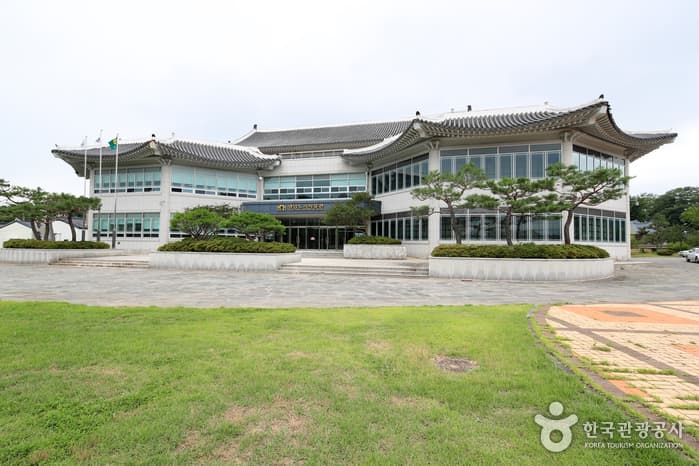
韩国伽辞文学馆藏(Korea Gasa Literature Collection)

The Gasa Literature Collection was completed in October 2000 and is located in Damyang, Jeollanam-do, an area which is famous for its fertile land and rich historical heritage. Apart from the main building, additional buildings include a souvenir shop, and traditional tea house. In the museum, historical literature such as “Myeonangjip” (a collection of Gasa poems by Song Sun) and “Songgangjip,” (a collection of Gasa poems by Jeong Cheol) are on display. There are 11,461 artifacts and literature on Gasa culture, 18 Gasa works, and 15,000 books about Gasa.