Korea Plus +
Home
Community
Spotlight
Events
Guides
ActivityEat & ShopRegional GuidesAccommodationLiving guide
Korea Now
Korea Picks
Korea Plus +
HomeCommunitySpotlightEvents
Guides
ActivityEat & ShopRegional GuidesAccommodationLiving guide
Korea NowKorea Picks
Korea Plus +

Korea Plus + helps international visitors and residents find Korea news, events, travel information, history context, and community discussions in English.

Information may change, so always check official sources before booking or visiting.

Support

koreaplus.support@gmail.comTerms of ServicePrivacy PolicyAbout Us@korea.plus_official

Made by

DNA Studio

Insights by

Plugspace
PayPal QR code for supporting Korea Plus +Support Korea Plus +

© 2026 Korea Plus +. All rights reserved.

가이드

가이드

한국 여행과 문화를 위한 실용 가이드.

Region

전체 지역SeoulJejuBusanIncheonJeonnam-GwangjuJeollanam-doGwangjuGyeonggi-doGyeongsangbuk-doGangwon-doGyeongsangnam-doJeollabuk-doKorea
Show fewer regions

카테고리

전체 카테고리AccommodationCulture & MuseumsRestaurantNature & ParksCafeAttractionsNeighborhoods & StreetsHeritage & History
Show all categories (12)

Showing 7 of 114 guides

필터 지우기
Bijarim Forest image

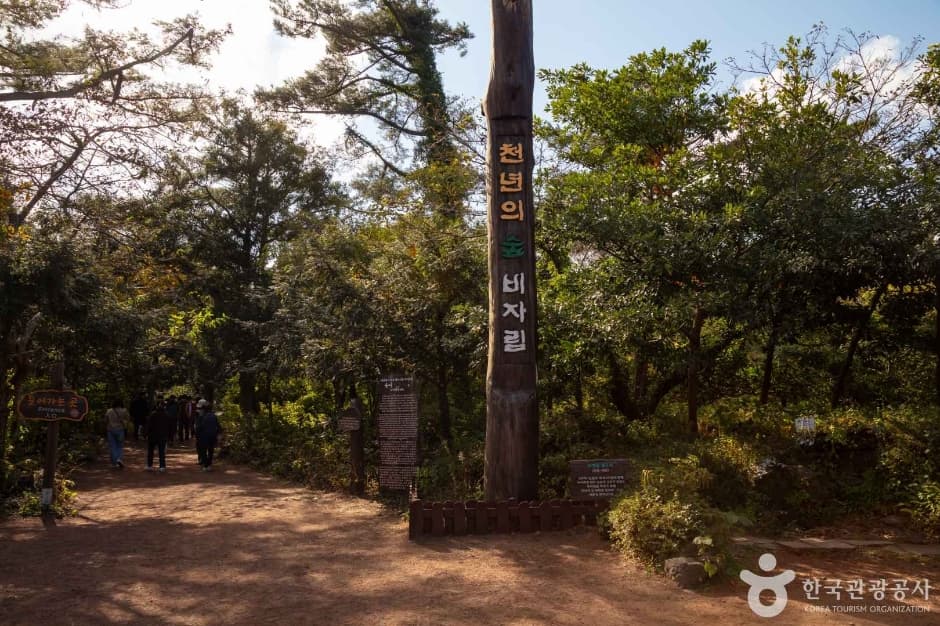
Bijarim Forest

Designated and protected as a Natural Monument, Bijarim Forest is home to 2,800 bija trees, ranging from 500 to 800 years in age, spread over 448,165㎡ land area. These majestic trees range from 7-14 meters in x_height, 50-110 centimeters in diameter, and 10-15 meters in crown x_width, so this forest is quite a rare example of its kind in the world. The berries of bija trees were used widely as a medicine used to kill parasites, while the wood was used to make premium furniture and go boards. Forest bathing in a bija forest helps to combat arteriosclerosis, mitigate physical and psychological fatigue, and restore the body’s rhythm.
Baengnokdam Lake image

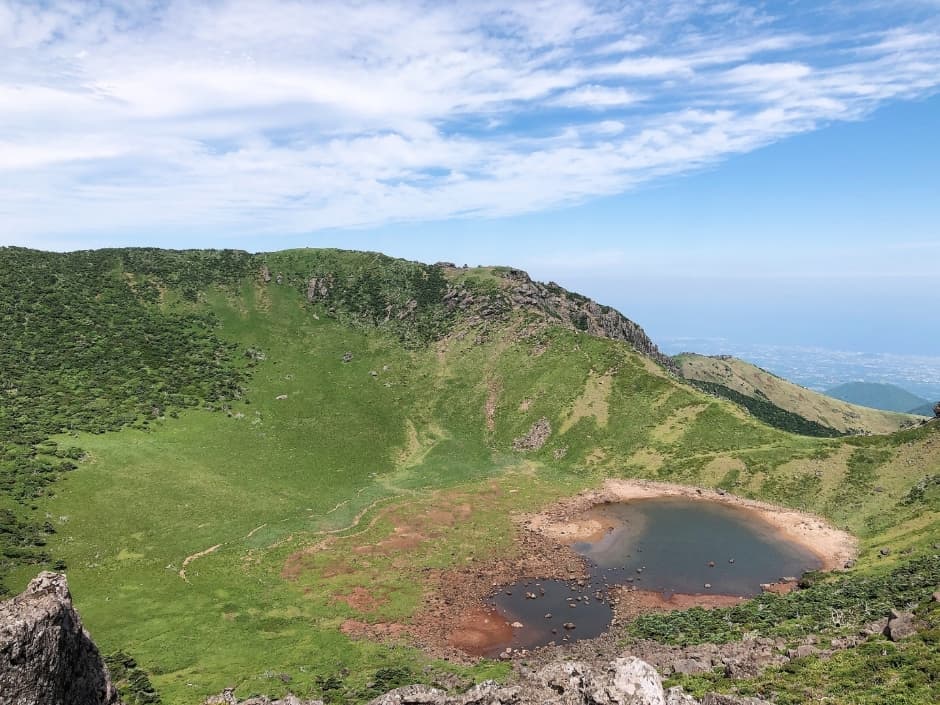
Baengnokdam Lake

Baengnokdam is a crater lake that sits on top of Hallasan Mountain at the center of Jeju Island. It spans 3 kilometers in circumference and 500 meters in diameter, and is surrounded by approximately 360 parasitic cones. At the peak, visitors can feel like floating on clouds.

Camellia Hill image

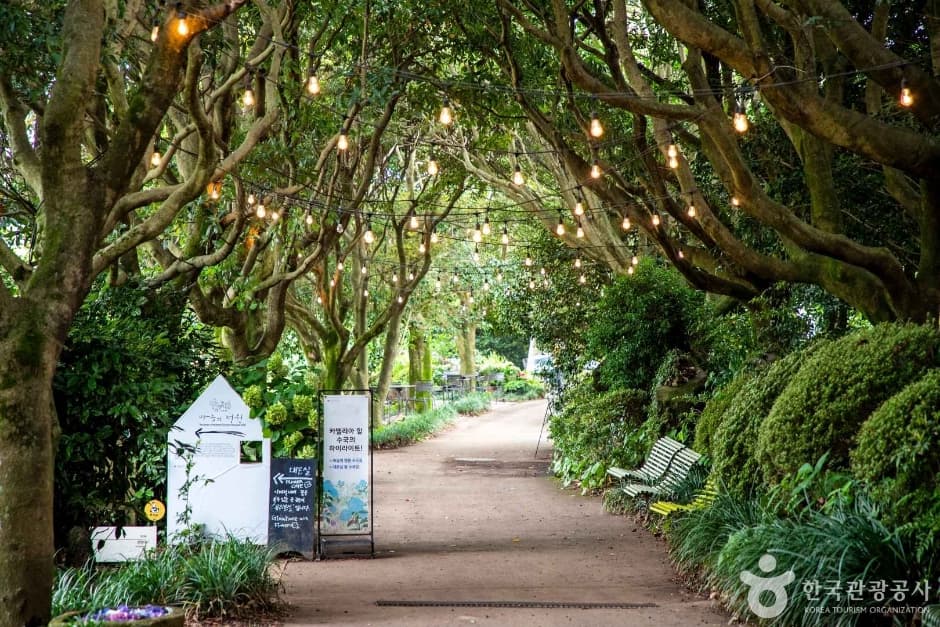
Camellia Hill

Camellia Hill is a camellia arboretum that was created on a 172,000 square meter plot of land in Sangchang-ri, Jeju-do. The arboretum is home to 6,000 camellia trees of 500 different species including species that are known to produce the world’s largest and earliest blossoms. In addition to camellia trees, the arboretum also boasts palm trees, wildflowers, and other plants as well as a sprawling grass plaza and an ecological pond. Auxiliary facilities include a gallery exhibiting camellia-themed crafts and a multipurpose seminar room. Camellia Hill also offers a variety of lodging facilities ranging from thatched-roof cottages and wooden cabins to steel houses and a condominium-type resort.◎ Travel information to meet Hallyu’s charm - variety show "EXchange / Transit Love 3"This is where Ju-won and Yu-jeong had their memorable date, making many viewers feel excited for them. The arboretum is beautiful year-round but is especially spectacular in winter when the red camellias are in bloom.

Manjanggul Lava Tube image

Manjanggul Lava Tube

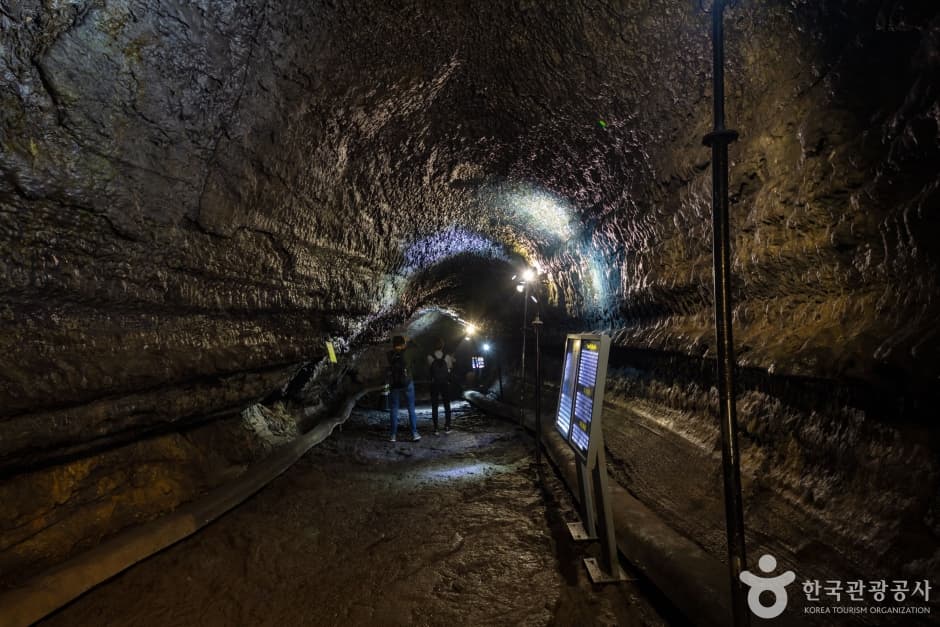
Manjanggul Lava Tube, located in Gimnyeong-ri, Jeju, is part of the Geomunoreum Lava Tube system. The lava tube stretches roughly 7,400 meters, with a maximum x_height of 25 meters and x_width of 18 meters. These measurements make it one of the largest lava tubes in the world. Manjanggul holds great value for science and conservation studies, having well-maintained formations despite being formed over one hundred thousand years ago. The majority of the cave is closed off, with only 1 kilometer being open to tourists. Within this open section, visitors can see a variety of lava tube and cave topographical features, including stalagtites, stalagmites, and stone pillars. Among these, the 7.6-meter-tall stone pillar at the end of the open section is recorded as the largest in the world.

Jeju Stone Park image

Jeju Stone Park

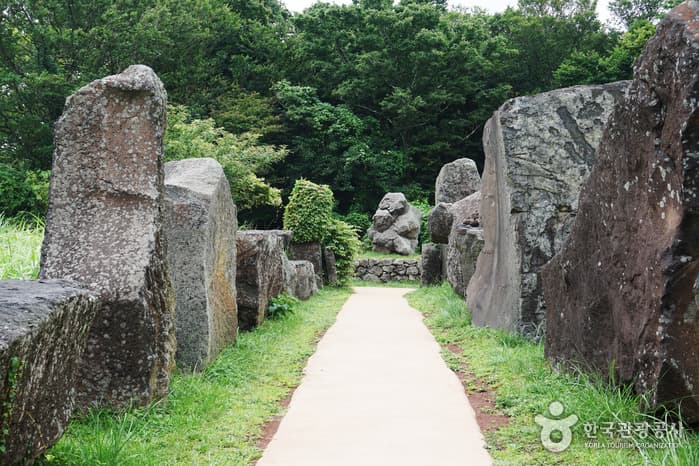
Located in Jocheon-eup, Jeju-si, Jeju Stone Park was inspired by Jeju's culture and applications of stones. The main theme focuses on the foundation and identity of Jeju Island, based on the myth of Seolmundae Halmang (Grandmother Seolmundae), who created Jeju Island and the stones of Obaek Janggun (Five Hundred Generals). The park serves as a historical and cultural space where collected stones respresent Jeju's foundation and culture. ◎ Hallyu Travel Information - Movie The location that served as the backdrop for Ark, the secret laboratory conducting the Witch Project, is located within Jeju Stone Culture Park. 70% of the park's 1 million pyeong area is Gotjawal, where stones, trees, and vines harmonize, capturing the identity and artistry of Jeju.

Baksugijeong Cliffs image

Baksugijeong Cliffs

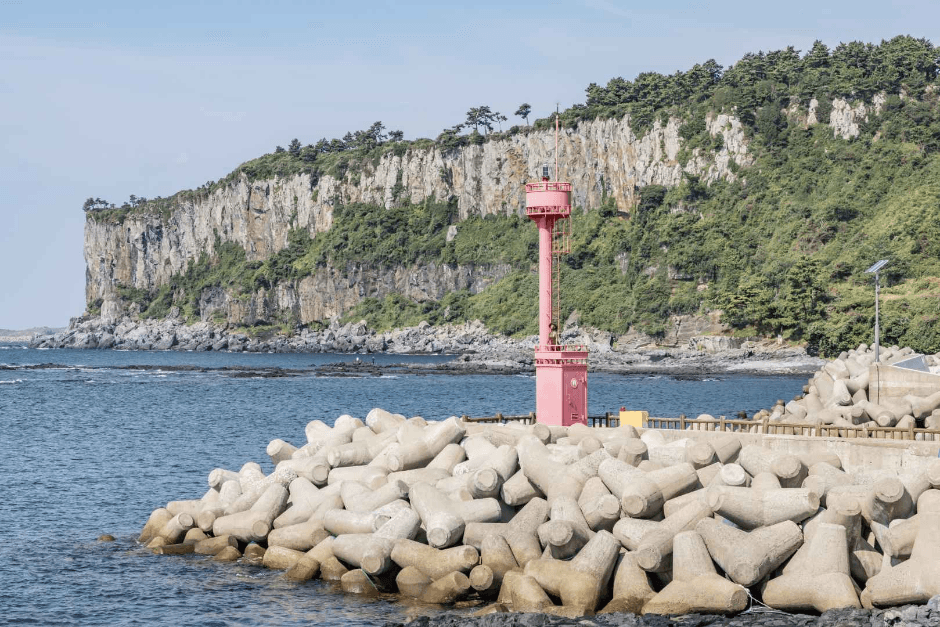
◎ Travel information to meet Hallyu’s charm - variety show "EXchange / Transit Love 3" Ju-won and Yu-jeong enjoyed a romantic date here, taking photos against the sunset and strolling around Daepyeong Port with views of Baksugijeong Cliffs. Reflecting on their time together, Yoo-jung said, “We were together for 15 hours, but never bored at all.”

Hallasan Mountain image

Hallasan Mountain

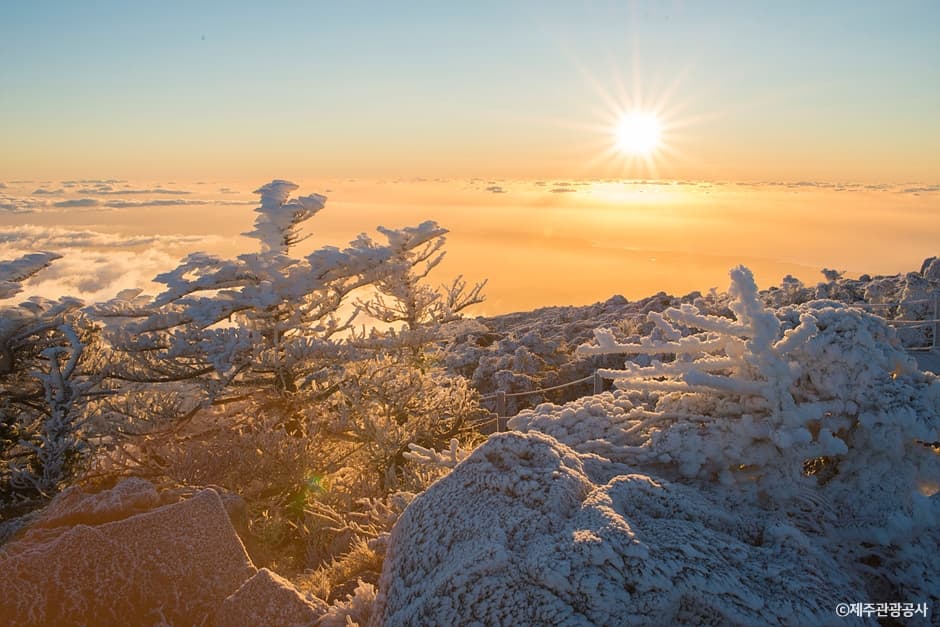
Hallasan Mountain stands proudly at the center of Jeju Island and is perhaps the island’s most memorable landmark. Also called Yeongjusan Mountain, meaning "mountain high enough to pull the galaxy," Hallasan Mountain is widely known by scientists for its geological value. Designated as a national park in 1970, there are 368 parasitic cones called "oreum" (Jeju dialect meaning peak) around the main mountain. Hallasan Mountain is famous for its vertical ecosystem of plants that results from the varying temperatures along the mountainside. Over 1,800 kinds of plants and 4,000 species of animals (3,300 species of insects) have been identified; to explore the mountain's treasures, simply follow one of the well-developed hiking trails.