Korea Plus +
Home
Community
Spotlight
Events
Guides
ActivityEat & ShopRegional GuidesAccommodationLiving guide
Korea Now
Korea Picks
Korea Plus +
HomeCommunitySpotlightEvents
Guides
ActivityEat & ShopRegional GuidesAccommodationLiving guide
Korea NowKorea Picks
Korea Plus +

Korea Plus + helps international visitors and residents find Korea news, events, travel information, history context, and community discussions in English.

Information may change, so always check official sources before booking or visiting.

Support

koreaplus.support@gmail.comTerms of ServicePrivacy PolicyAbout Us@korea.plus_official

Made by

DNA Studio

Insights by

Plugspace
PayPal QR code for supporting Korea Plus +Support Korea Plus +

© 2026 Korea Plus +. All rights reserved.

ガイド

ガイド

韓国旅行と文化に役立つガイド。

Region

すべての地域SeoulJejuBusanIncheonJeonnam-GwangjuJeollanam-do
Show all regions (13)

カテゴリ

すべてのカテゴリAccommodationCulture & MuseumsRestaurantNature & ParksCafeAttractionsNeighborhoods & StreetsHeritage & HistoryCity Tour

Showing 16 of 114 guides

フィルターをクリア
ドリサン展望台 image

ドリサン展望台

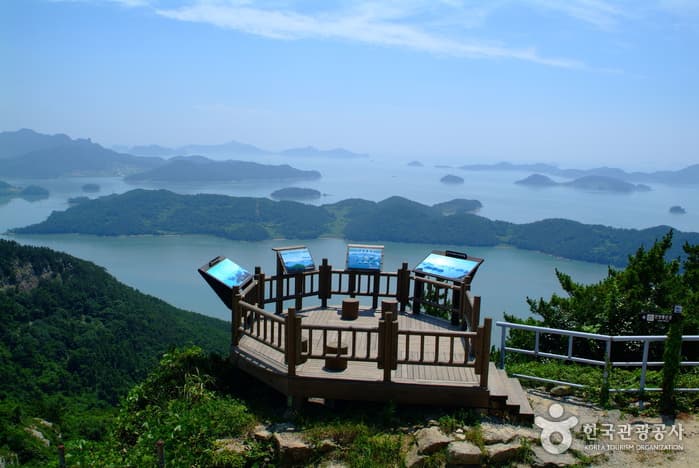
Located at the top of Mt. Dorisan in Yeomi-ri of Sangjodo Island, Dorisan Observatory is the highlight of the area, and offers panoramic views of Dadohae and its many islands including Gwanmae, Byeongpung, Nabae, Daema and Soma Islands. The eco-friendly structure provides panoramic views of nearby islands that locals like to say, “appear scattered over the sea like a flock of birds over water.” Visitors can enjoy majestic sunrise and sunset views, and on days with clear visibility, can see Bogildo Island in Haenam and even as far as Hallasan Mountain and Chujado Island in Jeju. Another of Jodo’s attractions is the nature lover spots on Hajodo Island. Jodo is comprised of the Sangjodo and Hajodo Islands connected by a bridge. The entire area is filled with pine trees and has plenty of beach access. The nearby Dondaebong Peak (230m) and the Hajodo Lighthouse offer comparable views and scenic landscapes for visitors in the area to enjoy.
ファウォン・オセアノ観光団地 image

ファウォン・オセアノ観光団地

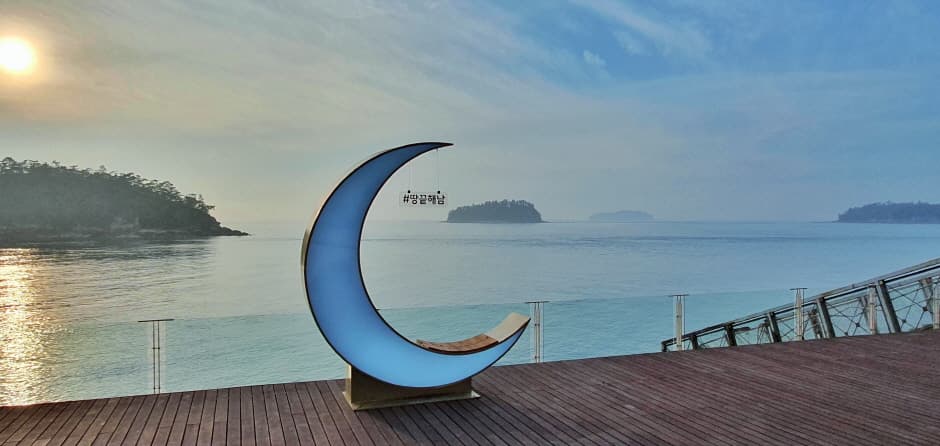
Set before the beautiful Korean archipelago, Hwawon Oceano Tourism Complex offers visitors a romantic beachside camping experience with a large campground and convenience amenities such as shower stalls. The campsite is particularly beautiful at sunset and night when stars fill the sky. Currently, the complex offers a golf course in addition to the campground, with plans to add a culture & arts center and marine world zone. Particularly, Pine Beach Golf Course located inside the tourism complex is surrounded by the ocean on three sides, and is perfect for playing a round of golf toward the endless ocean. The course is regarded as Asia’s Pebble Beach, a small coastal resort destination and home to famous golf courses in California.

One-Day Tour
Rural Experience
Theme Park Shuttle
Show fewer categories
光州国立博物館 image

光州国立博物館

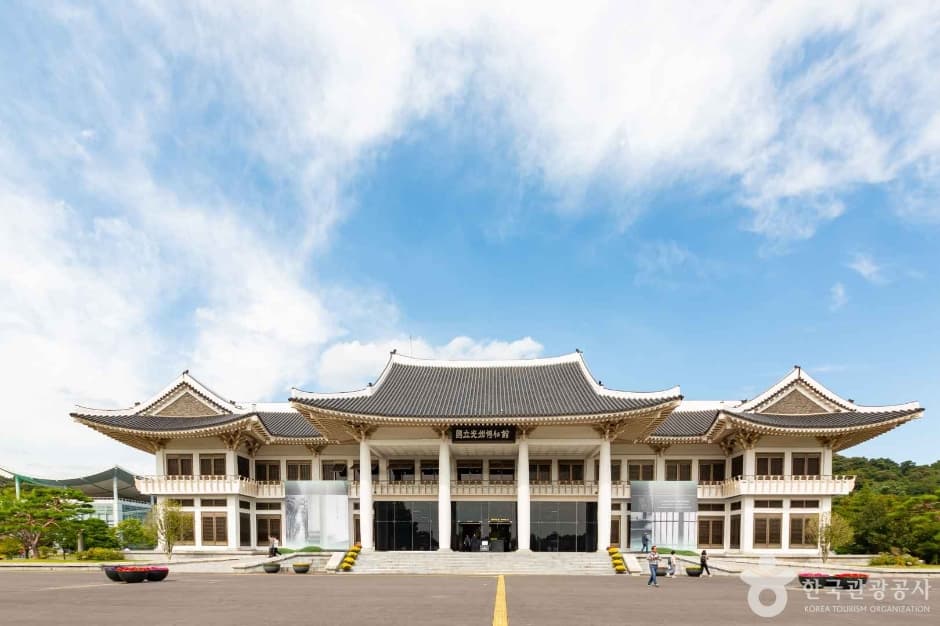
Gwangju National Museum, opened on December 6, 1978, was established to promote the development of cultural arts and to foster patriotism. Gwangju National Museum’s goal is to conserve cultural values through the collection and preservation of historical and valuable artifacts found in the Gwangju and Jeollanam-do regions as well as make contributions to the community through continuous research, exhibition, and education. With over 160,000 artifacts as well as various educational and experience programs, the museum aims to provide an enjoyable cultural center for visitors.

羅州梨博物館(Naju Pear Museum) image

羅州梨博物館(Naju Pear Museum)

Known as the birthplace of Korean pears, Naju pears are well-known for its long history. The fruit was exported worldwide starting in 1967. The Naju Pear Museum promotes the fruit and is a learning center for its agricultural history. The museum opened on April 20, 1992 and is the world's only pear museum.

韓国竹博物館 image

韓国竹博物館

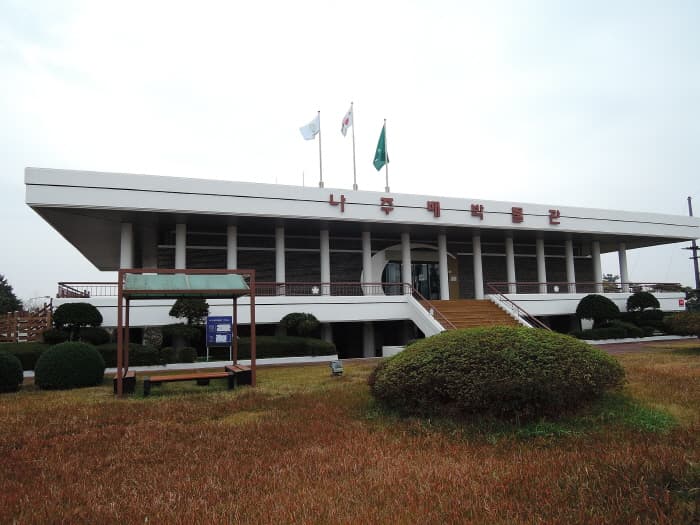
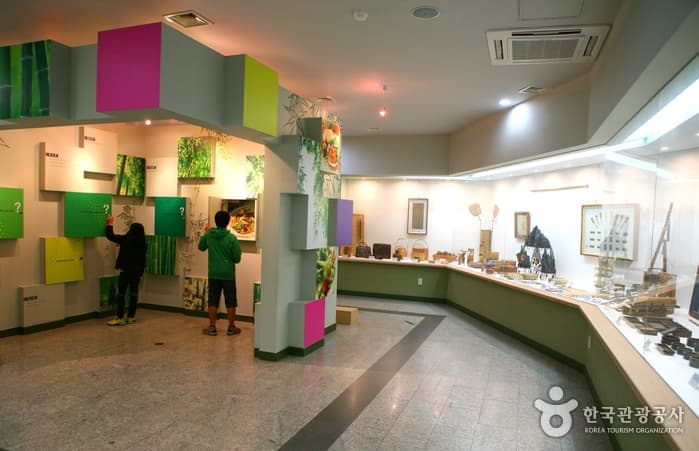
The Korean Bamboo Museum is a comprehensive complex that preserves, exhibits, produces, and allows people to experience bamboo products. First opened in 1981 at Damju-ri, the museum was expanded and relocated to the current location in March 1998. Not only does the museum provide bamboo-related exhibitions, it also provides techniques on making bamboo products as well as holds the Bamboo Festival every May.

中外公園(Jungoe Park) image

中外公園(Jungoe Park)

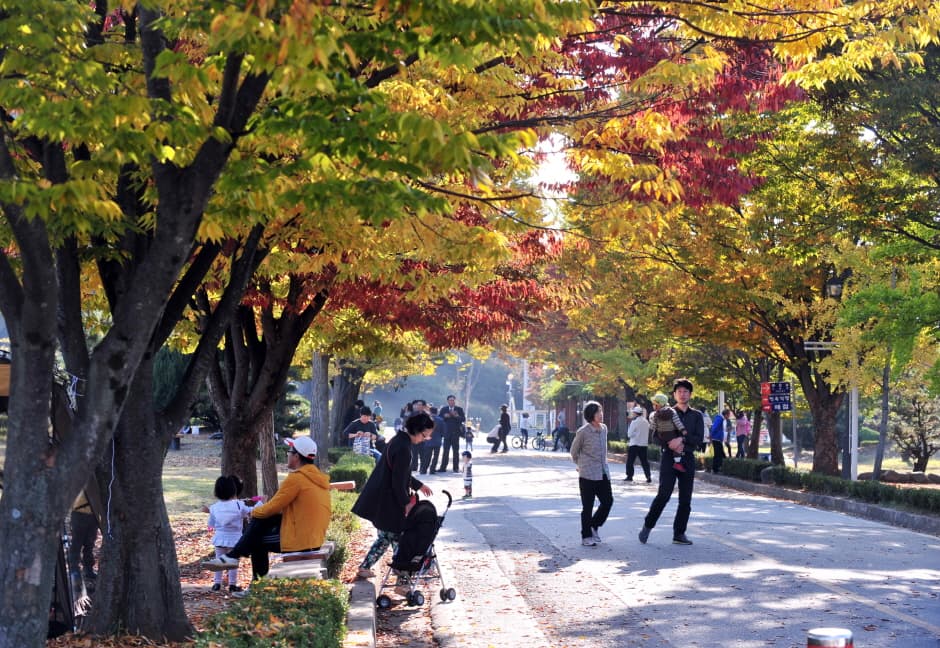
Jungoe Park is one of the nation's most famous leisure spaces. There is a children's grand park, the Olympic Garden, and the Olympic Monument. The children's grand park is especially popular on weekends and holidays. There is also a folk museum, an education center, and the Biennale Exhibition Hall in the Biennale & Museum section of the park. The park is most popular during fall for its beautiful foliage. In addition, the Rainbow Bridge is a symbol of the Biennale and was installed during the 1st Gwangju Biennale.

谷城レジャー文化センター image

谷城レジャー文化センター

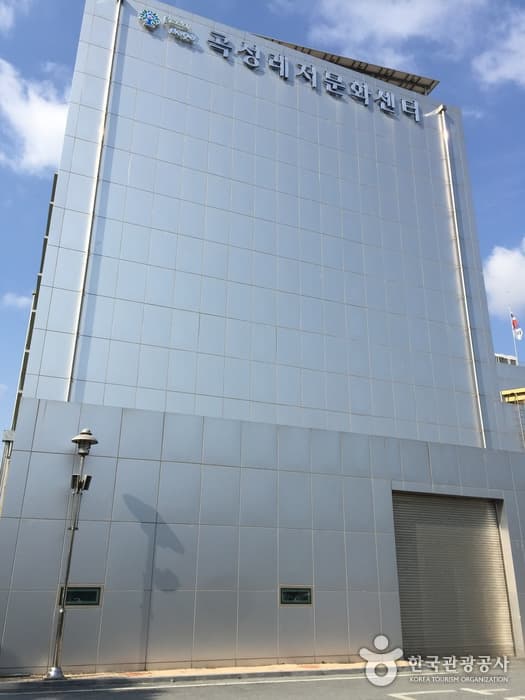
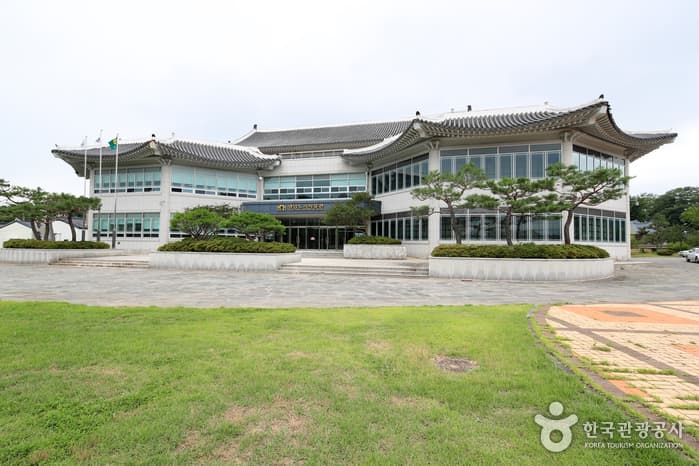
Gokseong Leisure Culture Center was built to provide culture, education, and leisure facilities to the public. There are three concert and lecture halls, Dongak Art Hall, Seomjin Hall, and Daehwang Hall. There are also facilities for hobby and health classes. The center opened on March 11, 2010.

金大中コンベンションセンター image

金大中コンベンションセンター

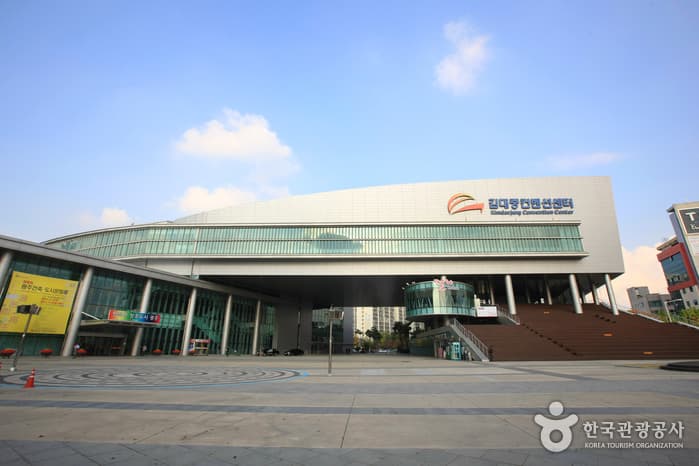
Kimdaejung Convention Center is a state-of-the-art facility in Gwangju, a city with rich cultural heritage and tourism resources. It was built as part of the efforts to promote Gwangju’s competitiveness as a main trade city in northeast Asia to boost local economy and, particularly, tourism resources. The center has served as a main venue for international meetings and exchanges (concerning products, information, culture, and technologies), significantly improving Gwangju’s image. Outstanding services, professional staff, and diverse amenities will make any meeting at Kimdaejung Convention Center pleasant and successful.

忠壮路(チュンジャンロ)通り image

忠壮路(チュンジャンロ)通り

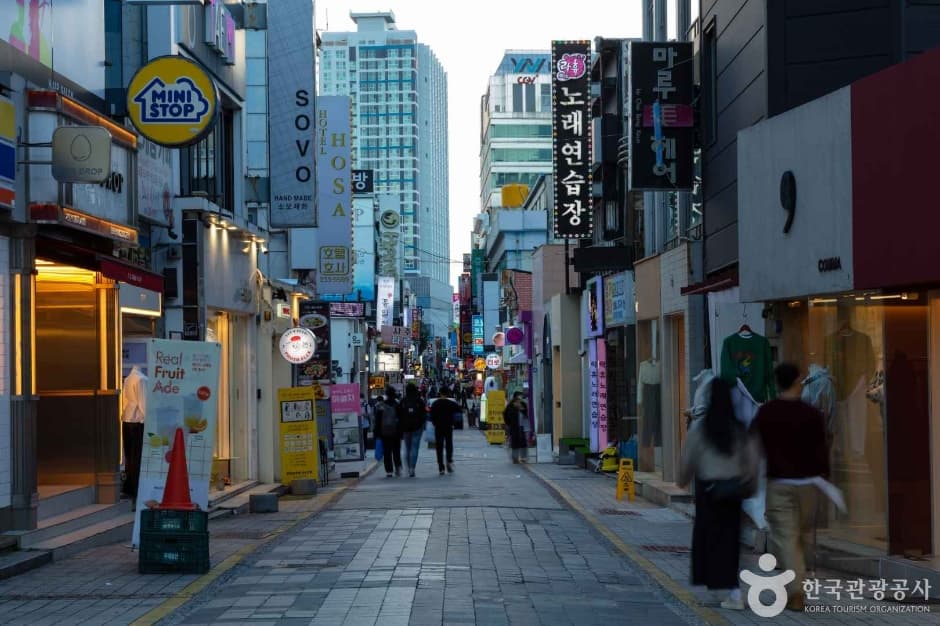
Chungjang-ro Street is Gwangju’s major fashion district, comparable with Myeongdong Street of Seoul. The streets of Chungjang-ro are lined with shopping malls, clothing stores, restaurants, cafes, movie theaters and various other attractions, providing the ultimate experience of modern culture in Gwangju. It is the city's hub of fashion, both trendy and traditional, as well as venue for diverse performances.

康津高麗青磁博物館 image

康津高麗青磁博物館

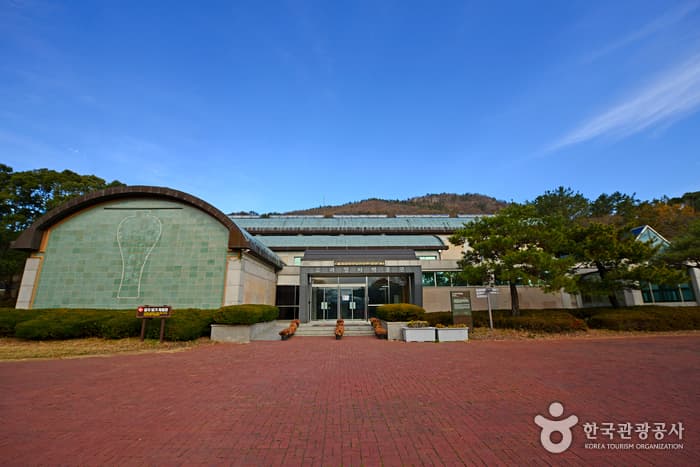
Goryeo Celadon Museum was established to preserve and promote Gangjin celadon, as well as foster knowledge and creativity in regards to celedon in the next generation. The exhibition halls feature smart pads and audio explanations, combining modern technology with ancient relics for better understanding. This museum is considered to be an informative historic site to get knowledge of Goryeo Celadon through the past, present and future.

光州芸術会館(Gwangju Arts Center) image

光州芸術会館(Gwangju Arts Center)

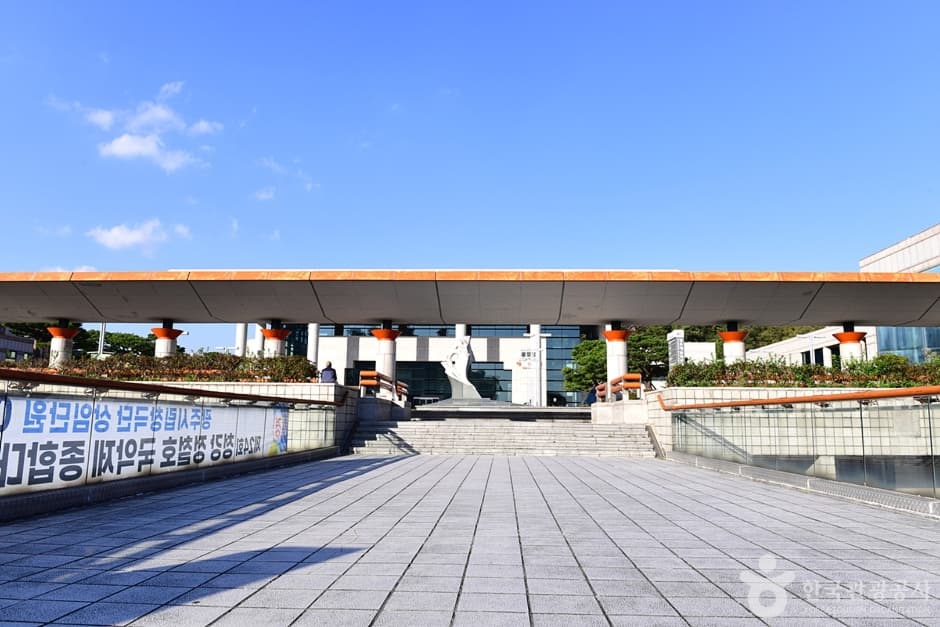
Opened in 1991, the Gwangju Arts Center is the cornerstone of culture and arts in Gwangju. It offers high-quality performances and exhibitions across various genres, including Korean traditional music, opera, classical music, and ballet. The center boasts a range of artistic facilities, such as a main theater, a secondary theater, a traditional music hall, a sculpture garden, and an amphitheater. The main theater has a seating capacity for up to 1,500 people.

霊岩陶磁博物館 image

霊岩陶磁博物館

Yeongam Pottery Museum is dedicated to promoting the history of pottery in Korea, starting from the oldest known pottery coming from Gurim Village. Visitors can learn about the history of this art form through exhibitions, educational programs, and hands-on experiences. Locally produced pottery is also available for sale. Nearby attractions include the Wangin Historic Site and Ha Jung-woong Museum of Art.

長城湖観光地 image

長城湖観光地

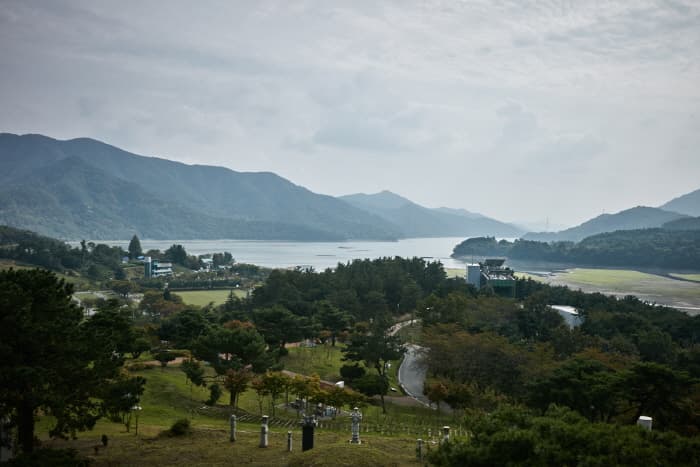
Jangseongho Tourist Area is located south of Naejangsan National Park, in Jangseong, known as the hometown of Hong Gil-dong, a Korean Robin Hood. The lake was made by the damming of Hwangnyonggang River, and holds up to 89.7 million tons of water, filled with many freshwater fish species. In addition, the walking path along the 603-meter-long embankment attracts many tourists with beautiful views of the mountains and lake. Cruise ferries and motorboats also cross the lake. Nearby attractions include Ibamsan and Baegamsan Mountains, Namchanggyegok Valley, Baegyangsa and Naejangsa Temples, Gosanseowon Confucian Academy, Bangjangsan Recreational Forest, and more.

蟾津江トレインビレッジ image

蟾津江トレインビレッジ

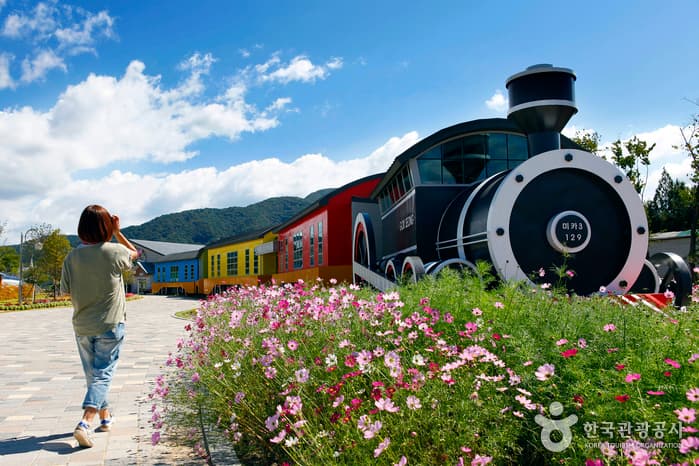
Since its development in April 1999 as a part of government efforts to boost regional tourism, Seomjingang Train Village has established itself as a popular attraction in Gokseong. A replica of the region's old steam engine train runs 10 kilometers between the old Gokseong Station in Seomjingang Train Village and Gajeong Station. The train runs along the old tracks at a moderate speed, allowing passengers to enjoy the scenic view along the tracks.

韓国 伽辞(カサ)文学コレクション image

韓国 伽辞(カサ)文学コレクション

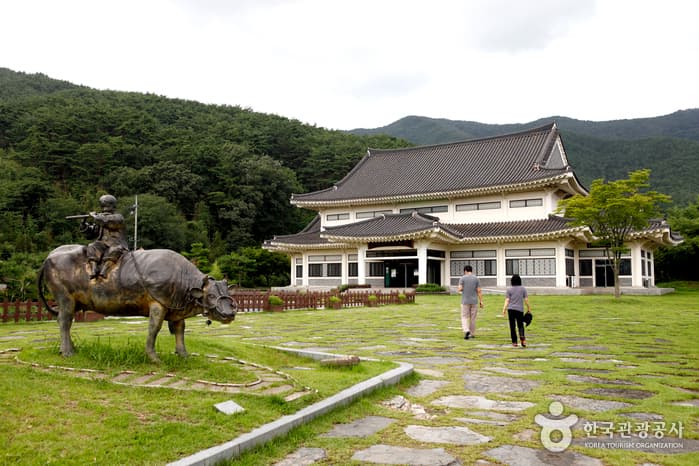
The Gasa Literature Collection was completed in October 2000 and is located in Damyang, Jeollanam-do, an area which is famous for its fertile land and rich historical heritage. Apart from the main building, additional buildings include a souvenir shop, and traditional tea house. In the museum, historical literature such as “Myeonangjip” (a collection of Gasa poems by Song Sun) and “Songgangjip,” (a collection of Gasa poems by Jeong Cheol) are on display. There are 11,461 artifacts and literature on Gasa culture, 18 Gasa works, and 15,000 books about Gasa.

長興 正南津(チャンフン・チョンナムジン) image

長興 正南津(チャンフン・チョンナムジン)

Jangheung-gun’s Jeongnamjin is the warmest place on the Korean mainland. The region has a diverse natural environment including stunning views of mountains, fields, the ocean, lakes, rivers and streams. It also has several cultural and tourist sites such as Cheongwansan Mountain, Bangchon Cultural Village, and Borimsa Temple, one of the three Borimsa Temples in Asia. The Jeongnamjin district has a wide variety of tourist attractions nearby such as the Samsan Embankment; a provincial park on Cheongwansan Mountain; a literature park; and Sodeungseom Island, a famous sunset attraction often used as a filming location and festival grounds. A number of festivals are held around the area to promote the region's diverse produce and beauty.