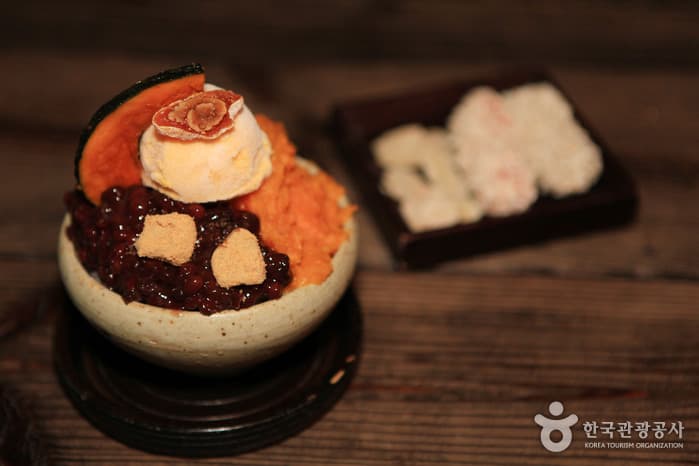
Korea Plus +
Home
Community
Spotlight
Events
Guides
ActivityEat & ShopRegional GuidesAccommodationLiving guide
Korea Now
Korea Picks
Korea Plus +
HomeCommunitySpotlightEvents
Guides
ActivityEat & ShopRegional GuidesAccommodationLiving guide
Korea NowKorea Picks
Korea Plus +

Korea Plus + helps international visitors and residents find Korea news, events, travel information, history context, and community discussions in English.

Information may change, so always check official sources before booking or visiting.

Support

koreaplus.support@gmail.comTerms of ServicePrivacy PolicyAbout Us@korea.plus_official

Made by

DNA Studio

Insights by

Plugspace
PayPal QR code for supporting Korea Plus +Support Korea Plus +

© 2026 Korea Plus +. All rights reserved.

Guides

Guides

Helpful travel and culture guides for Korea.

Region

All regionsSeoulJejuBusanIncheonJeonnam-GwangjuJeollanam-doGwangjuGyeonggi-doGyeongsangbuk-doGangwon-doGyeongsangnam-doJeollabuk-doKorea
Show fewer regions

Category

All categoriesAccommodationCulture & MuseumsRestaurantNature & ParksCafeAttractionsNeighborhoods & StreetsHeritage & History
Show all categories (12)

Showing 31 of 114 guides

Clear filters
RYSE Autograph Collection Seoul by Marriott Accommodation Guide image

RYSE Autograph Collection Seoul by Marriott Accommodation Guide

## Highlights - Located in central Seoul with easy access to Hongdae Street. - Works well with Seoul Station, Myeongdong, and Namdaemun Market day plans. - A good fit for travelers who prefer a design-forward luxury hotel. Booking link: https://affiliate.klook.com/redirect?aid=126864&aff_adid=1335963&k_site=https%3A%2F%2Fwww.klook.com%2Fko%2Fhotels%2Fdetail%2F426496-ryse-autograph-collection-seoul-by-marriott%2F%3Fcheck_in%3D2026-08-10%26check_out%3D2026-08-11%26room_num%3D1%26adult_num%3D1%26child_num%3D0

BEER UP image

BEER UP

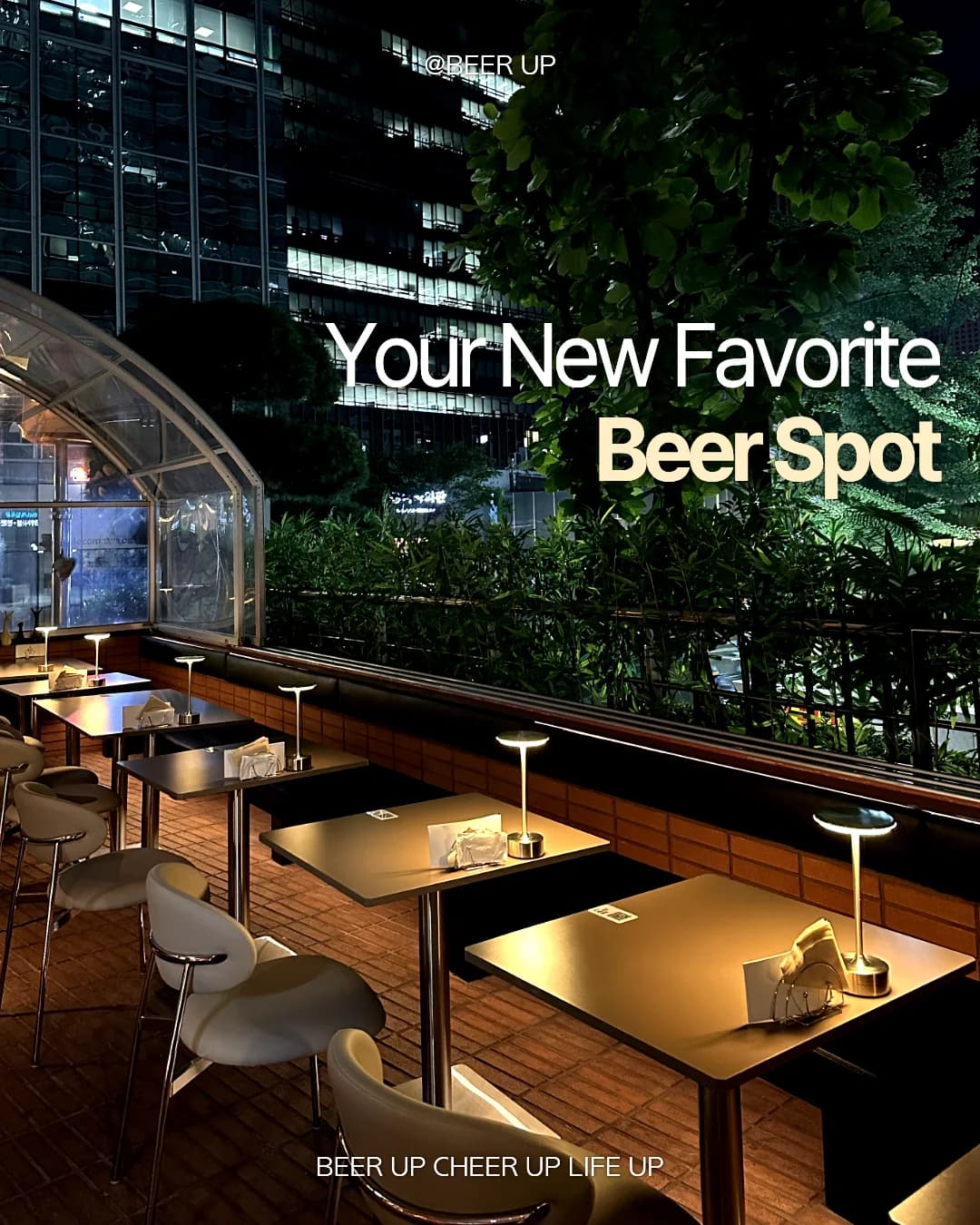
BEER UP is a Korea Plus Eat & Shop guide for planning a useful stop in Seoul. The goal is not to repeat a short API summary, but to turn the listing into a readable visitor plan: what kind of stop it is, how it can fit into a day, and what you should confirm before going. Use this page when you need a realistic meal, cafe break, market browse, or shopping pause near your route. A good Eat & Shop plan should support the day rather than take over the whole itinerary, so this guide focuses on location, timing, expectations, backup planning, and simple decision points for international visitors. Before you go, save the name and address in a map app, check the most recent hours or last-order rules, and keep one nearby alternative ready. Menus, stock, reservations, prices, and temporary closures can change quickly, especially around weekends, holidays, weather shifts, and peak dining hours. ## Why Visit - It gives you a concrete restaurant idea in Seoul without starting from a blank map search. - It can work as a meal anchor, coffee break, dessert stop, market browse, or shopping errand between bigger sightseeing plans. - It helps you plan around real travel friction: walking distance, crowding, payment, language comfort, and whether the stop is worth the detour. - It is easier to enjoy when paired with one nearby attraction, one rest stop, and a flexible backup instead of a packed schedule. ## What To Expect Treat this as a meal or snack anchor. Check whether it is better for lunch, dinner, solo dining, groups, quick ordering, or a slower sit-down meal before building the rest of the route around it. If you are traveling with other people, agree on the purpose of the stop first. Some visitors want a photo-friendly place, some want a specific dish, some want efficient shopping, and some simply need a comfortable break. Clear expectations make the route smoother. ## Planning Notes - Save the Korean and English place name if available, plus the address. - Check current hours, last order, reservation rules, break time, and holiday closures. - Card payment is common in Korea, but small markets, pop-ups, and older vendors can vary. - Keep a translation app ready for menu questions, allergies, tax refund requests, or directions. - If the stop is crowded or closed, switch to your saved backup and keep the route simple. ## Suggested Pairing Pair BEER UP with a nearby neighborhood walk instead of crossing the city for only one stop. In Seoul, Eat & Shop plans usually work best when a cafe, restaurant, market, or shop is close to another attraction, transit hub, park, museum, or shopping street. For cafes and restaurants, leave enough time for queues, ordering, and a relaxed break. For markets and shops, allow time to browse without making the day feel rushed. Weather also matters: rainy days favor indoor cafes and malls, while clear days make markets, streets, and coastal routes easier to enjoy. ## Final Tips Keep this as a flexible stop, not a rigid appointment. Confirm the latest information, save the address, prepare a short translated request if needed, and choose one nearby backup before leaving. That small bit of planning makes Eat & Shop stops feel like a useful part of the trip rather than a stressful detour.

Seoul City Tour Bus Downtown Palace Namsan Course Guide image

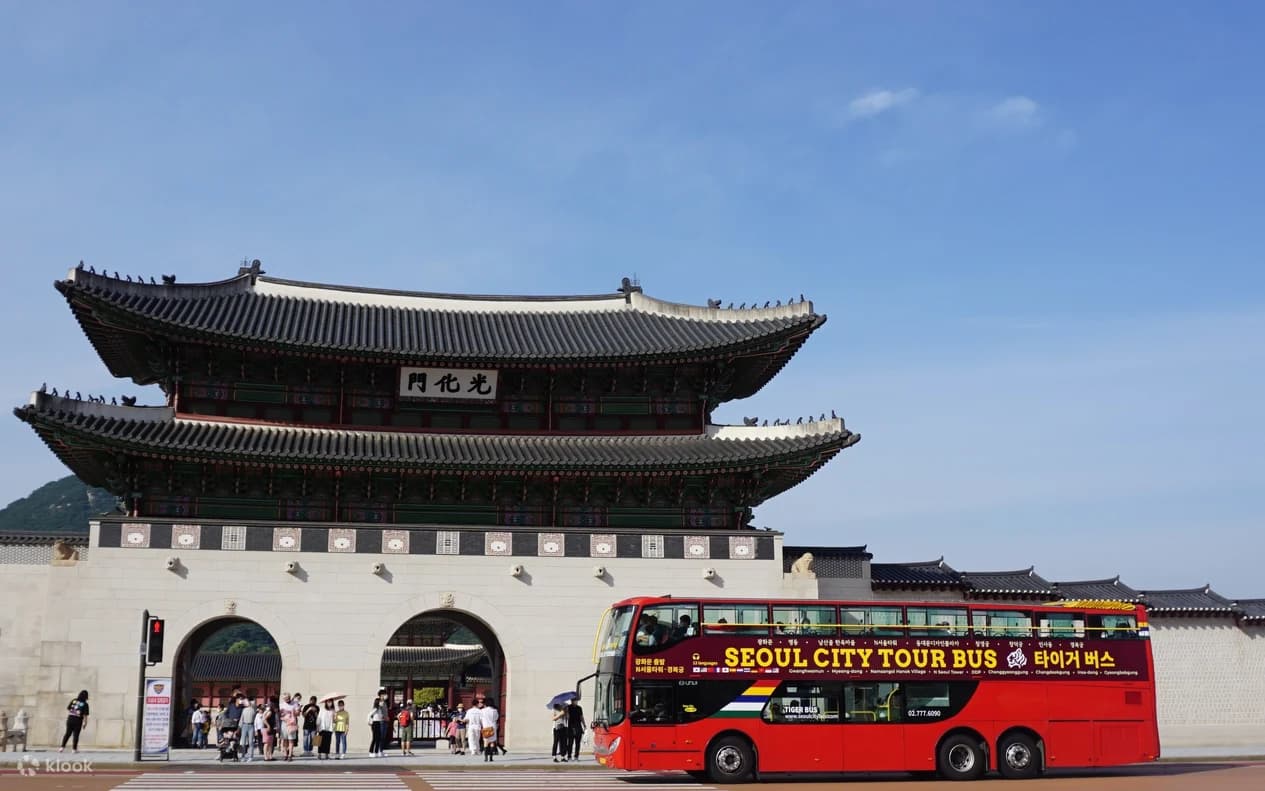
Seoul City Tour Bus Downtown Palace Namsan Course Guide

## Highlights - Exchange your ticket at the Gwanghwamun ticket office before boarding. - The route loops through major Seoul sights including Myeongdong, Cheong Wa Dae, Namsan, and Hanok Village. - Get off at stops you want to explore, then board the next bus later. - Depending on reservation and traffic conditions, the vehicle may be an open-top double-decker, open single-decker, or regular double-decker bus. - Outside food and drinks are not allowed inside the bus. Booking link: https://affiliate.klook.com/redirect?aid=126864&aff_adid=1335961&k_site=https%3A%2F%2Fwww.klook.com%2Fko%2Factivity%2F87163-seoul-city-tour-bus-seoul-trip-center-palaces-course-hop-on-hop-off-bus-tour-seoul

Shilla Stay Gangnam Yeoksam Accommodation Guide image

Shilla Stay Gangnam Yeoksam Accommodation Guide

## Highlights - Located in central Gangnam near Teheran-ro. - Useful for plans around Gangnam Finance Center, Seonjeongneung, and Kukkiwon. - Practical for travelers combining business, shopping, meetings, and city movement. Booking link: https://affiliate.klook.com/redirect?aid=126864&aff_adid=1335968&k_site=https%3A%2F%2Fwww.klook.com%2Fko%2Fhotels%2Fdetail%2F272575-shilla-stay-gangnam-yeoksam%2F%3Fcheck_in%3D2026-08-09%26check_out%3D2026-08-10%26room_num%3D1%26adult_num%3D1%26child_num%3D0

Aank Air Hotel Gaebong image

Aank Air Hotel Gaebong

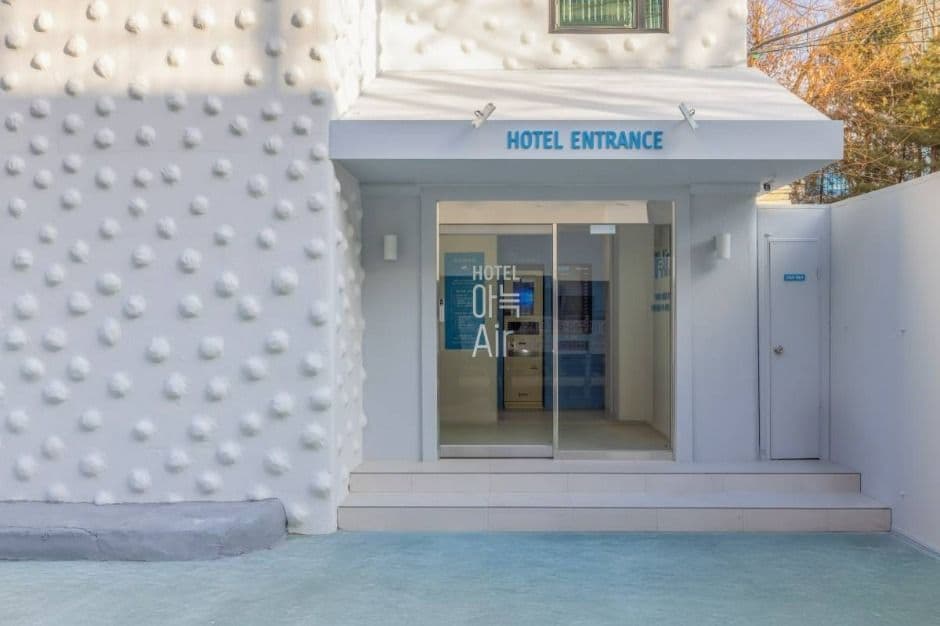
Aank Air Hotel Gaebong is located 2 minute's walking distance from Gaebong Station, making it a convenient location for guests who opt to use the subway for traveling in Seoul. The hotel takes cleanliness and comfort seriously, making sure the guests enjoy their experience during their stay. The hotel offers a basic standard room type for comfort and a movie room for entertainment, each carefully curated to meet guests' needs and interests.

Aank Hotel & Spa Jongno Unni Branch image

Aank Hotel & Spa Jongno Unni Branch

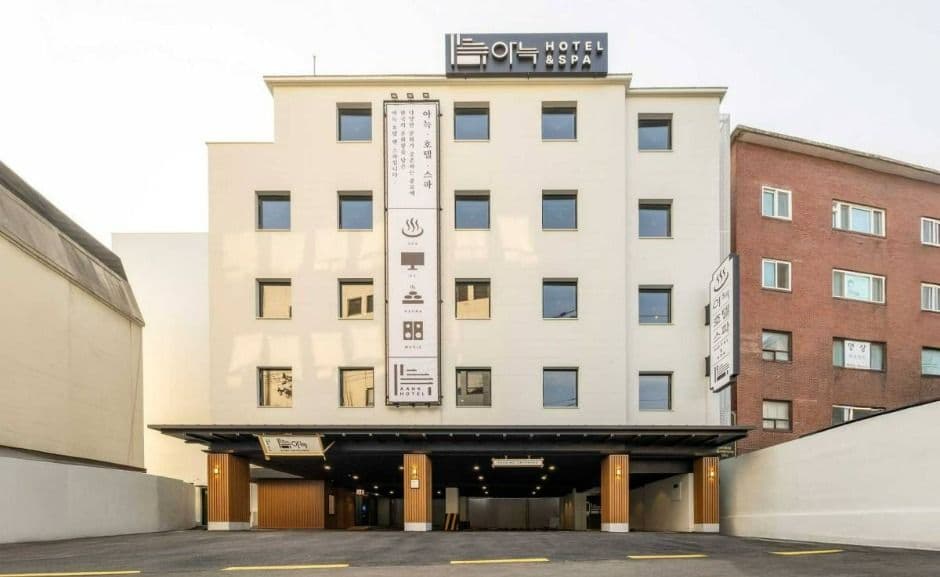
Aank Hotel & Spa Jongno Unni Branch embodies the warmth and charms of Korea. Guests are welcome to unwind with diverse room options to choose from such as the msuic room, signature spa room, desktop 2-PC room, and standard room. It's location in the heart of Seoul makes it a great place for tourists as well as well.

Aank Hotel Yeongdeungpo image

Aank Hotel Yeongdeungpo

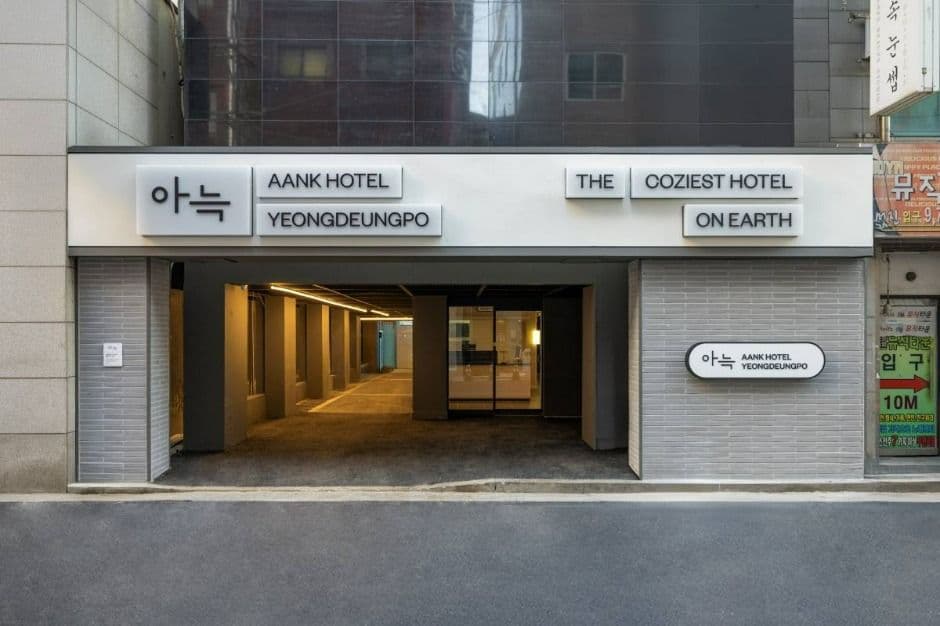
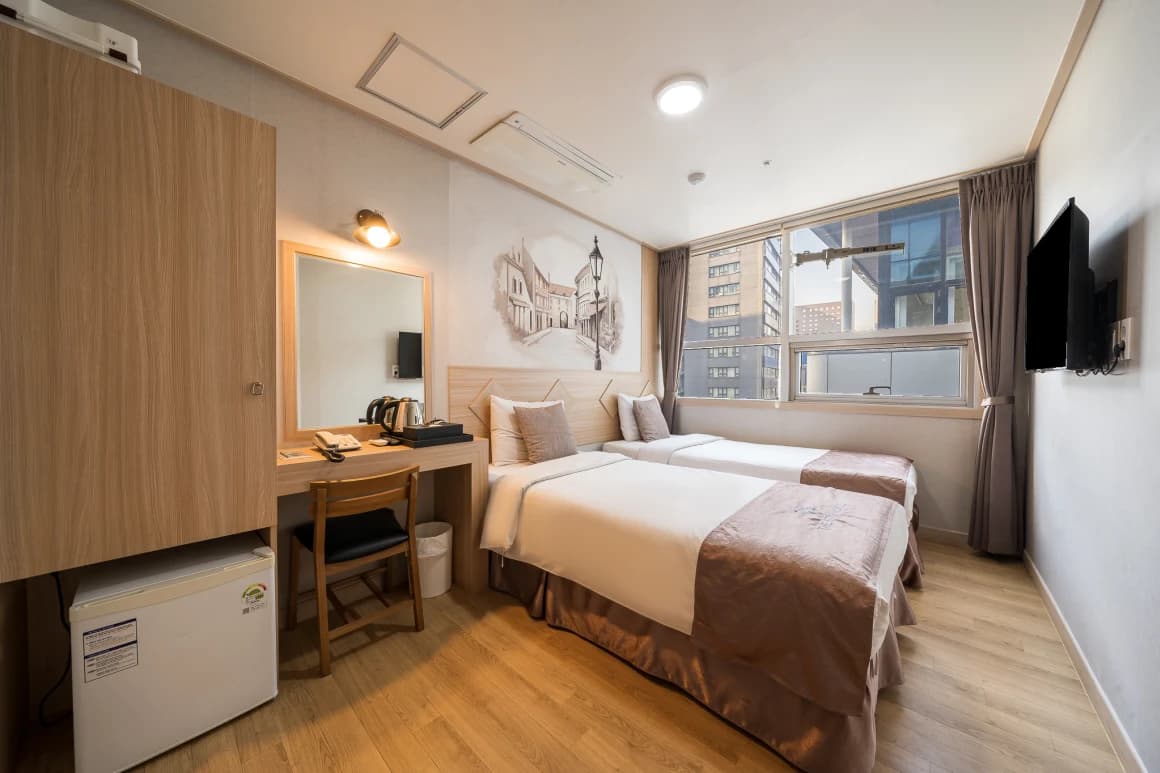
Located within 5 minute's walking distance from Yeongdeungpo Station, Aank Hotel Yeongdeungpo has major attractions like Times Square and Yeongdeungpo Market in the vicnity. The hotel lobby has a coffee machine, ice dispenser, and water dispenser for guests' convenience. Equipped with a variety of room types, guests can enjoy both comfort and entertainment at Aank Hotel Yeongdeungpo.

The Stay Hotel Myeongdong image

The Stay Hotel Myeongdong

The Stay Hotel Myeongdong is an accommodation option in Myeongdong, Seoul. Korea Plus rewrites the Klook hotel information into a planning-friendly guide instead of leaving it as a short API-style summary. The source listing places the property at 31 Myeongdong 8ga-gil, with 35 and access notes around Myeong-dong Station 100m; Seoul Station 1.6km. This makes it useful when you want a real hotel page to compare by location, room scale, facilities, and nearby movement rather than only by price. ## Why Stay - Location fit: Prime Myeongdong base near subway, airport bus, shopping, dining, night market, and Myeongdong Cathedral. - Facilities noted by Klook: WiFi, luggage storage - Nearby reference points: Myeong-dong Station, Seoul Station, Gimpo International Airport - Traveler signal: Family-friendly notes, good location, view, and friendly staff appear on Klook. ## Location Notes Myeong-dong Station 100m; Seoul Station 1.6km is the main movement reference from the Klook page. Use it as a starting point, then check your own route for airport arrival time, luggage, transfer count, and late-night return plans. In Korea, a hotel that is close to the right subway station or airport route can be more useful than a hotel that is only close to one attraction. ## Booking Notes After 15:00 / before 11:00. Klook policies can vary by room type, date, guest count, age rule, breakfast option, and payment method. Confirm the current cancellation rules, deposits, breakfast fees, parking, child policy, and check-in instructions before booking. ## Good to Know Save the hotel name, address, and booking page before you travel. If you arrive early or late, message or call the property through the booking channel. For a smoother trip, compare this stay with one backup in the same district and one backup near your arrival station or airport route.

Hotel Thomas Myeongdong image

Hotel Thomas Myeongdong

Hotel Thomas Myeongdong is an accommodation option in Myeongdong / City Hall, Seoul. Korea Plus rewrites the Klook hotel information into a planning-friendly guide instead of leaving it as a short API-style summary. The source listing places the property at 26 Sejong-daero 16-gil, Jung-gu, with 123 and access notes around City Hall 200m; Seoul Station 1.2km. This makes it useful when you want a real hotel page to compare by location, room scale, facilities, and nearby movement rather than only by price. ## Why Stay - Location fit: Central location near City Hall Station, Myeongdong Street, Namdaemun Market, airport bus stops, restaurants, and convenience stores. - Facilities noted by Klook: Restaurant, free WiFi, fitness center, 24-hour front desk, luggage storage, business center - Nearby reference points: City Hall, Seoul Station, Gyeongbokgung Palace, Namdaemun Market - Traveler signal: Klook reviews note location, spacious rooms, comfortable beds, helpful multilingual staff, and dining. ## Location Notes City Hall 200m; Seoul Station 1.2km is the main movement reference from the Klook page. Use it as a starting point, then check your own route for airport arrival time, luggage, transfer count, and late-night return plans. In Korea, a hotel that is close to the right subway station or airport route can be more useful than a hotel that is only close to one attraction. ## Booking Notes After 15:00 to before 03:00 / before 12:00. Klook policies can vary by room type, date, guest count, age rule, breakfast option, and payment method. Confirm the current cancellation rules, deposits, breakfast fees, parking, child policy, and check-in instructions before booking. ## Good to Know Save the hotel name, address, and booking page before you travel. If you arrive early or late, message or call the property through the booking channel. For a smoother trip, compare this stay with one backup in the same district and one backup near your arrival station or airport route.

Pacific Hotel image

Pacific Hotel

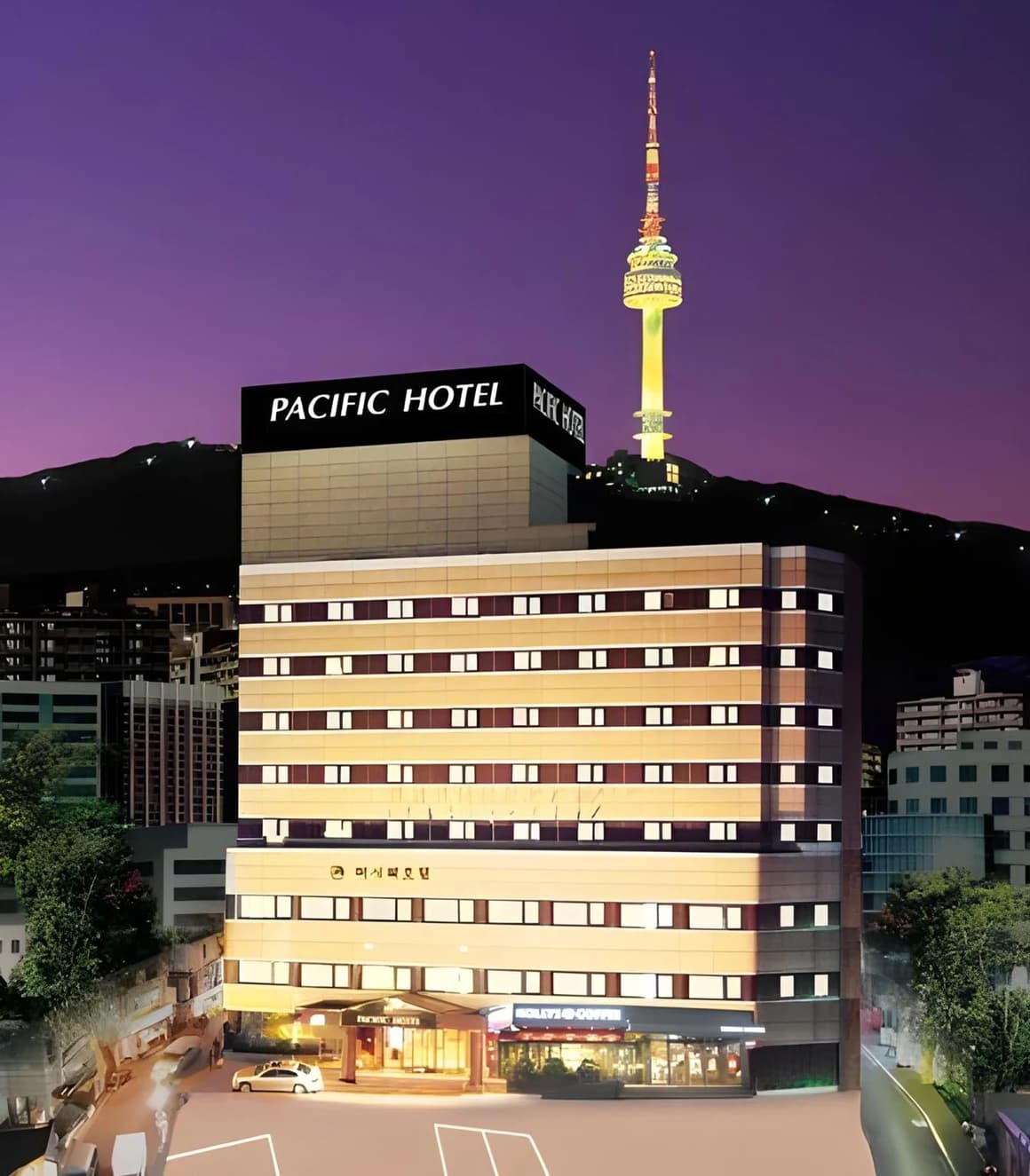
Pacific Hotel is an accommodation option in Myeongdong, Seoul. Korea Plus rewrites the Klook hotel information into a planning-friendly guide instead of leaving it as a short API-style summary. The source listing places the property at 2 Toegye-ro 20-gil, Jung-gu, with 181 and access notes around Myeong-dong Station 200m; Seoul Station 1.5km. This makes it useful when you want a real hotel page to compare by location, room scale, facilities, and nearby movement rather than only by price. ## Why Stay - Location fit: Myeongdong stay on a quieter street, near station exits, airport bus, shopping, dining, night market, and Namsan trail. - Facilities noted by Klook: Restaurant, free WiFi, 24-hour front desk, luggage storage, business center - Nearby reference points: Myeong-dong, Namsan Mountain Park, Namdaemun Market, Lotte Department Store - Traveler signal: Klook reviews note clean spacious rooms, views, multilingual staff, GS25, and Hollys Coffee convenience. ## Location Notes Myeong-dong Station 200m; Seoul Station 1.5km is the main movement reference from the Klook page. Use it as a starting point, then check your own route for airport arrival time, luggage, transfer count, and late-night return plans. In Korea, a hotel that is close to the right subway station or airport route can be more useful than a hotel that is only close to one attraction. ## Booking Notes After 15:00 / before 12:00. Klook policies can vary by room type, date, guest count, age rule, breakfast option, and payment method. Confirm the current cancellation rules, deposits, breakfast fees, parking, child policy, and check-in instructions before booking. ## Good to Know Save the hotel name, address, and booking page before you travel. If you arrive early or late, message or call the property through the booking channel. For a smoother trip, compare this stay with one backup in the same district and one backup near your arrival station or airport route.

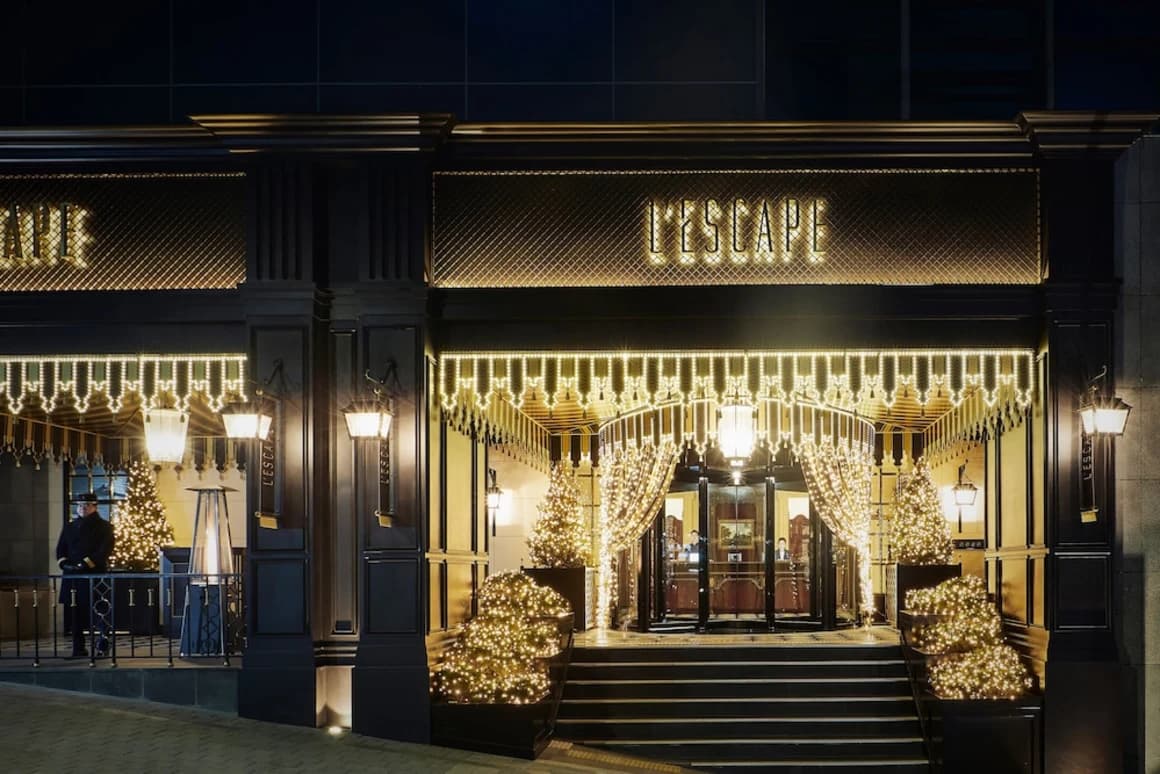
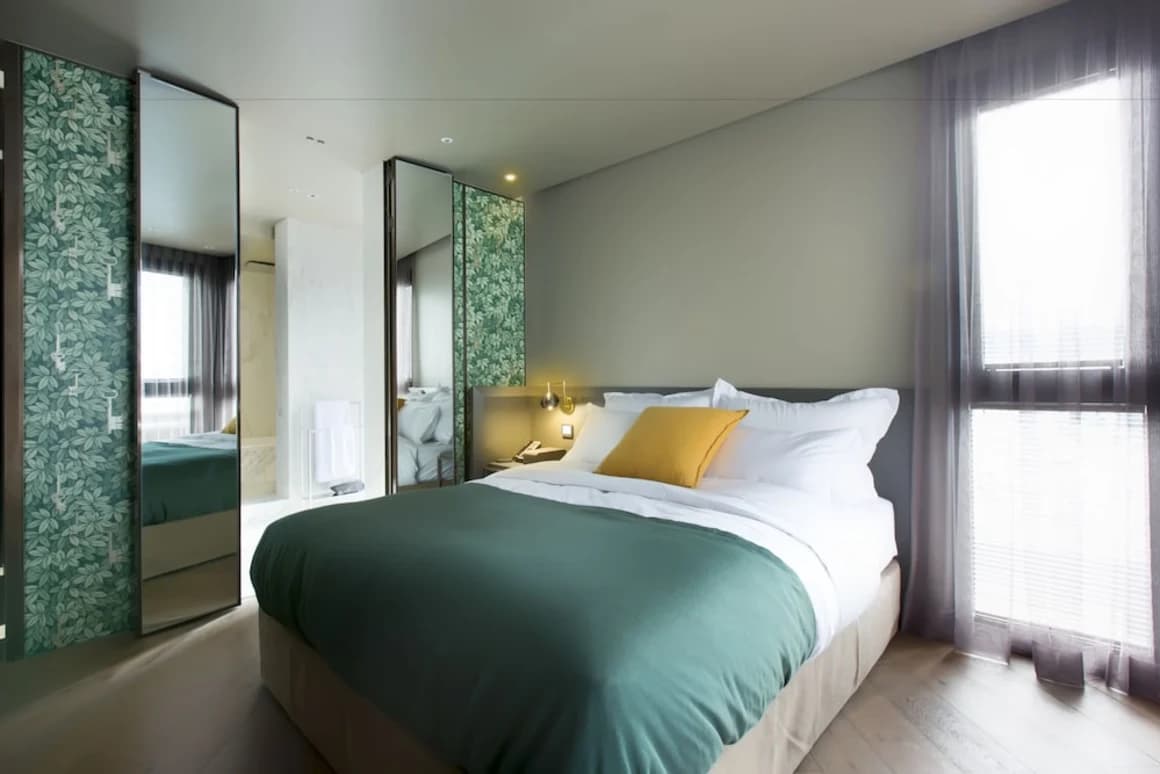
L'Escape, a Luxury Collection Hotel, Seoul Myeongdong image

L'Escape, a Luxury Collection Hotel, Seoul Myeongdong

L'Escape, a Luxury Collection Hotel, Seoul Myeongdong is an accommodation option in Myeongdong / Namdaemun, Seoul. Korea Plus rewrites the Klook hotel information into a planning-friendly guide instead of leaving it as a short API-style summary. The source listing places the property at 67 Toegye-ro, Jung-gu, with 204 and access notes around Hoehyeon Station 300m; Seoul Station 1.0km. This makes it useful when you want a real hotel page to compare by location, room scale, facilities, and nearby movement rather than only by price. ## Why Stay - Location fit: Luxury Myeongdong/Namdaemun stay near Hoehyeon Station, shopping, dining, markets, Namsan Mountain Park, and N Seoul Tower. - Facilities noted by Klook: Restaurant, free WiFi, fitness center, spa, 24-hour front desk, luggage storage - Nearby reference points: Namdaemun Market, Myeongdong Street, Namsan Mountain Park, N Seoul Tower - Traveler signal: Klook reviews mention spacious designed rooms, staff, breakfast, cleanliness, and location. ## Location Notes Hoehyeon Station 300m; Seoul Station 1.0km is the main movement reference from the Klook page. Use it as a starting point, then check your own route for airport arrival time, luggage, transfer count, and late-night return plans. In Korea, a hotel that is close to the right subway station or airport route can be more useful than a hotel that is only close to one attraction. ## Booking Notes Check Klook for current room and policy details. Klook policies can vary by room type, date, guest count, age rule, breakfast option, and payment method. Confirm the current cancellation rules, deposits, breakfast fees, parking, child policy, and check-in instructions before booking. ## Good to Know Save the hotel name, address, and booking page before you travel. If you arrive early or late, message or call the property through the booking channel. For a smoother trip, compare this stay with one backup in the same district and one backup near your arrival station or airport route.

Stay Hotel Gangnam image

Stay Hotel Gangnam

Stay Hotel Gangnam is an accommodation option in Gangnam / Yeoksam, Seoul. Korea Plus rewrites the Klook hotel information into a planning-friendly guide instead of leaving it as a short API-style summary. The source listing places the property at 15-4 Nonhyeon-ro 87-gil, Gangnam-gu, with 52 and access notes around Yeoksam Station 300m; Suseo Station 5.7km. This makes it useful when you want a real hotel page to compare by location, room scale, facilities, and nearby movement rather than only by price. ## Why Stay - Location fit: Gangnam/Yeoksam stay near subway, airport bus, restaurants, convenience stores, and a calm safer-feeling area. - Facilities noted by Klook: Free WiFi, 24-hour front desk, luggage storage, business center - Nearby reference points: Yeoksam Station, Gangnam Finance Center, Teheranno, COEX-area by car - Traveler signal: Klook reviews mention excellent location, clean comfortable rooms, helpful staff, and comfortable beds. ## Location Notes Yeoksam Station 300m; Suseo Station 5.7km is the main movement reference from the Klook page. Use it as a starting point, then check your own route for airport arrival time, luggage, transfer count, and late-night return plans. In Korea, a hotel that is close to the right subway station or airport route can be more useful than a hotel that is only close to one attraction. ## Booking Notes After 15:00 to before 05:00 / before 12:00. Klook policies can vary by room type, date, guest count, age rule, breakfast option, and payment method. Confirm the current cancellation rules, deposits, breakfast fees, parking, child policy, and check-in instructions before booking. ## Good to Know Save the hotel name, address, and booking page before you travel. If you arrive early or late, message or call the property through the booking channel. For a smoother trip, compare this stay with one backup in the same district and one backup near your arrival station or airport route.

Wumok image

Wumok

Wumok is a Korea Plus Eat & Shop guide for planning a useful stop in Seoul. The goal is not to repeat a short API summary, but to turn the listing into a readable visitor plan: what kind of stop it is, how it can fit into a day, and what you should confirm before going. Use this page when you need a realistic meal, cafe break, market browse, or shopping pause near your route. A good Eat & Shop plan should support the day rather than take over the whole itinerary, so this guide focuses on location, timing, expectations, backup planning, and simple decision points for international visitors. Before you go, save the name and address in a map app, check the most recent hours or last-order rules, and keep one nearby alternative ready. Menus, stock, reservations, prices, and temporary closures can change quickly, especially around weekends, holidays, weather shifts, and peak dining hours. ## Why Visit - It gives you a concrete restaurant idea in Seoul without starting from a blank map search. - It can work as a meal anchor, coffee break, dessert stop, market browse, or shopping errand between bigger sightseeing plans. - It helps you plan around real travel friction: walking distance, crowding, payment, language comfort, and whether the stop is worth the detour. - It is easier to enjoy when paired with one nearby attraction, one rest stop, and a flexible backup instead of a packed schedule. ## What To Expect Treat this as a meal or snack anchor. Check whether it is better for lunch, dinner, solo dining, groups, quick ordering, or a slower sit-down meal before building the rest of the route around it. If you are traveling with other people, agree on the purpose of the stop first. Some visitors want a photo-friendly place, some want a specific dish, some want efficient shopping, and some simply need a comfortable break. Clear expectations make the route smoother. ## Planning Notes - Save the Korean and English place name if available, plus the address. - Check current hours, last order, reservation rules, break time, and holiday closures. - Card payment is common in Korea, but small markets, pop-ups, and older vendors can vary. - Keep a translation app ready for menu questions, allergies, tax refund requests, or directions. - If the stop is crowded or closed, switch to your saved backup and keep the route simple. ## Suggested Pairing Pair Wumok with a nearby neighborhood walk instead of crossing the city for only one stop. In Seoul, Eat & Shop plans usually work best when a cafe, restaurant, market, or shop is close to another attraction, transit hub, park, museum, or shopping street. For cafes and restaurants, leave enough time for queues, ordering, and a relaxed break. For markets and shops, allow time to browse without making the day feel rushed. Weather also matters: rainy days favor indoor cafes and malls, while clear days make markets, streets, and coastal routes easier to enjoy. ## Final Tips Keep this as a flexible stop, not a rigid appointment. Confirm the latest information, save the address, prepare a short translated request if needed, and choose one nearby backup before leaving. That small bit of planning makes Eat & Shop stops feel like a useful part of the trip rather than a stressful detour.
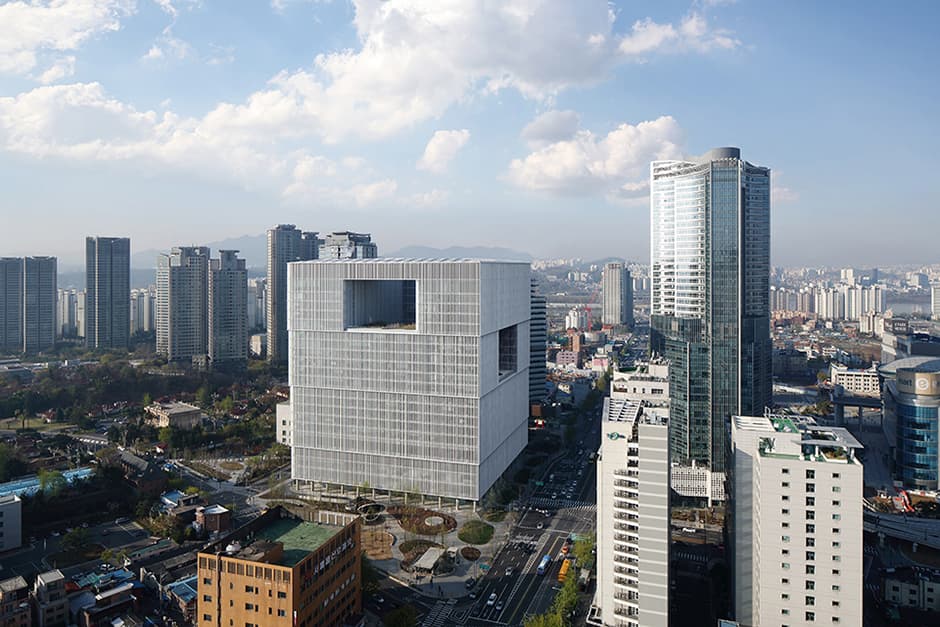
Amorepacific Museum of Art image

Amorepacific Museum of Art

Amorepacific Museum of Art, located in Yongsan-gu, Seoul, was originally a museum exhibiting artworks collected by the late Seo Seong-hwan, the founder of Amorepacific, but later changed its name to Amorepacific Museum of Art, or APMA, in 2009 and has since been operating as an art exhibition hall. The mission upon its foundation was seeking to be "a space where beauty in the midst of daily lives is discovered" and communicating with the public. In accordance with this objective, the museum collects, researches, and exhibits Korean ancient art and both Korean and international contemporary art while, also, aiding researchers, scholars, and young artists. The underground exhibition hall hosts diverse exhibits encompassing ancient art, contemporary art, and Korean art. The 1st floor of the "Atrium," an enormous space that continues from the 1st to 3rd floors, features the museum lobby, a museum shop, an exhibition space called "APMA Cabinet" and apLAP, which is a library of art exhibition brochures from around the world. The art museum is located on the 1st floor of the new Amorepacific headquarters building, a famous work of architectural beauty of Yongsan designed after white porcelain.

Bongwonsa Temple image

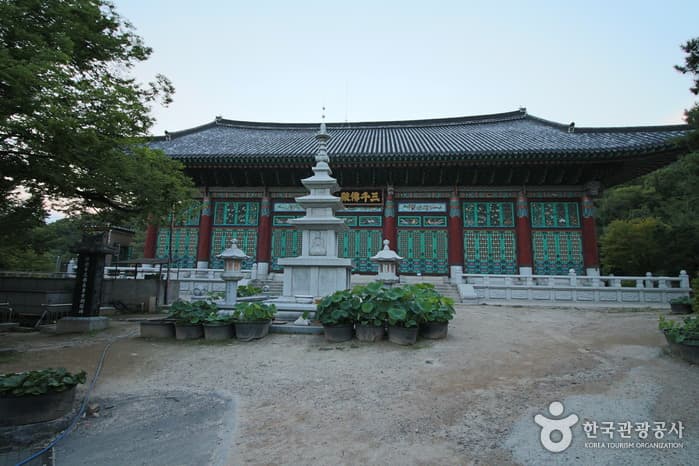
Bongwonsa Temple

Located on the outskirts of Ansan Mountain in Bongwon-dong, Seodaemun-gu, Seoul, Bongwonsa Temple, as the center of Korean Buddhism Taego, is a thousand-year-old temple with a long history and tradition. In 889 (3rd year of Shilla Queen Jinseong’s reign), Monk Doseon founded it at the ground of Yeonhui Palace (now Yonsei Univ.) and named it Banyasa temple. It was destroyed during the Imjin War in 1592, and later in 1748 (the 24th year of Joseon King Yeongjo’s reign), it was rebuilt and renamed “Bongwonsa” by two Buddhist monks, Chanjeup and Jeungam. “Yeongsanjae,” one of the Buddhist rituals and also a National Intangible Cultural Property, takes place at Bongwonsa on June 6 every year wishing for world peace and the reunification of North and South Korea. It was designated as one of the Intangible Cultural Heritage of Humanity by UNESCO in 2009. During Yeongsanjae, visitors can enjoy the Buddhist arts such as Beompae (Buddhist temple music for rituals) and dancing. Also, during summertime, Seoul Lotus Flower Culture Festival takes place, where visitors can enjoy the beautiful lotus flowers which are a symbol of Buddhism.

Apgujeong Rodeo Street image

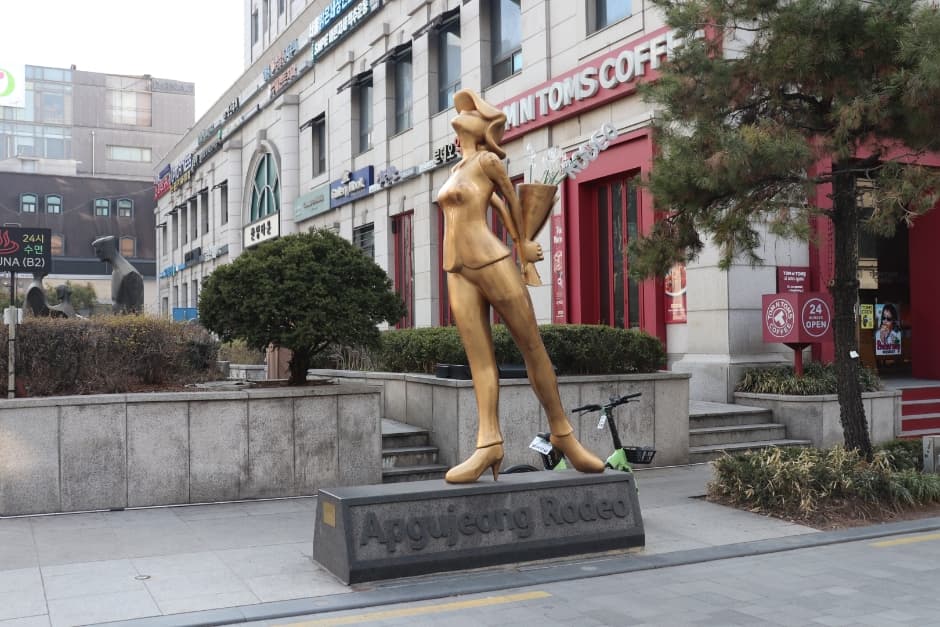
Apgujeong Rodeo Street

Apgujeong Rodeo Street is a cultural street in Apgujeong full of luxury brands and multi-shops. It is a popular destination with significant foot traffic thanks to its convenient shopping opportunities, famous cafés and restaurants, and shops with unique interior design. This street is the place to experience Korean fashion and cultural trends. Nearby tourist sites include Cheongdam Fashion Street and Garosu Street of Sinsa-dong.

ARKO Art Center image

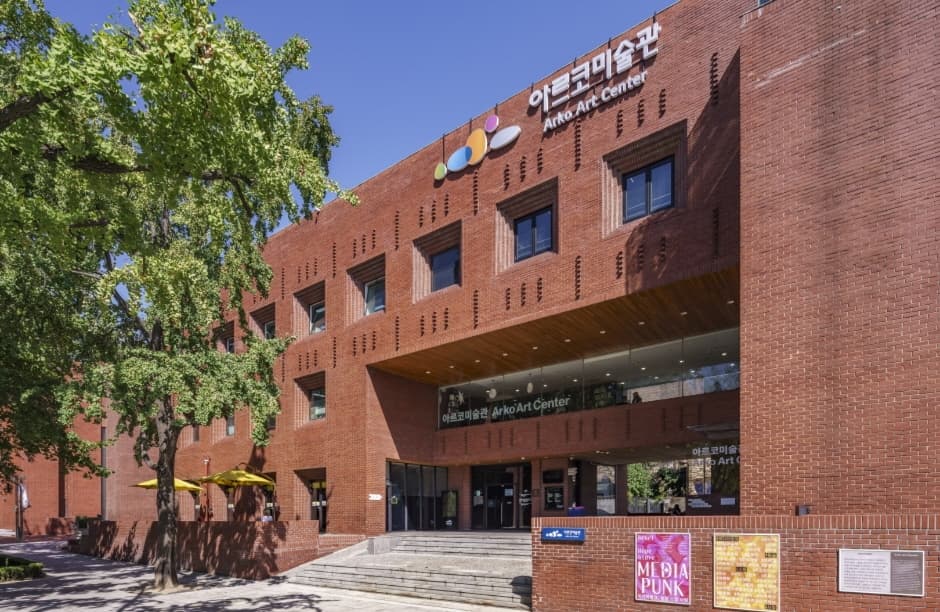
ARKO Art Center

ARKO Art Center was founded in 1974 as Misulhoegwan in a building of former Deoksu Hospital in Gwanhun-dong, Jongno-gu to offer much-needed exhibition space for artists and arts groups. In 1979, Misulhoegwan moved to its present building, designed by preeminent Korean architect Kim Swoo-geun (1931-1986) and located in Marronnier Park, the former site of Seoul National University. The two neighboring brick buildings accommodating ARKO Art Center and ARKO Arts Theater are the major landmarks of the district of Daehakro. As more public and private museums and commercial galleries came into the art scene in the 1990s, Misulhoegwan shifted to curating and presenting its own exhibitions. Renamed as Marronnier Art Center in 2002, ARKO Art Center assumed a full-fledged art museum system and played an increasingly prominent role as a public arts organization leading the contemporary art paradigm. When The Korea Culture and Arts Foundation was reborn as Arts Council Korea, Marronnier Art Center became ARKO Art Center named after the abbreviation for Arts Council Korea in 2005. ARKO Art Center is committed to working as a platform where research, production, exhibitions and the exchange of creative activities grow and develop in connection with one another in addition to having a diversity of programs including thematic exhibitions addressing social agenda and public programs widely promoting various discourses in art.

Bukchon Hanok Village image

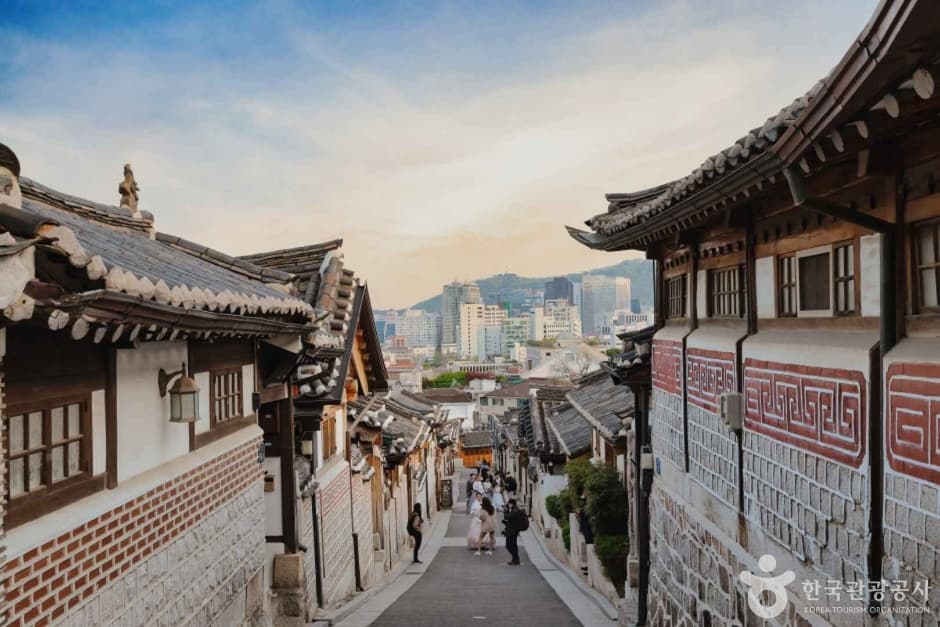
Bukchon Hanok Village

Surrounded by Gyeongbokgung Palace, Changdeokgung Palace and Jongmyo Shrine, Bukchon Hanok Village is home to hundreds of traditional houses, called hanok , that date back to the Joseon dynasty. The name Bukchon, which literally translates to "northern village," came about as the neighborhood lies north of two significant Seoul landmarks, Cheonggyecheon Stream and Jongno. Today, many of these hanoks operate as cultural centers, guesthouses, restaurants and tea houses, providing visitors with an opportunity to experience, learn and immerse themselves in traditional Korean culture. As Bukchon Hanok Village is an actual neighborhood with people's homes, visitors are advised to be respectful at all times while looking around.

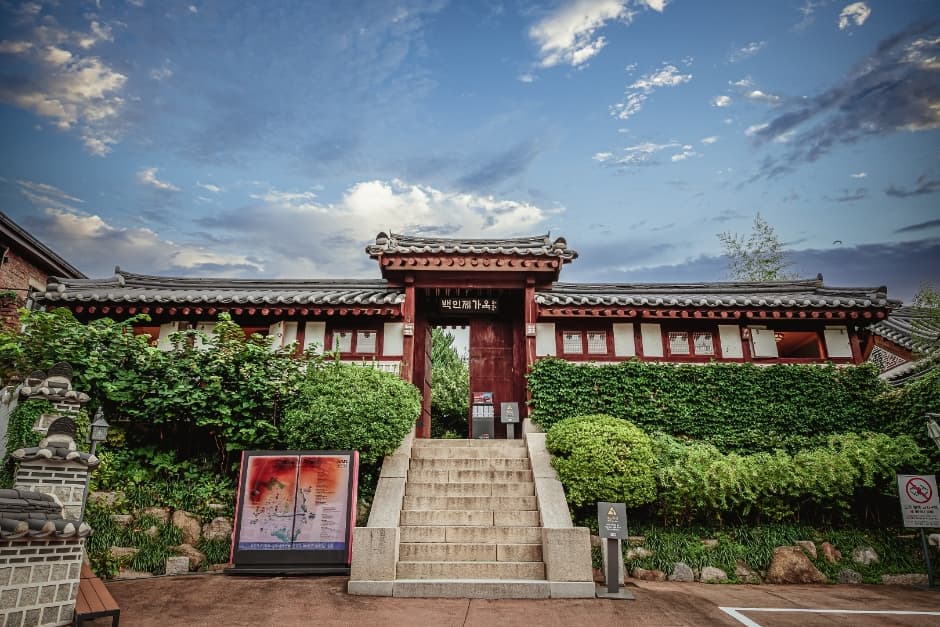
Baek In-je House image

Baek In-je House

Baek In-je House, located in Bukchon Hanok Village, is a hanok built during the Japanese administration period that portrays modern hanok features. The structure consists of a main room offering a good view of the whole village, spacious bedrooms, a large garden, and annex buildings. As it maintains the beauty of a traditional hanok while incorporating the modern trend of its time, Baek In-je House is considered to be highly valuable in means of both architecture and history, representing the Bukchon Hanok Village together with Yun Bo-seon House. Baek In-je House was built from black pine, which was first introduced in Seoul during the Gyeongseong Expo in 1907, distinguishing itself from other upper-class houses of its time. Unlike other traditional hanok designs that separate the main building from the other rooms, Baek In-je House connects the two with a hallway, allowing convenient access between the two structures. The house also consists of a Japanese-style hallway and floor mat rooms, reflecting the interior trends of that period. Baek In-je House is also unique in that the main room is partially built as a two-story structure, a style that was never seen in any traditional hanok built during the Joseon period.

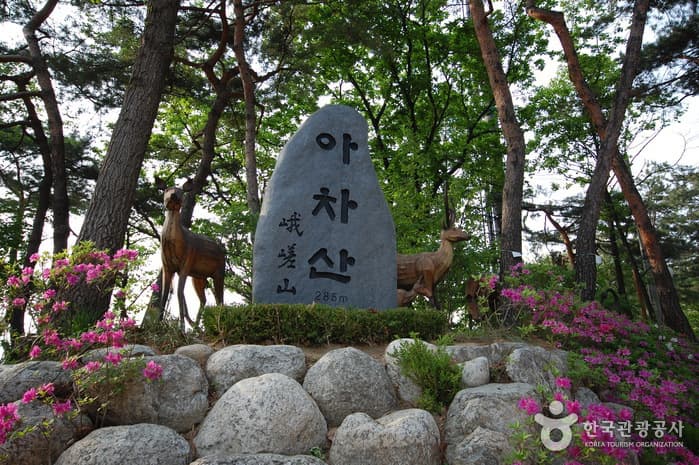
Achasanseong Fortress image

Achasanseong Fortress

Achasanseongseong Fortress boasts magnificent views of the Hangang River and skyline. The 200m-high mountain fortress wall was built to face southeast, towards the Hangang River. It is also called Janghan-seong or Gwangjang-seong. A fierce battle was once fought here among Gogury, Baekje and Silla because of its strategic location during the period of the Three Kingdoms. King Gae-Ro of Baekje (r. 455-475) died in the war by the Goguryeo forces sent by King Jang-Su (r. 413-491) and General Ondal of Goguryeo was also killed in a battle with the Silla army in 590. Achasan Mountain is popular as a citizens’ resting place with a historical trail and a natural park including various facilities such as walkway, mountain walkway, a badminton court, a wrestling range, an archery range, various amusement facilities for children, benches, and pavilion.

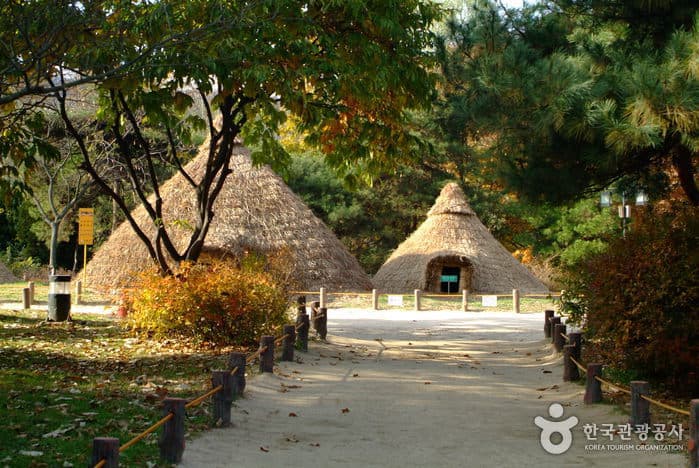
Archaeological Site in Amsa-dong, Seoul image

Archaeological Site in Amsa-dong, Seoul

The Archaeological Site in Amsa-dong reproduces the lifestyle of the Neolithic Era. Even the entrance gate is shaped like a huge dolmen and the trash cans are ancient diagonal-line patterned earthenware. Archaeological Site in Amsa-dong was excavated in 1925 when a flood washed away the soil on the banks of the Hangang River and exposed a large number of diagonal-line patterned earthenware. After several excavations, the Archaeological Site in Amsa-dong was established. The site was a location for a massive colony, thus many ancient buildings, stone axes and stone arrows have been uncovered as well as countless diagonal-line patterned earthenware. The housing site is round with a spot in the center for fire. The site is colossal and possesses nine mud huts, two exhibition halls displaying ancient artifacts and an open mud hut where visitors can experience life in the Neolithic Era. The site offers many attractions such as mud huts and promenades. Archaeological Site in Amsa-dong is also very educational for children and families who want to learn and experience the Neolithic Age.

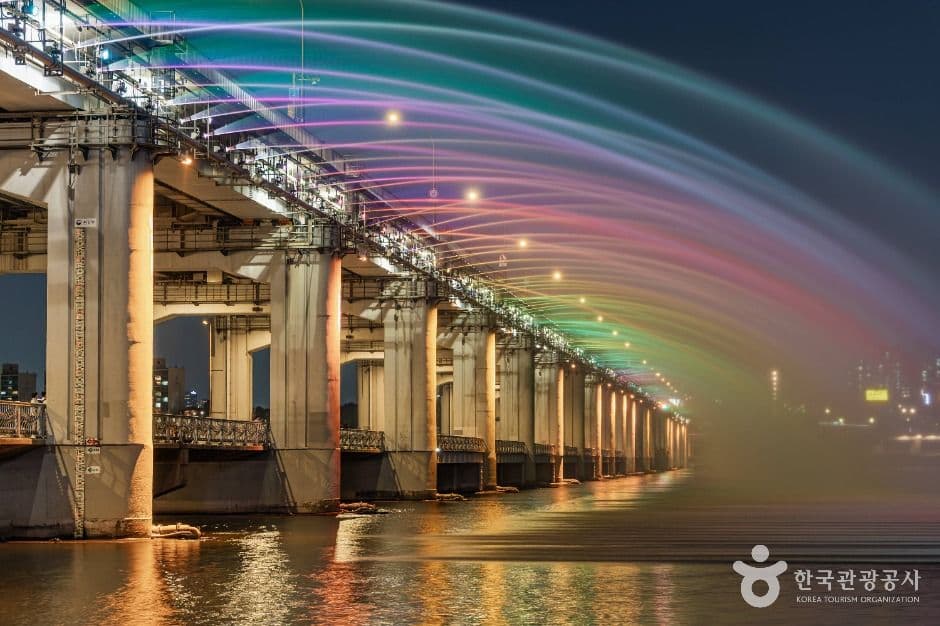
Banpo Bridge Rainbow Fountain image

Banpo Bridge Rainbow Fountain

The Rainbow Fountain plunges 20 meters into the water on both side of Banpo Bridge over the Hangang River. When the sun goes down, 200 lights illuminate the fountain as it sends out dancing, rainbow-colored jets of water in the air in synchronization with music. The fountain boasts spectacular views from the hills, the Hangang River observation deck, and the moon-shaped Moonlight Square. Banpo Bridge Rainbow Fountain operates every day from April to October, four to six times a day for 20 minutes.

Ahn Junggeun Memorial Museum image

Ahn Junggeun Memorial Museum

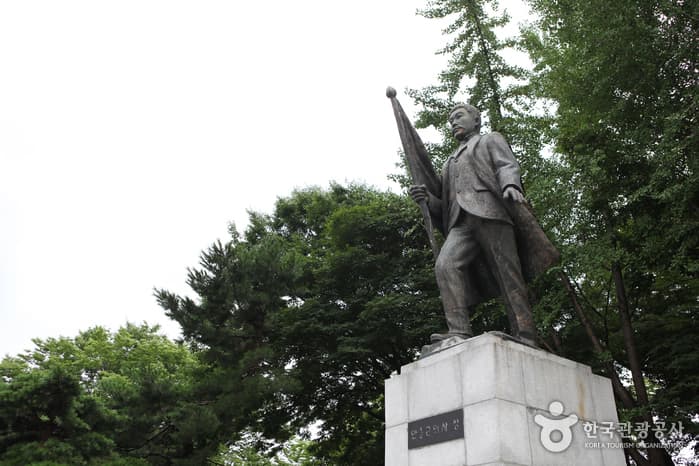
The Ahn Junggeun Memorial Museum honors the memory of Ahn Junggeun (1879-1910), an independence activist and soldier who advocated for Korean independence and peace in Asia. He fought against the Japanese to defend the Korean Empire (1897-1910). He was executed in 1910 for assassinating Hirobumi Ito, the Japanese who led the invasion of Korea in 1909, in Harbin, China.

Appenzeller Noble Memorial Museum image

Appenzeller Noble Memorial Museum

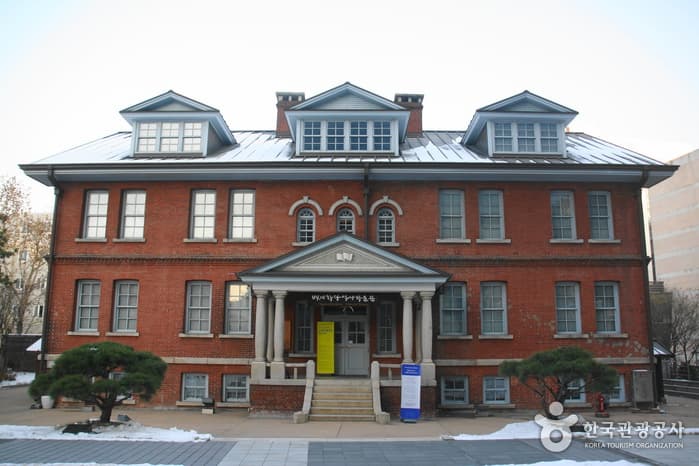
The Appenzeller Noble Memorial Museum is dedicated to Henry Gerhart Appenzeller, the missionary who opened the first Western-style educational institution in Korea in 1885. The school started with English and core subjects, but expanded into the Pai Chai University, Pai Chai High School, and Pai Chai Middle School and has many famous alumni, including Rhee Syng-man. The memorial hall opened in 2008 in the east wing of the original school building, which was built in 1916 and designated as a Seoul Monument. With dynamically arranged permanent exhibitions, annual special exhibitions and special lectures, the museum offers a unique learning experience to visitors and people with an interest in the history of education in Korea.

Blue Square image

Blue Square

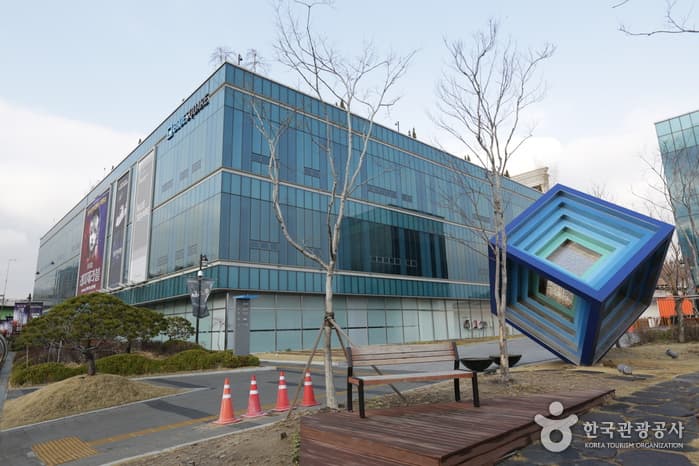
Blue Square is a multipurpose performance venue located in Hannam-dong. It includes Shinhan Card Hall, a performance hall dedicated to musicals with 1,776 seats, and Mastercard Hall, a multipurpose performance hall with 1,400 seats. Blue Square also includes the Book Park, which has a collection of nearly 75,000 books, and a café with a terrace that looks toward the Namsan Mountain. Many visitors come to the Blue Square to see its collection of popular musicals and other performances.

Alleys of Changsin-dong image

Alleys of Changsin-dong

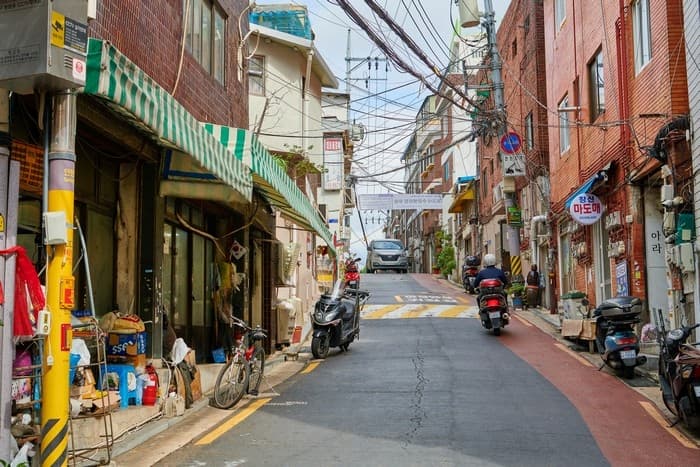
K-movie <PARASITE> - A town full of nostalgia On the day Kitaek's family returned home, the torrential rain flowed ferociously in streams. The alleys of Changsin-dong, with its narrow and steep stairs, were a good backdrop for visually representing the condition of the Kitaek&rsquo;s family, who were about to fall. Changsin-dong is a warm and charming neighborhood where traces of the 70s and 80s can be felt.

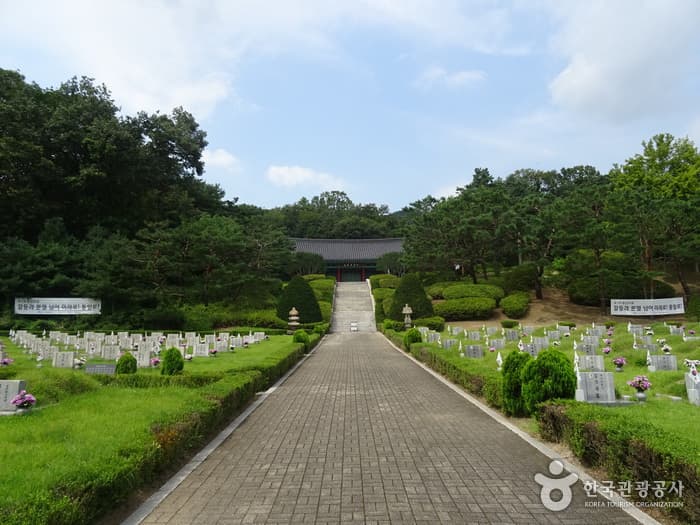
April 19th National Cemetery image

April 19th National Cemetery

Located at the foot of Bukhansan Mountain, the April 19th National Cemetery was established in memory of the 224 people who lost their lives during the 4.19 Revolution in 1960. The cemetery features a memorial hall and a traditional wooden structure that houses the grave of the historic figure Yu Yeongbong. At the cemetery is a pond surrounded by sculptures such as "Symbolic Door," "Roots of Democracy," and "Sparks of Justice" and a memorial tower bearing an inscription for the brave patriots who lost their lives during the revolution. Groves of pine, juniper, yew, and maple trees and the well-kept hiking path add a natural charm to the overwhelming ambiance of peace and serenity. Many people visit to see the spring blossoms in May, and throughout the year to take in the glorious scene of the sunset over Bukhansan Mountain.

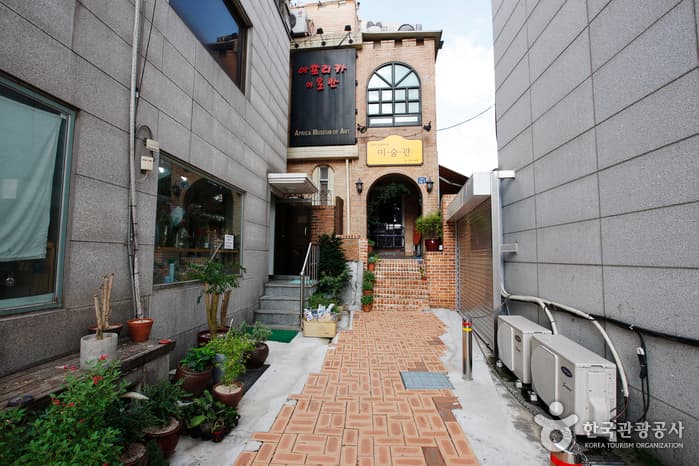
Africa Museum of Art image

Africa Museum of Art

The Africa Museum of Art was established with the purpose of hosting various art festivals and providing the grounds for researching various art themes. A major principle of the gallery is to promote works of art that actively attempt to explore the human mind.

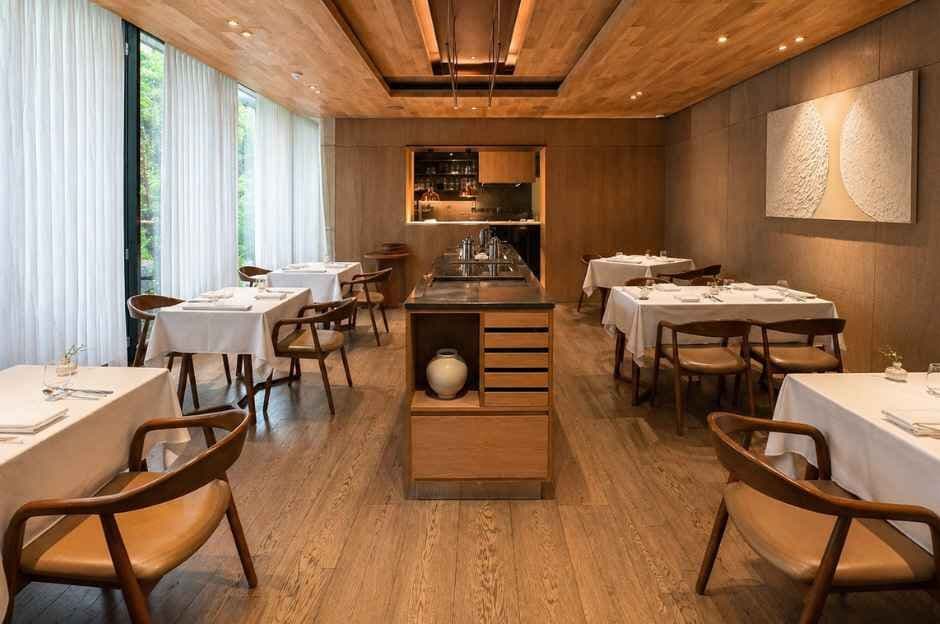
Goum image

Goum

Goum is a Korea Plus Eat & Shop guide for planning a useful stop in Seoul. The goal is not to repeat a short API summary, but to turn the listing into a readable visitor plan: what kind of stop it is, how it can fit into a day, and what you should confirm before going. Use this page when you need a realistic meal, cafe break, market browse, or shopping pause near your route. A good Eat & Shop plan should support the day rather than take over the whole itinerary, so this guide focuses on location, timing, expectations, backup planning, and simple decision points for international visitors. Before you go, save the name and address in a map app, check the most recent hours or last-order rules, and keep one nearby alternative ready. Menus, stock, reservations, prices, and temporary closures can change quickly, especially around weekends, holidays, weather shifts, and peak dining hours. ## Why Visit - It gives you a concrete restaurant idea in Seoul without starting from a blank map search. - It can work as a meal anchor, coffee break, dessert stop, market browse, or shopping errand between bigger sightseeing plans. - It helps you plan around real travel friction: walking distance, crowding, payment, language comfort, and whether the stop is worth the detour. - It is easier to enjoy when paired with one nearby attraction, one rest stop, and a flexible backup instead of a packed schedule. ## What To Expect Treat this as a meal or snack anchor. Check whether it is better for lunch, dinner, solo dining, groups, quick ordering, or a slower sit-down meal before building the rest of the route around it. If you are traveling with other people, agree on the purpose of the stop first. Some visitors want a photo-friendly place, some want a specific dish, some want efficient shopping, and some simply need a comfortable break. Clear expectations make the route smoother. ## Planning Notes - Save the Korean and English place name if available, plus the address. - Check current hours, last order, reservation rules, break time, and holiday closures. - Card payment is common in Korea, but small markets, pop-ups, and older vendors can vary. - Keep a translation app ready for menu questions, allergies, tax refund requests, or directions. - If the stop is crowded or closed, switch to your saved backup and keep the route simple. ## Suggested Pairing Pair Goum with a nearby neighborhood walk instead of crossing the city for only one stop. In Seoul, Eat & Shop plans usually work best when a cafe, restaurant, market, or shop is close to another attraction, transit hub, park, museum, or shopping street. For cafes and restaurants, leave enough time for queues, ordering, and a relaxed break. For markets and shops, allow time to browse without making the day feel rushed. Weather also matters: rainy days favor indoor cafes and malls, while clear days make markets, streets, and coastal routes easier to enjoy. ## Final Tips Keep this as a flexible stop, not a rigid appointment. Confirm the latest information, save the address, prepare a short translated request if needed, and choose one nearby backup before leaving. That small bit of planning makes Eat & Shop stops feel like a useful part of the trip rather than a stressful detour.

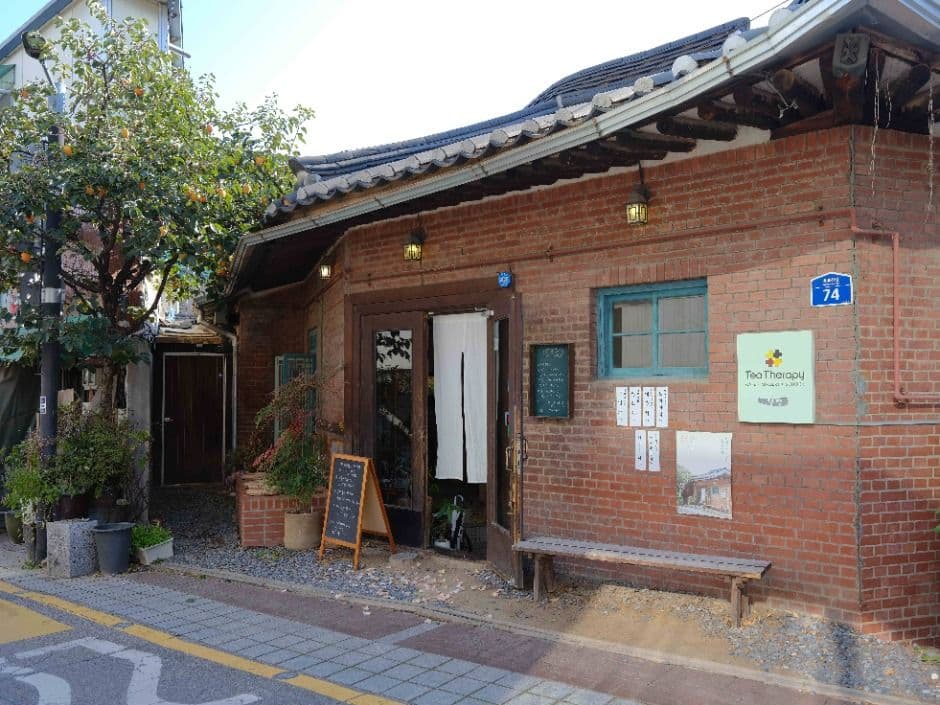
Tea Therapy image

Tea Therapy

Tea Therapy is a Korea Plus Eat & Shop guide for planning a useful stop in Seoul. The goal is not to repeat a short API summary, but to turn the listing into a readable visitor plan: what kind of stop it is, how it can fit into a day, and what you should confirm before going. Use this page when you need a realistic meal, cafe break, market browse, or shopping pause near your route. A good Eat & Shop plan should support the day rather than take over the whole itinerary, so this guide focuses on location, timing, expectations, backup planning, and simple decision points for international visitors. Before you go, save the name and address in a map app, check the most recent hours or last-order rules, and keep one nearby alternative ready. Menus, stock, reservations, prices, and temporary closures can change quickly, especially around weekends, holidays, weather shifts, and peak dining hours. ## Why Visit - It gives you a concrete cafe idea in Seoul without starting from a blank map search. - It can work as a meal anchor, coffee break, dessert stop, market browse, or shopping errand between bigger sightseeing plans. - It helps you plan around real travel friction: walking distance, crowding, payment, language comfort, and whether the stop is worth the detour. - It is easier to enjoy when paired with one nearby attraction, one rest stop, and a flexible backup instead of a packed schedule. ## What To Expect Treat this as a coffee, dessert, bakery, brunch, or quiet reset stop. Cafes are useful for slowing down the day, checking maps, organizing photos, and deciding whether to keep exploring the same district. If you are traveling with other people, agree on the purpose of the stop first. Some visitors want a photo-friendly place, some want a specific dish, some want efficient shopping, and some simply need a comfortable break. Clear expectations make the route smoother. ## Planning Notes - Save the Korean and English place name if available, plus the address. - Check current hours, last order, reservation rules, break time, and holiday closures. - Card payment is common in Korea, but small markets, pop-ups, and older vendors can vary. - Keep a translation app ready for menu questions, allergies, tax refund requests, or directions. - If the stop is crowded or closed, switch to your saved backup and keep the route simple. ## Suggested Pairing Pair Tea Therapy with a nearby neighborhood walk instead of crossing the city for only one stop. In Seoul, Eat & Shop plans usually work best when a cafe, restaurant, market, or shop is close to another attraction, transit hub, park, museum, or shopping street. For cafes and restaurants, leave enough time for queues, ordering, and a relaxed break. For markets and shops, allow time to browse without making the day feel rushed. Weather also matters: rainy days favor indoor cafes and malls, while clear days make markets, streets, and coastal routes easier to enjoy. ## Final Tips Keep this as a flexible stop, not a rigid appointment. Confirm the latest information, save the address, prepare a short translated request if needed, and choose one nearby backup before leaving. That small bit of planning makes Eat & Shop stops feel like a useful part of the trip rather than a stressful detour.
Sooyeon Sanbang image

Sooyeon Sanbang

Sooyeon Sanbang is a Korea Plus Eat & Shop guide for planning a useful stop in Seoul. The goal is not to repeat a short API summary, but to turn the listing into a readable visitor plan: what kind of stop it is, how it can fit into a day, and what you should confirm before going. Use this page when you need a realistic meal, cafe break, market browse, or shopping pause near your route. A good Eat & Shop plan should support the day rather than take over the whole itinerary, so this guide focuses on location, timing, expectations, backup planning, and simple decision points for international visitors. Before you go, save the name and address in a map app, check the most recent hours or last-order rules, and keep one nearby alternative ready. Menus, stock, reservations, prices, and temporary closures can change quickly, especially around weekends, holidays, weather shifts, and peak dining hours. ## Why Visit - It gives you a concrete cafe idea in Seoul without starting from a blank map search. - It can work as a meal anchor, coffee break, dessert stop, market browse, or shopping errand between bigger sightseeing plans. - It helps you plan around real travel friction: walking distance, crowding, payment, language comfort, and whether the stop is worth the detour. - It is easier to enjoy when paired with one nearby attraction, one rest stop, and a flexible backup instead of a packed schedule. ## What To Expect Treat this as a coffee, dessert, bakery, brunch, or quiet reset stop. Cafes are useful for slowing down the day, checking maps, organizing photos, and deciding whether to keep exploring the same district. If you are traveling with other people, agree on the purpose of the stop first. Some visitors want a photo-friendly place, some want a specific dish, some want efficient shopping, and some simply need a comfortable break. Clear expectations make the route smoother. ## Planning Notes - Save the Korean and English place name if available, plus the address. - Check current hours, last order, reservation rules, break time, and holiday closures. - Card payment is common in Korea, but small markets, pop-ups, and older vendors can vary. - Keep a translation app ready for menu questions, allergies, tax refund requests, or directions. - If the stop is crowded or closed, switch to your saved backup and keep the route simple. ## Suggested Pairing Pair Sooyeon Sanbang with a nearby neighborhood walk instead of crossing the city for only one stop. In Seoul, Eat & Shop plans usually work best when a cafe, restaurant, market, or shop is close to another attraction, transit hub, park, museum, or shopping street. For cafes and restaurants, leave enough time for queues, ordering, and a relaxed break. For markets and shops, allow time to browse without making the day feel rushed. Weather also matters: rainy days favor indoor cafes and malls, while clear days make markets, streets, and coastal routes easier to enjoy. ## Final Tips Keep this as a flexible stop, not a rigid appointment. Confirm the latest information, save the address, prepare a short translated request if needed, and choose one nearby backup before leaving. That small bit of planning makes Eat & Shop stops feel like a useful part of the trip rather than a stressful detour.