Korea Plus +
Home
Community
Spotlight
Events
Guides
ActivityEat & ShopRegional GuidesAccommodationLiving guide
Korea Now
Korea Picks
Korea Plus +
HomeCommunitySpotlightEvents
Guides
ActivityEat & ShopRegional GuidesAccommodationLiving guide
Korea NowKorea Picks
Korea Plus +

Korea Plus + helps international visitors and residents find Korea news, events, travel information, history context, and community discussions in English.

Information may change, so always check official sources before booking or visiting.

Support

koreaplus.support@gmail.comTerms of ServicePrivacy PolicyAbout Us@korea.plus_official

Made by

DNA Studio

Insights by

Plugspace
PayPal QR code for supporting Korea Plus +Support Korea Plus +

© 2026 Korea Plus +. All rights reserved.

Guides

Guides

Helpful travel and culture guides for Korea.

Region

All regionsSeoulJejuBusanIncheonJeonnam-GwangjuJeollanam-doGwangjuGyeonggi-doGyeongsangbuk-doGangwon-doGyeongsangnam-doJeollabuk-doKorea
Show fewer regions

Category

All categoriesAccommodationCulture & MuseumsRestaurantNature & ParksCafeAttractionsNeighborhoods & StreetsHeritage & History
Show all categories (12)

Showing 7 of 114 guides

Clear filters
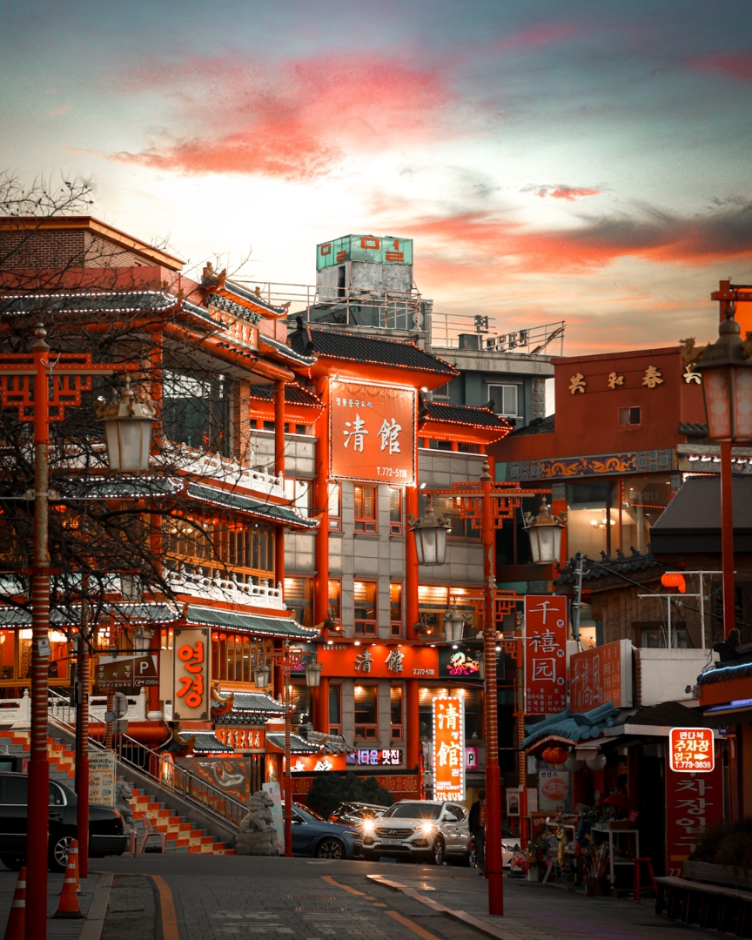
Incheon Chinatown image

Incheon Chinatown

Incheon's Chinatown came into being with the opening of Incheon Port in 1883 and Incheon's designation as an extraterritoriality of the Ching dynasty in the following year. In the past, the area held many stores trading goods imported from China, but currently most Chinese businesses in the area are restaurants. Today, the residents of Chinatown are mostly 2nd or 3rd generation Chinese, descendents of the early Chinese settlers. The area harbors many of the flavors of China, while the traditional culture of the first generation is preserved.
Chungjang-ro Street image

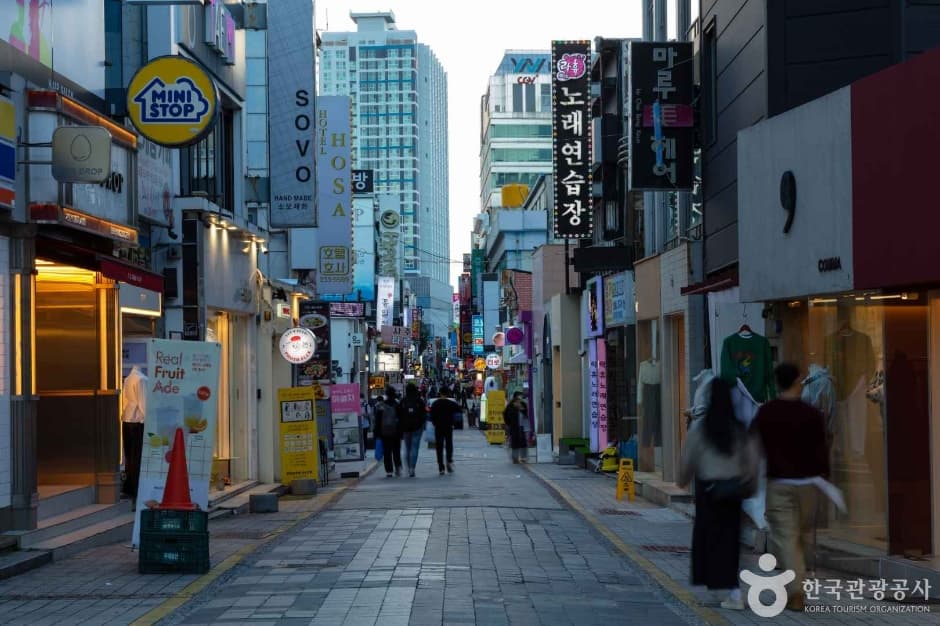
Chungjang-ro Street

Chungjang-ro Street is Gwangju’s major fashion district, comparable with Myeongdong Street of Seoul. The streets of Chungjang-ro are lined with shopping malls, clothing stores, restaurants, cafes, movie theaters and various other attractions, providing the ultimate experience of modern culture in Gwangju. It is the city's hub of fashion, both trendy and traditional, as well as venue for diverse performances.

Seomjingang Train Village image

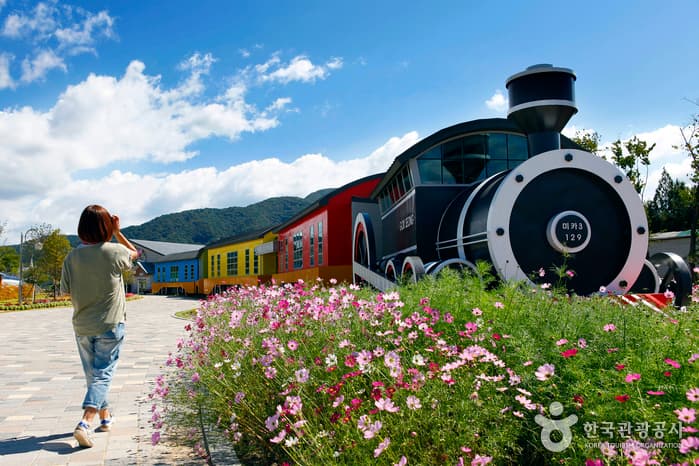
Seomjingang Train Village

Since its development in April 1999 as a part of government efforts to boost regional tourism, Seomjingang Train Village has established itself as a popular attraction in Gokseong. A replica of the region's old steam engine train runs 10 kilometers between the old Gokseong Station in Seomjingang Train Village and Gajeong Station. The train runs along the old tracks at a moderate speed, allowing passengers to enjoy the scenic view along the tracks.

B-Con Ground image

B-Con Ground

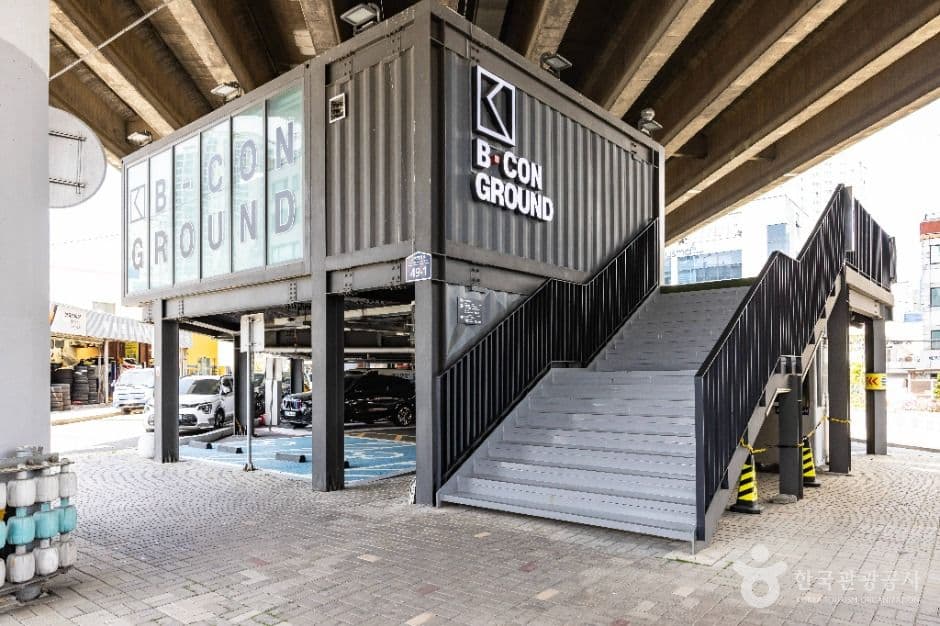
B-Con Ground is a cultural complex in Busan, built by utilizing the empty space under an overpass. The complex is a cultural hub offering various exhibitions, cultural events, activities, and creative spaces for visitors. From playground and shopping ground to cafes, restaurants, art galleries, and a family deck, it truly offers all under one roof. Moreover, it provides a space for exhibition for disabled artists, as well as a venue for social entrepreneurs to hold exhibitions, cultural events, and sell artwork.

Apgujeong Rodeo Street image

Apgujeong Rodeo Street

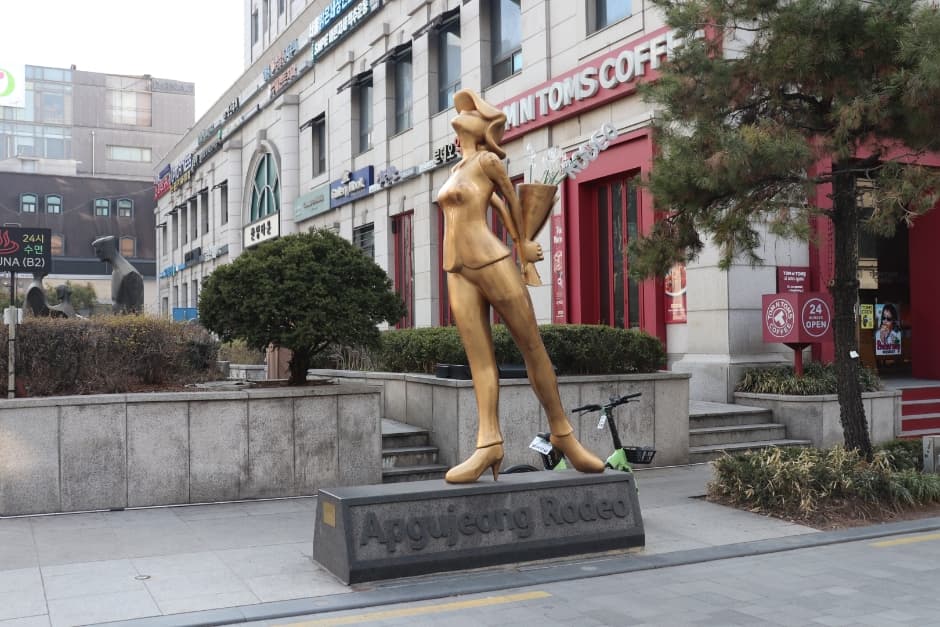
Apgujeong Rodeo Street is a cultural street in Apgujeong full of luxury brands and multi-shops. It is a popular destination with significant foot traffic thanks to its convenient shopping opportunities, famous cafés and restaurants, and shops with unique interior design. This street is the place to experience Korean fashion and cultural trends. Nearby tourist sites include Cheongdam Fashion Street and Garosu Street of Sinsa-dong.

Bukchon Hanok Village image

Bukchon Hanok Village

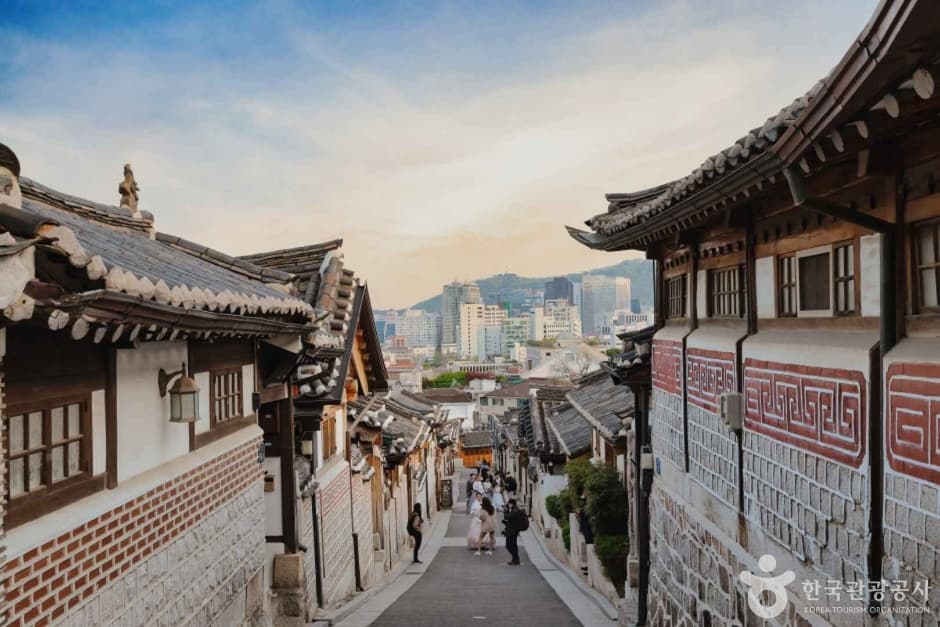
Surrounded by Gyeongbokgung Palace, Changdeokgung Palace and Jongmyo Shrine, Bukchon Hanok Village is home to hundreds of traditional houses, called hanok , that date back to the Joseon dynasty. The name Bukchon, which literally translates to "northern village," came about as the neighborhood lies north of two significant Seoul landmarks, Cheonggyecheon Stream and Jongno. Today, many of these hanoks operate as cultural centers, guesthouses, restaurants and tea houses, providing visitors with an opportunity to experience, learn and immerse themselves in traditional Korean culture. As Bukchon Hanok Village is an actual neighborhood with people's homes, visitors are advised to be respectful at all times while looking around.

168 Stairs image

168 Stairs

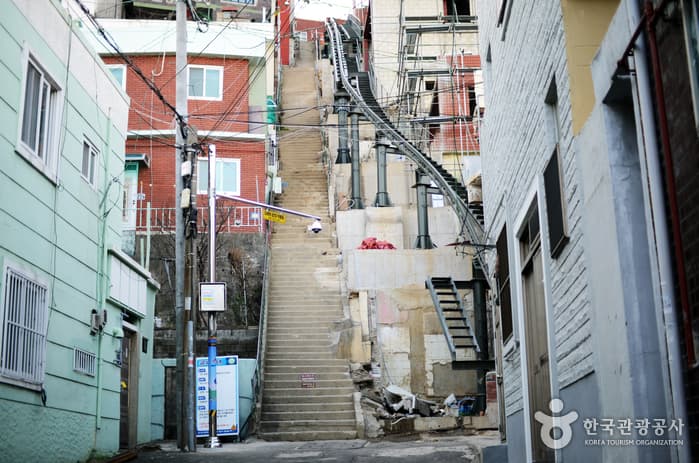
This is the fastest way to go downhill from Sanbok road to Busan port. The stairs are known to be as tall as a 6-story building and have exactly 168 steps. In the past, there used to be 3 wells located at the bottom of the stairs, which locals would wait in line to draw water when there was insufficient water, but now, there is only one well with drinking water.