Korea Plus +
Home
Community
Spotlight
Events
Guides
ActivityEat & ShopRegional GuidesAccommodationLiving guide
Korea Now
Korea Picks
Korea Plus +
HomeCommunitySpotlightEvents
Guides
ActivityEat & ShopRegional GuidesAccommodationLiving guide
Korea NowKorea Picks
Korea Plus +

Korea Plus + helps international visitors and residents find Korea news, events, travel information, history context, and community discussions in English.

Information may change, so always check official sources before booking or visiting.

Support

koreaplus.support@gmail.comTerms of ServicePrivacy PolicyAbout Us@korea.plus_official

Made by

DNA Studio

Insights by

Plugspace
PayPal QR code for supporting Korea Plus +Support Korea Plus +

© 2026 Korea Plus +. All rights reserved.

Guides

Guides

Helpful travel and culture guides for Korea.

Region

All regionsSeoulJejuBusanIncheonJeonnam-GwangjuJeollanam-doGwangjuGyeonggi-doGyeongsangbuk-doGangwon-doGyeongsangnam-doJeollabuk-doKorea
Show fewer regions

Category

All categoriesAccommodationCulture & MuseumsRestaurantNature & ParksCafeAttractionsNeighborhoods & StreetsHeritage & History
Show all categories (12)

Showing 5 of 114 guides

Clear filters
Backam Springs Hotel image

Backam Springs Hotel

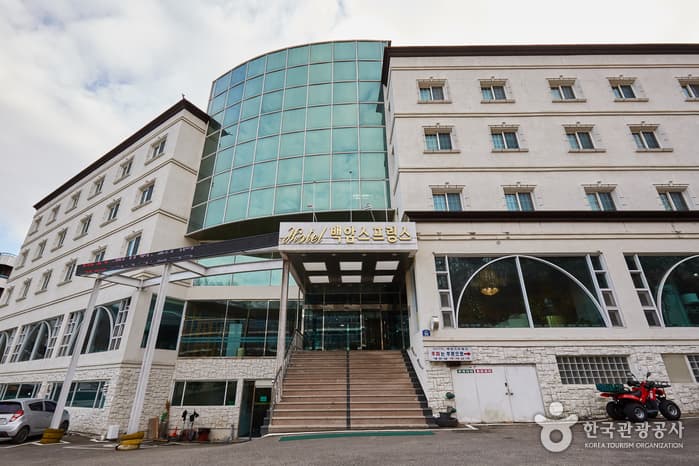
Located in the Baegam Hot Springs Tourist Zone, Baegam Springs Hotel in Uljin-gun, Gyeongsangbuk-do, opened in 1930 as the Baegam Inn, but has since been expanded and developed. The nearby spring emits alkaline water at a temperature of 50 , which has health benefits for bathers. Other local attractions such as Wolsongjeong Pavilion, Manghyangjeong Pavilion, and Seongryu Cave are all 30 minutes away. Behind the hotel rises Baekamsan Mountain, with an excellent hiking course, and nearby is Shinson Valley with its ancient forest - making this a favourite base for walkers and hikers.
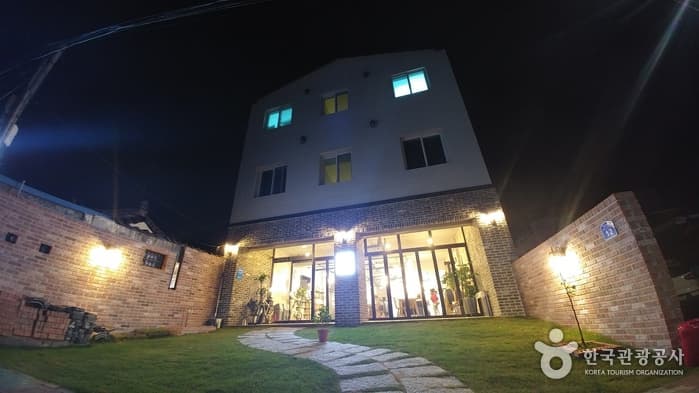
141MINIHOTEL image

141MINIHOTEL

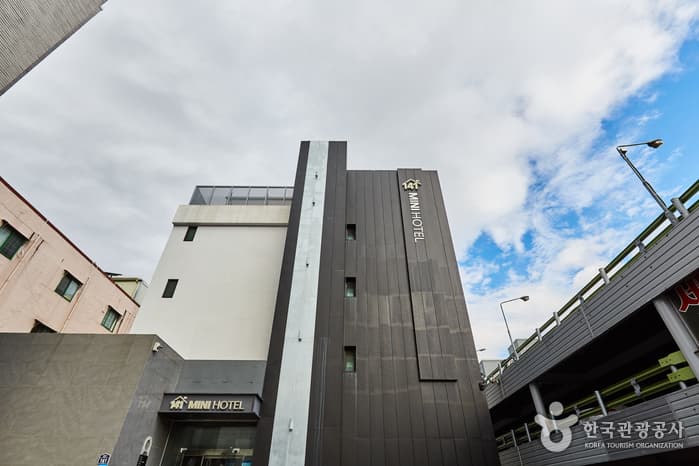
The 141 Mini Hotel is in Gyeongju, Gyeongsangbuk-do - capital of the ancient Silla kingdom and often described as 'a museum without walls'. The hotel caters to both holiday and business travelers, and hotel facilities include a book cafe, gallery, board game room, and business center, so visitors enjoy hotel-level convenience at motel-level prices. Gyeongju Station and Gyeongju Express Bus Terminal are just 5 minutes and 10 minutes away respectively; while tourist sites such as Daereungwon Tomb Complex, Donggung Palace and Wolji Pond, Cheomseongdae, and Bulguksa Temple are all nearby.

ALLEY HOSTEL & GUESTHOUSE image

ALLEY HOSTEL & GUESTHOUSE

The Alley Guest House in central Gyeongju, Gyeongsangbuk-do, is a 3-minute walk from Gyeongju Station, and is popular with hikers. Guestrooms range from single and twin rooms to family rooms and dormitories with bunk beds. There's no parking lot, but parking can be arranged for family room customers. All rooms have AC, a bathroom and shower, and lockable doors. A simple free breakfast and a luggage storage service are provided. Nearby must-see places include Daereungwon, Cheomseongdae, Donggung Palace and Wolji Pond.

An dong gotak Esanru image

An dong gotak Esanru

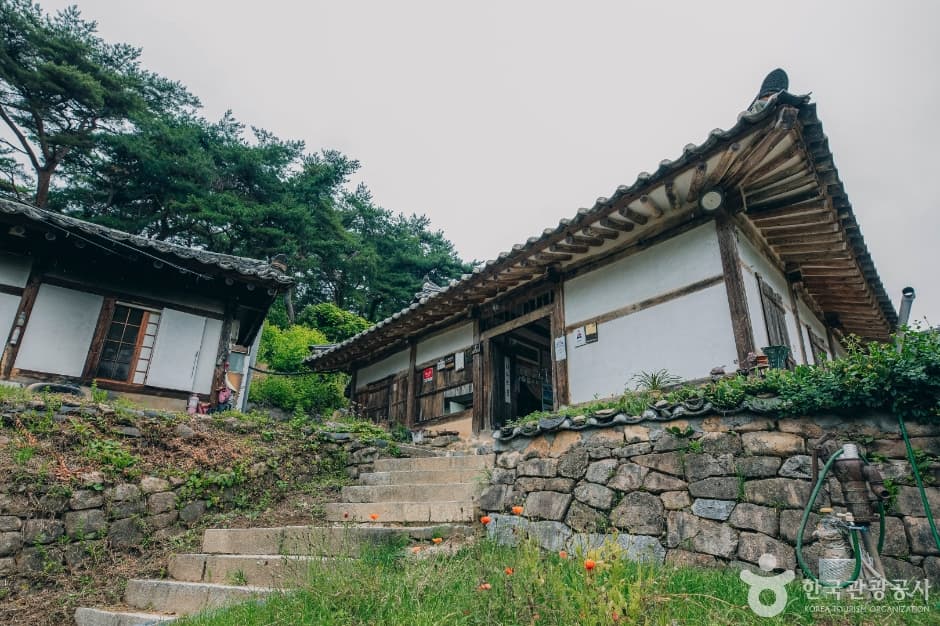
Andong Old House Lee Sangnu stands at the foot of Cheondeungsan Mountain in Andong, Gyeongsangbuk-do. The house has a 250-year history and is still used for family rituals commemorating the founder of the Andong Kim Clan. Lee Sangnu is a dignified two-story wooden pavilion with an attic, while at Yisangru visitors can set a fire in the fire pit in the winter or sleep in a tent or mosquito net in the summer. Cultural programs are available: tea ceremonies, knot craft, the mask dance, natural dyeing, Korean paper craft, and learning about filial piety. The Old House's location between Andong Hahoe Village and Dosan Seowon makes it convenient for local site-seeing.

Andong Gunja Village image

Andong Gunja Village

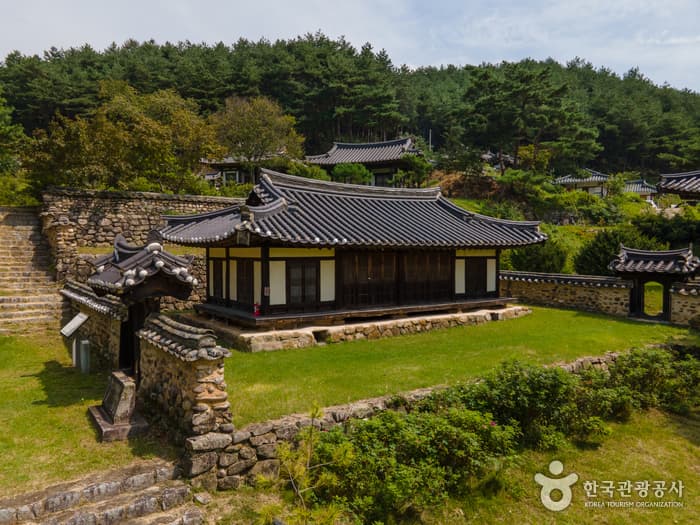
Andong Gunja Village, established 600 years ago, was relocated 2 kilometers from its original site due to submergence during the construction of Andong Dam. The village's tradtional houses and pavilions were meticulously moved to preserve their historic value. Known as Gunja Village, it derives its name from a remark by the Joseon-era civil servant Jeong Gu, who noted, "There is no one in the village who is not a Gunja ". The village is home to over 20 ancient houses, including the Hujodang Head House and Takcheongjeong Pavilion, maintained in their original state. Moreover, the village archives over 1,000 documents detailing adoption, property ownership, and labor distribution.